 Call us today (732) 230-7552
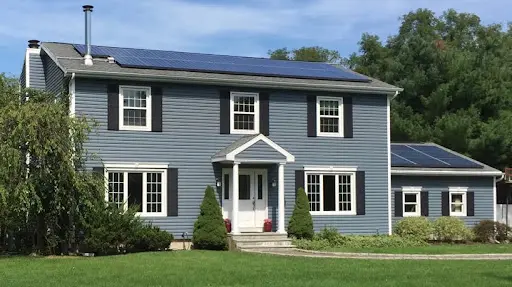
Homeowners often prefer vinyl siding because it is long-lasting, budget-friendly, and requires minimal upkeep. However, over time, siding can fade, crack, or suffer damage from harsh weather conditions. If your home’s exterior is showing signs of wear, replacing the vinyl siding can improve both its appearance and structural integrity. Understanding the cost to replace vinyl siding in 2026 is crucial for budgeting and making informed decisions. This guide covers everything homeowners need to know, including pricing, factors that influence costs, and what to expect during the replacement process.
Factors That Influence the Cost to Replace Vinyl Siding
Several key factors affect the average cost to replace vinyl siding, including:
- Home size and square footage – Larger homes require more materials and labor.
- Type of vinyl siding – Standard vinyl is more affordable than premium or insulated options.
- Labor costs – Professional installation rates vary by region and contractor expertise.
- Old siding removal – Removing and disposing of existing siding adds to the total expense.
- Repairs underneath the siding – If structural damage is found, additional repairs may be necessary.
- Style and customization – Textured or decorative siding panels cost more than basic options.
What Is the Average Cost to Replace Vinyl Siding?
The average cost of replacing vinyl siding in 2026 is expected to range between $26,000 and $38,000 for a typical home. This price varies based on the home’s size, the type of siding selected, and any additional work needed to complete the installation. Homes with intricate designs, multiple stories, or extensive trim will typically cost more due to the complexity of the installation.
Cost to Replace Vinyl Siding on a House by Square Footage
The total cost to replace vinyl siding on house exteriors largely depends on the size of the home. Here’s an estimated cost breakdown based on different home sizes:
- 1,200 sq. ft. home – $15,000 to $23,000
- 1,500 sq. ft. home – $16,500 to $26,000
- 2,000 sq. ft. home – $18,000 to $30,000
- 2,500 sq. ft. home – $20,000 to $35,000
Larger houses need additional supplies and extra work, leading to higher expenses. Additionally, homes with complex layouts or additional architectural details may have higher installation costs.
Cost to Replace Wood Siding with Vinyl
Many homeowners choose to upgrade from wood siding to vinyl due to its lower maintenance requirements. The cost to replace wood siding with vinyl typically falls between $27,000 and $39,000, depending on the amount of wood siding that needs to be removed and the type of vinyl siding being installed. Although the upfront cost may seem high, vinyl siding provides long-term savings by eliminating the need for frequent repainting and repairs.
Vinyl Siding Replacement Cost Per Square Foot
When calculating the vinyl siding replacement cost per square foot, prices generally range from $10 to $15 per square foot. Here’s a breakdown of costs based on different vinyl siding types:
- Standard vinyl siding – $10 to $15 per square foot
- Insulated vinyl siding – $15 to $20 per square foot
- Textured or designer vinyl siding – $12 to $18 per square foot
Homeowners opting for higher-end siding options will pay more upfront but benefit from increased durability, better insulation, and enhanced curb appeal.
Cost to Repair Vinyl Siding
If only a small section of your siding is damaged, repairing a small area may be enough. The cost to repair vinyl siding typically ranges from $500 to $1,500 depending on how many panels need to be replaced, including labor. This is a cost-effective solution for minor repairs, but if many panels are damaged, a full siding replacement may be the better long-term investment.
Price to Redo Vinyl Siding
If your vinyl siding is outdated or significantly damaged, you may want to completely replace it. The cost to redo vinyl siding depends on the type of siding chosen and the complexity of the job. In 2026, homeowners can expect to pay between $27,000 and $39,000 for a complete vinyl siding overhaul. Upgrading to a more durable or insulated siding can add value to your home and improve energy efficiency.
Price to Replace Vinyl Siding Corners
Vinyl siding corners are specially designed pieces that help protect the edges of your home. The cost to replace vinyl siding corner sections varies based on the style and type of material used. On average, homeowners can expect to pay $500 to $1,000 depending on what is needed. If multiple corners are damaged or require replacement, this cost can add up quickly.
Hiring the Right Contractor for Your Vinyl Siding Replacement
Since vinyl siding replacement is a significant investment, choosing a reputable siding contractor is crucial. Look for contractors with:
- Experience in siding installation – At least 10 – 15 years in the industry.
- Positive customer reviews – Check online testimonials and ratings.
- Licensed and insured services – Ensure they meet state and local requirements.
- Warranty options – A good contractor offers long-term warranties on both labor and materials.
Getting multiple quotes from different contractors can help you find the best balance between price and quality.
FAQs
How much does it cost to replace vinyl siding in New Jersey?
For a typical New Jersey home, this page estimates vinyl siding replacement at $10,000 to $32,000. The final price depends on exterior wall area, siding grade, home height, trim details, removal, disposal, and repairs discovered beneath the existing panels.
How is vinyl siding replacement cost calculated?
Contractors measure the exterior wall surface, then add material waste, labor, trim, accessories, removal, disposal, and any sheathing or moisture repairs. Interior living space alone is not an accurate siding measurement because rooflines, windows, doors, gables, and multiple stories change the installable area.
Should I repair or replace damaged vinyl siding?
Repair is usually appropriate when damage is limited to a few panels and the wall beneath remains dry and sound. Replacement becomes more practical when cracking, warping, fading, loose sections, repeated leaks, or widespread storm damage affect several elevations of the home.
Should old siding be removed before new vinyl siding is installed?
Removing old siding is usually the safer approach when panels are uneven or when moisture, rot, mold, pests, or damaged sheathing may be hidden underneath. Installing over sound existing material can sometimes work, but the wall must remain flat, properly flashed, and able to drain moisture.
Do I need a permit to replace vinyl siding in New Jersey?
For existing one or two-family homes in New Jersey, repairing or replacing vinyl siding is generally ordinary maintenance and does not require a construction permit. Polypropylene siding is an exception. Structural repairs or separate municipal approvals may still apply, so confirm locally before work begins.
Can vinyl siding be installed during a New Jersey winter?
Vinyl siding can be installed during winter when the work area is safe and dry. Because panels expand and contract, installers must provide extra clearance in temperatures below 40°F. Snow, ice, strong wind, or extreme cold can delay the project and complicate proper fastening.
Does homeowners insurance cover vinyl siding replacement?
Homeowners insurance may cover siding replacement when damage results from a covered sudden event, such as wind, hail, or fire. It generally does not pay for fading, age, neglected maintenance, or gradual deterioration. Standard homeowners policies also usually exclude flood damage, so review your policy.
How long does vinyl siding last in New Jersey?
Vinyl siding commonly lasts about 30 to 40 years, although product quality, installation, maintenance, and exposure can shorten or extend that range. In New Jersey, coastal wind, salt air, strong sun, storms, and repeated freezing and thawing make regular inspections especially important.
Does replacing vinyl siding increase home value?
Yes. New vinyl siding can improve curb appeal and buyer confidence. The 2025 Cost vs. Value report estimated 96.3 percent cost recouped for vinyl siding in the Middle Atlantic region, but actual resale return varies by neighborhood, project scope, material quality, and market conditions.
Final Thoughts on Vinyl Siding Replacement Costs
Investing in new vinyl siding is one of the best ways to enhance your home’s appearance, improve energy efficiency, and protect against the elements. While the cost to replace vinyl siding varies based on factors like home size, siding type, and labor, understanding these costs helps homeowners plan and budget effectively.
For expert vinyl siding replacement services with high-quality materials and professional craftsmanship, Home Makeover LLC, the award-winning exterior home remodeling company, is the go-to choice for homeowners looking for excellent results.

About the Author: Jeffrey W. Nero
Jeffrey W. Nero is a home improvement expert with over 20 years of experience serving homeowners in New Jersey. As the owner of Home Makeover™, Jeff combines quality craftsmanship with a deep understanding of local needs. From roofing and siding to deck remodels, Jeff has helped thousands of homeowners bring their visions to life. His commitment to excellence and customer satisfaction makes him a trusted partner in transforming homes across Central NJ.