Call us today (732) 230-7552

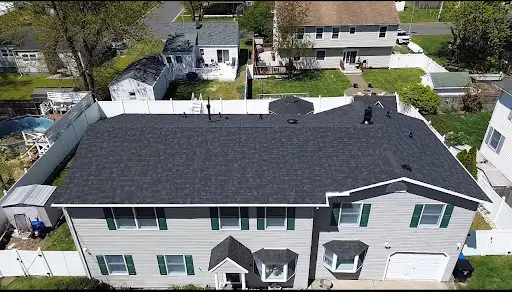
Selecting the right siding is one of the biggest choices a homeowner will ever make for their property. Your siding affects curb appeal, energy efficiency, maintenance costs, and long-term durability. With so many types of vinyl siding available today, it is easy to feel overwhelmed.
This guide breaks everything down in simple terms. By the end, you will understand:
- The different types of vinyl siding
- Which styles work best for specific homes and climates
- Common mistakes homeowners make
- How to choose the best vinyl siding for long-term value
If you are comparing types of vinyl siding for houses or planning a full replacement, this guide is designed to give you clarity and confidence.
Why Vinyl Siding Is So Popular for Homes?
Before exploring the different kinds of vinyl siding, it helps to understand why vinyl remains one of the most widely used exterior materials.
Key reasons homeowners choose vinyl siding:
- Affordable compared to wood or fiber cement
- Resistant to rot, termites, and moisture
- Requires minimal maintenance
- Available in many colors, textures, and profiles
- Designed to last decades when installed correctly
Modern manufacturing has significantly improved the quality, thickness, and appearance of vinyl, making today’s types of vinyl siding for homes more durable and realistic than ever before.
Understanding Vinyl Siding Profiles and Styles
When people search for types of vinyl siding, they are often referring to two main things:
- Siding profile or shape
- Thickness and performance level
Both matter equally when choosing siding for your house.
1. Clapboard Vinyl Siding (Also Called Horizontal Siding)
Clapboard siding is the most common and widely recognized option among all types of vinyl siding for houses.
What it looks like:
- Long horizontal panels
- Slight overlap between boards
- Clean, traditional appearance
Why homeowners choose it:
- Works with nearly all home styles
- Easy to install and repair
- Budget friendly
Best for:
- Traditional homes
- Colonial and ranch-style houses
- Homeowners seeking a timeless look
Clapboard siding is often the first option homeowners consider when exploring different types of vinyl siding for houses because of its versatility.
2. Dutch Lap Vinyl Siding
Dutch lap siding is similar to clapboard but adds more visual depth.
Key features:
- Decorative groove along the top edge
- More shadow lines for texture
- Slightly more detailed appearance
Pros:
- Adds curb appeal without high cost
- Still easy to maintain
- Popular in suburban neighborhoods
Ideal for:
- Homeowners who want subtle design upgrades
- Traditional or transitional homes
Among the kinds of vinyl siding, Dutch lap is a favorite for homeowners who want something more interesting than flat panels.
3. Beaded Vinyl Siding
Beaded vinyl siding includes a small rounded bead at the bottom of each panel.
Why it stands out:
- Elegant, historic appearance
- Mimics early American architecture
- Adds character without heavy ornamentation
Best uses:
- Historic style homes
- Colonial and Georgian architecture
- Homes where detail matters
This is one of the different kinds of vinyl siding that balances tradition and modern durability.
4. Vertical Vinyl Siding (Board and Batten Style)
Vertical siding is becoming increasingly popular for modern homes.
Key characteristics:
- Panels run vertically instead of horizontally
- Clean lines and bold appearance
- Often used as an accent or full exterior
Advantages:
- Helps homes appear taller
- Excellent water drainage
- Strong modern farmhouse appeal
Best for:
- Modern and farmhouse homes
- Accent walls and gables
- Homeowners wanting a unique exterior
Vertical siding has quickly become one of the most requested types of vinyl siding for homes in recent years.
5. Board and Batten Vinyl Siding
Board and batten is a specific type of vertical siding known for its bold pattern.
Design features:
- Wide vertical boards
- Narrow battens covering seams
- Strong architectural presence
Why homeowners love it:
- Eye-catching and upscale appearance
- Works well on entire homes or accents
- Pairs well with stone or brick
This style stands out among different types of vinyl siding for homeowners looking to boost curb appeal.
6. Shake and Shingle Vinyl Siding
Shake and shingle vinyl siding replicates the look of cedar without the maintenance.
Available styles:
- Cedar shake
- Hand-split shake
- Straight edge shingles
- Staggered shingles
Benefits:
- Natural wood appearance
- No staining or sealing required
- Resistant to moisture and insects
Best applications:
- Gables and dormers
- Cape Cod and coastal homes
- Accent sections for visual contrast
Among all types of vinyl siding, shakes and shingles provide the most texture.
7. Insulated Vinyl Siding
Insulated vinyl siding is designed with built-in rigid foam backing.
Why insulation matters:
- Improves energy efficiency
- Reduces air infiltration
- Strengthens siding against impacts
Advantages:
- Lower heating and cooling costs
- Increased comfort year-round
- Enhanced sound reduction
For homeowners comparing types of vinyl siding for houses based on performance, insulated siding often ranks at the top.
8. Smooth vs Wood-Grain Vinyl Siding
Texture plays a big role in how siding looks from the street.
Smooth vinyl siding:
- Clean, modern appearance
- Reflects light evenly
- Easy to clean
Wood-grain vinyl siding:
- Mimics real wood texture
- Hides small imperfections
- Adds warmth and realism
Choosing between textures is an important step when comparing different types of vinyl siding for homes.
9. Thin vs Thick Vinyl Siding Panels
Not all vinyl siding is created equal. Thickness affects durability.
Thinner siding:
- Lower upfront cost
- More prone to cracking
- Less impact resistance
Thicker siding:
- Stronger and longer-lasting
- Better wind resistance
- Improved insulation performance
When homeowners regret siding decisions, panel thickness is often the reason.
Types of Vinyl Siding Based on Home Style
Choosing siding is not just about material. It should match your home’s architecture.
Best vinyl siding types by home style:
- Traditional homes: Clapboard, Dutch lap
- Modern homes: Vertical siding, smooth panels
- Farmhouse homes: Board and batten
- Coastal homes: Shake and shingle
- Historic homes: Beaded siding
Matching the right types of vinyl siding for houses to the architectural style improves resale value.
Types of Vinyl Siding Based on Climate
Climate plays a major role in siding performance.
Cold climates:
- Insulated vinyl siding
- Thicker panels for impact resistance
Hot climates:
- UV-resistant vinyl
- Lighter colors to reduce heat absorption
Humid or rainy areas:
- Vertical siding for drainage
- Mold-resistant finishes
Choosing the right siding for the climate prevents premature damage.
Common Mistakes Homeowners Make When Choosing Vinyl Siding
Avoid these costly mistakes when selecting from the different types of vinyl siding:
- Choosing based on price alone
- Ignoring the insulation value
- Picking trendy styles that do not fit the home
- Overlooking panel thickness
- Hiring inexperienced installers
Even the best vinyl siding can fail if installed incorrectly.
How to Find the Perfect Vinyl Siding Option for Your Home?
Follow this easy checklist to quickly shortlist the right options.
Ask yourself:
- What is my home’s architectural style?
- What climate conditions does my home face?
- Do I want low maintenance or maximum insulation?
- Is curb appeal or durability more important?
- What is my long-term budget?
Answering these questions makes choosing among the kinds of vinyl siding much easier.
Vinyl Siding Colors and Design Trends
Modern vinyl siding is no longer limited to basic colors.
Popular current trends:
- Neutral earth tones
- Soft grays and warm beiges
- Dark accents paired with light trim
- Mixed siding styles for depth
Color selection enhances the impact of even simple types of vinyl siding for homes.
How Long Does Vinyl Siding Last?
With proper installation and care:
- Standard vinyl siding lasts 20 to 30 years
- Insulated and premium siding can last 40 years or more
Routine inspections and proper installation matter more than the brand itself.
FAQs
What are the different types of vinyl siding?
Common vinyl siding styles include traditional clapboard, Dutch lap, beaded siding, board and batten, vertical panels, cedar shake, shingle profiles, smooth panels, wood grain textures, and insulated vinyl. The right profile depends mainly on architecture, budget, durability goals, and desired curb appeal.
What is the difference between Dutch lap and clapboard vinyl siding?
Both are horizontal siding profiles. Clapboard has a flatter face that creates clean, traditional lines. Dutch lap includes a concave groove near the top of each course, producing deeper shadow lines and more visual dimension. Their durability is similar when product quality and installation are comparable.
What thickness of vinyl siding is best?
For many homes, vinyl between .042 and .046 inches provides a strong balance of rigidity, appearance, durability, and cost. Thicker panels generally feel more substantial, but thickness alone does not determine quality. Wind rating, locking design, material formulation, wall preparation, and installation also matter.
Is insulated vinyl siding worth it?
Insulated vinyl can be worthwhile when you want greater panel rigidity, reduced thermal bridging, modest additional insulation, and improved comfort. It costs more than standard vinyl, so energy savings alone may not justify the upgrade. Existing wall insulation and air sealing should also be considered.
Is board and batten vinyl siding better than horizontal siding?
Neither is universally better. Board and batten creates a taller, more contemporary or farmhouse appearance, while horizontal clapboard provides a traditional look suited to many New Jersey homes. Homeowner discussions also show that mixing profiles on gables or architectural sections is increasingly common.
How long does vinyl siding last?
Vinyl siding commonly lasts around 20 to 40 years, although lifespan varies with panel quality, installation, maintenance, sunlight, wind, and temperature exposure. New Jersey freeze cycles, summer heat, coastal moisture, and storms can shorten service life if siding is poorly installed or inadequately maintained.
Does dark vinyl siding fade or warp faster?
Dark vinyl absorbs more solar heat than lighter siding, making heat-related distortion and visible fading more important considerations. Modern siding designed for darker colors can perform well, but homeowners should confirm manufacturer heat and fade specifications instead of assuming every vinyl product supports very dark colors.
What type of vinyl siding is best for New Jersey weather?
Premium vinyl with appropriate thickness, wind resistance, UV stability, and correct installation generally performs well in New Jersey. Insulated vinyl can provide additional rigidity and thermal performance. Product specifications and installation quality are especially important because New Jersey experiences humidity, freezing temperatures, storms, and repeated seasonal expansion.
Do I need a permit to replace vinyl siding in New Jersey?
Generally, no. New Jersey classifies repair or replacement of existing vinyl siding on one and two family dwellings as ordinary maintenance. Polypropylene siding is an exception. Historic properties may still require municipal Historic Preservation Commission approval even when a construction permit is not required.
Final Thoughts: Which Type of Vinyl Siding Is Best?
No single choice is ideal for all homes. The best choice depends on:
- Home style
- Climate
- Budget
- Performance expectations
Understanding the types of vinyl siding, comparing features, and avoiding common mistakes ensures your investment pays off long-term.
For homeowners planning vinyl siding replacement and looking for expert guidance, Home Makeover LLC is a trusted choice for professional vinyl siding replacement services.

About the Author: Jeffrey W. Nero
Jeffrey W. Nero is a home improvement expert with over 20 years of experience serving homeowners in New Jersey. As the owner of Home Makeover™, Jeff combines quality craftsmanship with a deep understanding of local needs. From roofing and siding to deck remodels, Jeff has helped thousands of homeowners bring their visions to life. His commitment to excellence and customer satisfaction makes him a trusted partner in transforming homes across Central NJ.