 Call us today (732) 230-7552
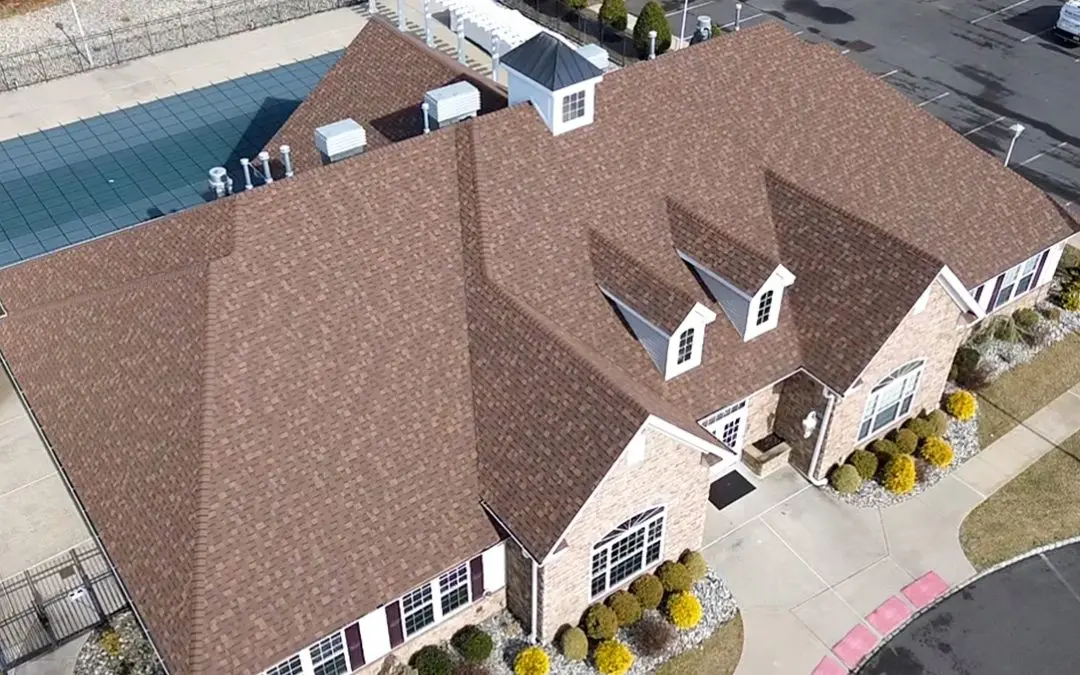
Your roof serves as a quiet protector, defending your home from wind, rain, intense heat, and snow. However, no roof is built to last forever. Failing to notice the signs of roof damage can lead to expensive repairs, structural issues, and even unsafe living conditions. The key is spotting the early warnings before things spiral out of control.
How can you tell when it’s time for a full roof replacement instead of a simple repair? In this guide, we’ll walk you through how to know when to replace a roof and the 9 red flags that you should never ignore.
1. Your Roof Has Been in Place for More Than 20 Years
Roofs have a shelf life. For asphalt shingles, that’s usually 20–25 years. Other materials like metal or tile may last longer, but even those degrade over time. If your roof is pushing two decades and you’ve never replaced it, it’s a good time to start planning.
Why it matters:
Materials break down, sealants wear off, and older roofs often don’t meet current building standards.
2. Shingles Are Curling, Cracking, or Missing
Take a good look at your shingles. Are they curling up at the edges? Do you notice cracked or brittle pieces? What about spots where shingles are just plain missing?
What it means:
These are strong indicators that your shingles have lost their effectiveness and can’t protect your home properly. It’s a sign the roof is at the end of its useful life.
3. Granules in the Gutters
Check your gutters. If you find them filled with black sand-like particles, that’s shingle granule loss. These granules help shield shingles from sun damage and harsh weather conditions.
Why it matters:
When shingles lose their protective coating, they break down more quickly, leaving your roof at greater risk for water damage.
4. Water Marks or Drips on the Ceiling or in the Attic
If you spot water stains on your ceiling or walls – or worse, active dripping – your roof is not doing its job.
What to look for:
- Discolored patches on ceilings or walls
- A musty smell in the attic
- Damp insulation or visible mold growth
Leaks don’t fix themselves, and a few minor spots can quickly become widespread damage.
5. Sagging Roof Deck
A sagging roofline isn’t just unattractive – it’s dangerous. It could indicate structural issues with your roof decking or supports, often caused by water damage or rot.
How to check:
Stand back from your home and look at the lines of the roof. They should be straight and level. Any dip or curve is a serious warning.
6. Daylight Visible Through Roof Boards
Go up into your attic during the day. If you see sunlight shining through the roof boards, it means there are gaps or holes in the structure.
Why it matters:
If light can get in, so can water, cold air, pests, and moisture. This clearly indicates that your roof’s structure is weakened.
7. Mold, Moss, or Algae Growth
While not always an emergency, the presence of moss, algae, or mold indicates moisture problems on your roof. As time passes, this can cause shingles to lift, letting water seep through.
Solution tip:
If caught early, some of this can be cleaned. But if the growth is widespread or recurring, a full roof replacement may be the only long-term fix.
8. Rising Energy Bills
Have you observed an increase in your energy bills for heating or cooling? A failing roof may be to blame. Poor insulation, ventilation problems, and air leaks can all cause your HVAC system to work harder.
What this means:
Replacing your roof could actually save you money over time by improving your home’s energy efficiency.
9. Neighbors Are Replacing Their Roofs
If many homes in your neighborhood were built around the same time, and you notice others getting new roofs, it might be your turn soon too.
Why this matters:
Roof lifespan is often consistent in similar construction areas. If your neighbors are dealing with wear and tear, chances are you’re not far behind.
Bonus Tip: Don’t Wait for a Leak to Act
Many homeowners delay roof replacement until water is actively pouring in. But by then, damage may have already spread to the attic, walls, and foundation. Addressing roof issues early on allows you to:
- Avoid costly interior repairs
- Protect the value of your home
- Increase energy efficiency
- Maintain curb appeal
FAQs
How do you know when a roof needs to be replaced?
A roof may need replacement when shingles show widespread curling, cracking, granule loss, exposed fiberglass, recurring leaks, soft decking, or sagging. Age matters, but condition matters more. Multiple problems across different roof sections usually indicate system-wide deterioration rather than an isolated repair.
Should I replace my roof if it is not leaking?
Not necessarily, but you should not wait for a leak if the roof is already near the end of its useful life. Aging shingles, widespread granule loss, brittle materials, damaged flashing, or deteriorated decking can exist before water becomes visible inside the home.
Is it better to repair or replace an old roof?
Repair usually makes sense when damage is limited to one area and the remaining roof is sound. Replacement becomes more practical when deterioration affects several areas, leaks keep returning, shingles are brittle, decking is compromised, or the roof is approaching the end of its expected lifespan.
How long does an asphalt shingle roof last in New Jersey?
In New Jersey conditions, basic three-tab asphalt shingles commonly last about fifteen to twenty years, while architectural shingles may reach roughly twenty two to thirty years. Installation quality, attic ventilation, sun exposure, storms, snow, humidity, and maintenance can significantly shorten or extend actual service life.
Does granule loss mean I need a new roof?
Some granule loss is normal, especially on newer shingles, but heavy or widespread loss on an aging roof can indicate deterioration. If shingles are exposing fiberglass, becoming brittle, cracking, or losing granules across several slopes, homeowners should schedule an inspection to determine remaining roof life.
How can I tell how old my roof is if I do not know when it was replaced?
Check home purchase documents, seller disclosures, previous roofing invoices, warranty paperwork, municipal records, or HOA records where applicable. Historical aerial imagery may also help estimate when roofing changed. If records are unavailable, a qualified roof inspection can estimate age from material condition and wear.
What is the best time of year to replace a roof in New Jersey?
Late spring through fall generally provides favorable conditions for New Jersey roof replacement, with fall often offering moderate temperatures for asphalt shingles. Winter installation is possible, but cold temperatures can affect handling and sealing. An actively leaking or structurally unsafe roof should not wait for an ideal season.
Do I need a permit to replace my roof in New Jersey?
For detached one- and two-family homes, replacing the roof covering is generally classified as ordinary maintenance under New Jersey rules. However, replacing damaged roof sheathing can trigger a Minor Work permit requirement. Homeowners should confirm project scope with their municipal construction office before work begins.
Will homeowners insurance pay for a roof replacement in New Jersey?
Insurance may cover roof damage caused by a covered event such as wind, hail, fire, or a fallen tree, subject to your policy and deductible. Normal aging, deterioration, and deferred maintenance generally are not covered. Document storm damage and contact your insurer before permanent repairs begin.
How to Know When to Replace a Roof? Trust the Signs
Understanding how to know when to replace a roof is all about staying alert. Inspect for worn-out materials, water damage, and any structural concerns. If you notice any combination of the red flags above, it’s better to replace early than to risk serious damage later.
Whether you need a roof inspection, expert advice, or a full roof replacement, Home Makeover is the trusted exterior home remodeling company to call. They offer honest assessments, quality workmanship, and long-lasting roofing solutions that give you peace of mind.

About the Author: Jeffrey W. Nero
Jeffrey W. Nero is a home improvement expert with over 20 years of experience serving homeowners in New Jersey. As the owner of Home Makeover™, Jeff combines quality craftsmanship with a deep understanding of local needs. From roofing and siding to deck remodels, Jeff has helped thousands of homeowners bring their visions to life. His commitment to excellence and customer satisfaction makes him a trusted partner in transforming homes across Central NJ.