Call us today (732) 230-7552
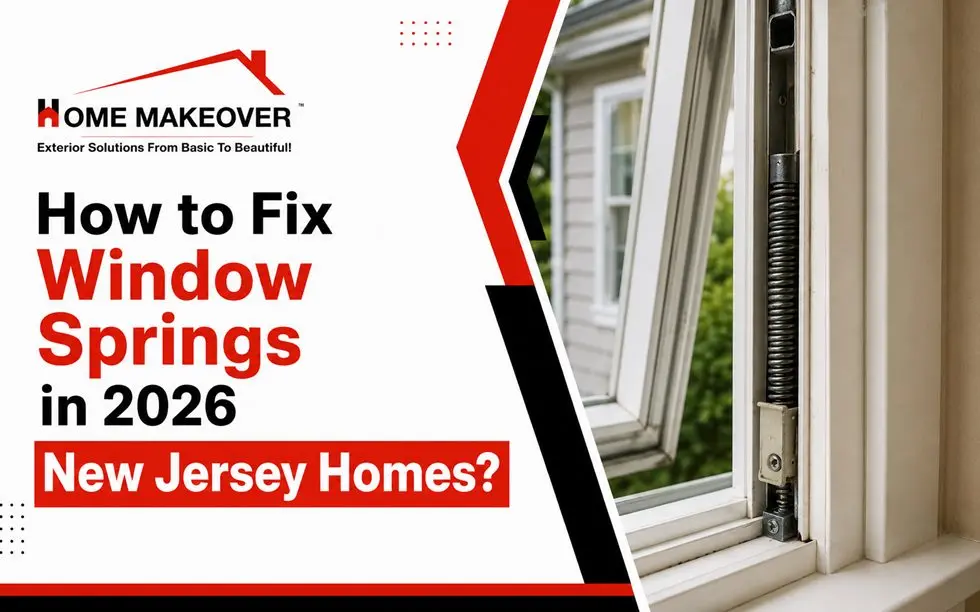
Windows should open smoothly and stay in place. But many homeowners across New Jersey deal with windows that slam shut, refuse to stay open, or become difficult to open. In most cases, the problem comes from damaged or worn window springs.
If you are searching for how to fix Window Springs, this guide explains the real causes, warning signs, repair steps, and prevention tips in simple language. Whether you own an older home in Monmouth County or a newer property near the Jersey Shore, this article will help you understand what is happening with your windows and what to do next.
Why Window Springs Fail in New Jersey Homes?
Window springs work hard every day. They support the sash weight and help windows open and close evenly. Over time, moisture, salt air, dirt, and repeated use wear them down.
New Jersey homeowners often notice problems after:
- Cold winters
- Humid summers
- Coastal moisture exposure
- Poor window maintenance
- Aging vinyl windows
- Storm-related swelling and shifting
When springs weaken, the window may suddenly become unsafe or difficult to use.
Common Signs of a Bad Window Spring
Watch for these signs before the problem gets worse:
- The window will not stay open
- The window drops suddenly
- Sash feels heavy
- Uneven window movement
- Clicking or grinding noises
- The window gets stuck halfway
- Drafts around the frame
Many homeowners ignore these issues at first. But delaying repairs can damage the window balance system and increase repair costs later.
A fast inspection can help identify spring damage before the entire window system fails.
Understanding How Window Springs Work
Most double hung and vinyl windows use spring balance systems hidden inside the side tracks. These springs create tension that supports the sash weight.
When the spring loses tension or breaks, the window loses balance.
Modern homes in New Jersey commonly use:
- Spiral balance springs
- Block and tackle balances
- Constant force balance systems
Each type repairs differently, so identifying the correct system matters.
How to Fix Window Springs Safely?
Before starting, gather these tools:
- Flathead screwdriver
- Putty knife
- Pliers
- Tape measure
- Safety gloves
- Replacement balance or spring
Safety matters because window springs hold tension. Improper removal can damage the frame or cause injury.
Step 1: Remove the Window Sash
Unlock the window and slowly raise it a few inches.
Tilt the sash inward carefully and lift it free from the frame. Place it on a stable surface.
This gives access to the balance channels inside the window frame.
Step 2: Inspect the Spring System
Look closely for:
- Broken coils
- Loose tension
- Rust buildup
- Bent balance channels
- Detached clips
In many New Jersey homes, coastal moisture causes rust that weakens the metal components faster than expected.
This is also the stage where homeowners researching how to repair window springs usually realize whether the spring can be repaired or fully replaced.
Professional inspections can save homeowners from damaging expensive vinyl frames during repairs.
Step 3: Remove the Damaged Spring
Most systems attach with clips or screws near the top of the frame.
Carefully release the tension and remove the damaged part slowly. Never force the spring out aggressively because it can damage surrounding hardware.
Homeowners searching for how to replace window springs often skip this safety step and accidentally bend the balance channel.
Step 4: Install the New Spring
Match the replacement spring to:
- Window size
- Sash weight
- Balance type
- Manufacturer specifications
Improper sizing can make the window harder to operate.
Secure the new spring in place and ensure the tension feels even on both sides.
Step 5: Reinstall and Test the Window
Place the sash back into the frame carefully.
Open and close the window several times. It should move smoothly and stay open without slipping down.
If the sash still drops, the balance tension may need adjustment.
Why Double-Hung Windows Have Spring Problems?
Double hung windows are popular across New Jersey because they improve airflow and are easy to clean. But they also experience more spring wear due to frequent movement.
Homeowners often search for:
- How to fix broken window springs
- How to fix a broken spring in a window
- How to fix double hung window springs
- How to fix the spring in double-hung windows
The biggest issue comes from uneven sash pressure. When one side wears faster than the other, the window becomes crooked and difficult to lock properly.
Older homes in Monmouth County commonly experience this after years of seasonal expansion and contraction.
Signs You Should Replace Instead of Repair
Sometimes repairing the spring alone is not enough.
You may need a full window replacement if:
- The frame is warped
- Moisture exists between panes
- Multiple springs failed
- Vinyl tracks are cracked
- Locks no longer align
- The window leaks air heavily
Newer energy-efficient windows can lower heating and cooling costs while improving comfort during New Jersey winters and humid summers.
A quick evaluation helps determine whether repair or replacement makes more financial sense.
Fixing Vinyl Window Spring Problems
Vinyl windows are common because they are affordable and low-maintenance. But poor installation, heat expansion, and aging hardware can create balance problems over time.
Many homeowners specifically search for:
- How to fix a vinyl window spring
- How to repair vinyl window springs
Vinyl frames require extra care because excessive force can crack or bend the material.
When working on vinyl windows:
- Avoid metal pry bars
- Use gentle pressure
- Inspect welded corners
- Check for track warping
- Clean debris before reinstalling parts
A damaged vinyl frame can turn a small repair into a costly replacement project.
Why DIY Repairs Sometimes Fail?
Many online tutorials oversimplify window spring repairs.
Common DIY mistakes include:
- Buying the wrong balance size
- Installing uneven spring tension
- Damaging sash clips
- Forgetting moisture protection
- Ignoring hidden frame damage
This is especially common in coastal New Jersey towns where corrosion affects hidden hardware inside the frame.
A temporary fix may only last a few weeks if the root issue is not addressed properly.
Preventing Future Window Spring Damage
Simple maintenance can help extend the window spring’s life.
Clean Window Tracks Regularly
Dust and dirt create friction that strains the spring system.
Vacuum debris and wipe tracks with a damp cloth every few months.
Lubricate Moving Parts
Use a silicone-based lubricant lightly on the balance tracks.
Avoid thick grease because it attracts dirt buildup.
Watch for Moisture
Condensation and water leaks accelerate rust formation.
Inspect windows after storms or heavy rain.
Avoid Slamming Windows
Forceful closing weakens spring tension over time.
Teach children to close windows gently.
Preventive maintenance costs far less than replacing damaged windows later.
Are Window Spring Repairs Worth It in 2026?
In many cases, yes.
Repairing a spring is usually far more affordable than replacing an entire window unit. If the glass, frame, and insulation remain in good condition, a spring repair can restore smooth operation quickly.
However, homeowners with older windows may benefit more from replacement if energy loss and drafts are already affecting utility bills.
In 2026, many New Jersey homeowners are upgrading windows to improve:
- Indoor comfort
- Energy efficiency
- Home value
- Noise reduction
- Storm protection
The right choice depends on the overall condition of the window system.
FAQs
Why won’t my window stay up?
A window that slides down after opening usually has a worn, broken, or disconnected window balance. The balance counteracts the weight of the sash. Broken pivot bars or balance shoes can cause similar symptoms, especially when only one side of the sash drops.
How do I know if my window balance is broken?
Common signs include a sash that falls after opening, feels unusually heavy, rises unevenly, gets stuck, or makes snapping or grinding sounds. Visible damage may include a disconnected cord, broken spring, cracked balance tube, damaged shoe, or detached pivot bar.
Can a window balance be repaired or does it need to be replaced?
Some spiral balances can be adjusted or retensioned when the spring is still intact. A broken spring, snapped cord, damaged pulley, or failed constant force balance normally requires replacement. The correct repair depends on the balance design and condition of its related hardware.
Should I replace both window balances if only one is broken?
Usually, yes. Both balances have typically completed a similar number of operating cycles. Installing one new balance beside an older weakened balance can create uneven tension, causing the sash to tilt, bind, or place extra load on the new component.
Are window balances universal?
No. Replacement balances must match the balance type, length, mounting configuration, and sash weight. Spiral, channel, block and tackle, and constant force balances are not interchangeable simply because they fit similar windows. Incorrect sizing can make the sash fall, rise unexpectedly, or become difficult to operate.
What causes window balances to fail?
Window balances wear from repeated opening cycles, age, excessive sash weight, incorrect installation, dirt, humidity, and temperature changes. In New Jersey, humid summers, freezing winters, and coastal salt exposure can accelerate corrosion and wear on springs, cords, shoes, and other metal hardware.
Is it dangerous to use a window with a broken balance?
Yes. A failed balance can allow a heavy sash to drop suddenly, creating a risk of injured fingers, damaged glass, or additional hardware failure. The problem is especially important for bedroom windows that may also need to remain safely operable for emergency escape.
Can I lubricate a window that will not stay open?
Lubrication may help a window that sticks because of dirty or dry tracks, but it will not restore a broken spring or failed balance. If the sash drops after you release it, inspect the balance system instead of treating the problem only with lubricant.
How long do window balances typically last?
There is no fixed lifespan because usage, hardware quality, sash weight, installation, and exposure conditions vary. Industry repair sources commonly place many balances around the 10 to 20 year range. Coastal moisture, heavy use, dirt, and temperature cycling can shorten service life.
Final Thoughts on How to Fix Window Springs
Learning how to Fix Window Springs can help homeowners solve one of the most frustrating window problems before it becomes expensive. A properly balanced window improves safety, comfort, and daily usability.
The key is identifying damage early, using the correct replacement parts, and avoiding rushed repairs that create bigger issues later.
If your windows are old, damaged, drafty, or difficult to repair, contact Home Makeover LLC for professional window replacement services in New Jersey.

About the Author: Jeffrey W. Nero
Jeffrey W. Nero is a home improvement expert with over 20 years of experience serving homeowners in New Jersey. As the owner of Home Makeover™, Jeff combines quality craftsmanship with a deep understanding of local needs. From roofing and siding to deck remodels, Jeff has helped thousands of homeowners bring their visions to life. His commitment to excellence and customer satisfaction makes him a trusted partner in transforming homes across Central NJ.