 Call us today (732) 230-7552
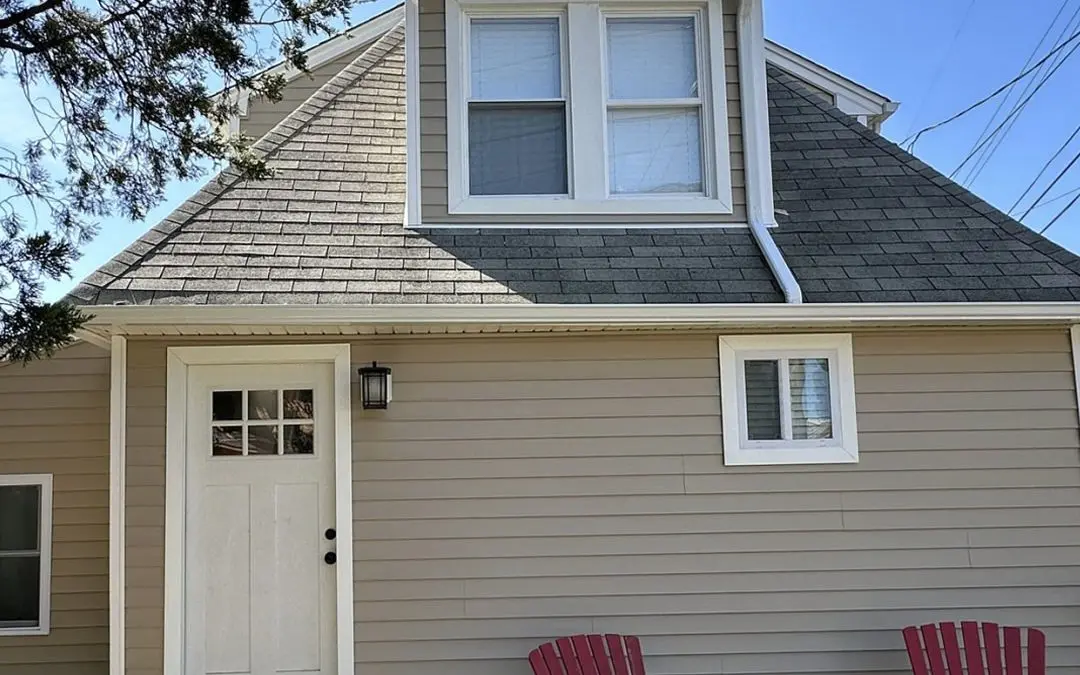
Homeowners often choose vinyl siding because it’s long-lasting, easy to care for, and budget-friendly. However, over time, even vinyl siding can fade, discolor, or look outdated. One of the easiest ways to refresh your home’s exterior is to paint vinyl siding.
Many homeowners hesitate because they’re unsure if vinyl siding can be painted safely or how to do it without damage. This guide will take you step by step through the process of painting vinyl siding, ensuring professional-looking results while protecting your home.
Why Paint Vinyl Siding?
Before diving into the steps, it’s important to understand why painting vinyl siding can be a smart choice:
- Refresh the look – Change the color of your home without replacing siding.
- Boost curb appeal – A freshly painted exterior makes your house look well-maintained.
- Extend lifespan – Protects vinyl from sun damage and fading over time.
- Budget-friendly – Cheaper than installing new siding while achieving a fresh appearance.
With the right techniques and materials, painting vinyl siding can deliver long-lasting, attractive results.
Step 1: Choose the Right Paint
Not all paints are suitable for vinyl siding. To ensure durability and prevent peeling or cracking, choose a high-quality acrylic latex paint.
- Opt for exterior-grade paint – Designed to withstand sun, rain, and temperature changes.
- Light colors are recommended – Vinyl siding can warp if exposed to extreme heat, and light colors reflect sunlight better.
- Check manufacturer guidelines – Some vinyl siding brands provide recommendations or restrictions for painting.
Step 2: Gather Tools and Materials
Having the right tools will make painting easier and produce better results. Here’s what you’ll need:
- Acrylic latex exterior paint
- Primer suitable for vinyl (optional, depending on siding condition)
- Paint sprayer, roller, or high-quality brushes
- Pressure washer or garden hose with a nozzle
- Mild detergent and scrub brush
- Painter’s tape and drop cloths
- Ladder or scaffolding for high areas
- Protective gloves, goggles, and mask
Step 3: Prepare the Siding
Preparation is critical for a smooth, long-lasting finish.
- Clean thoroughly – Remove dirt, mildew, and grime using a pressure washer or scrub brush with mild detergent.
- Rinse and dry – Make sure the siding is completely dry before painting.
- Repair damages – Replace or fix any cracked, warped, or loose panels.
- Protect surfaces – Use painter’s tape on windows, doors, and trim to prevent accidental paint splashes.
Proper preparation ensures the paint adheres well and prevents bubbling, cracking, or peeling.
Step 4: Prime the Surface (If Needed)
Priming is optional but can improve adhesion, especially for older or faded vinyl siding.
- Use a vinyl-safe primer that bonds to smooth surfaces.
- Apply a thin, even coat with a brush, roller, or sprayer.
- Let the primer dry completely according to manufacturer instructions before painting.
Priming is especially important if you’re drastically changing the siding color.
Step 5: Apply the Paint
Once your siding is clean and primed, it’s time to paint vinyl siding like a pro.
- Start from the top – Begin at the highest point to avoid drips on freshly painted areas.
- Use consistent strokes – Whether using a roller, brush, or sprayer, maintain even strokes for uniform coverage.
- Work in sections – Divide the wall into manageable sections to ensure thorough coverage.
- Apply thin coats – Applying two light layers gives better results than using a single heavy layer. Thick coats can crack or peel.
- Let the first coat dry – Follow the paint manufacturer’s drying time before applying the second coat.
Step 6: Paint Trim and Accents
After the siding is complete, you can paint trim, shutters, and other accents.
- Choose complementary colors to enhance your home’s overall appearance.
- Use painter’s tape to achieve clean edges.
- Apply at least two coats for a durable, polished look.
Step 7: Inspect and Touch Up
Once the paint is dry, inspect your work:
- Look for missed spots, drips, or uneven areas.
- Touch up as needed with a small brush.
- Remove painter’s tape carefully to avoid peeling paint.
This final step ensures a professional, long-lasting finish.
Maintenance Tips After Painting Vinyl Siding
To keep your newly painted siding looking fresh:
- Regular cleaning – Wash once or twice a year with a mild detergent and hose.
- Inspect for damage – Check for cracks, chips, or loose panels annually.
- Avoid harsh chemicals – Strong cleaners can damage paint and siding.
- Trim nearby plants – Prevent leaves or branches from rubbing against the siding.
- Repaint as needed – Most painted vinyl siding lasts 8-10 years before a fresh coat may be needed.
Proper maintenance ensures longevity and preserves the vibrant color of your home exterior.
Common Mistakes to Avoid When Painting Vinyl Siding
Even experienced DIYers can make mistakes. Avoid these pitfalls:
- Skipping cleaning or prep work – Paint won’t adhere properly on dirty or wet surfaces.
- Using the wrong paint – Oil-based or interior paints can crack and peel quickly.
- Painting in extreme weather – Too hot, cold, or humid conditions affect drying and adhesion.
- Applying thick coats – Thick paint leads to cracking and uneven texture.
- Ignoring manufacturer guidelines – Some vinyl siding warranties may be voided if painted incorrectly.
Following the correct process prevents frustration and ensures a professional finish.
Benefits of Painting Vinyl Siding
Painting vinyl siding offers several advantages:
- Enhances curb appeal – Gives your home a fresh, updated look.
- Protects siding from sun damage – Reduces fading and extends lifespan.
- Cost-effective upgrade – Cheaper than full siding replacement.
- Customizable colors – Choose any color to match your style.
- Eco-friendly option – Avoids discarding existing siding.
When done properly, painting vinyl siding can transform your home without major construction costs.
FAQs
1. Can you paint vinyl siding?
Yes! Vinyl siding can be painted safely with high-quality acrylic latex paint and proper preparation.
2. How often should you paint vinyl siding?
Typically, painted vinyl siding lasts 8-10 years before a new coat is recommended, depending on weather and maintenance.
3. Is it safe to apply a darker shade to vinyl siding?
You can, but darker colors absorb more heat, which can slightly warp siding. Light to medium shades are safer for longevity.
4. Do I need to prime vinyl siding before painting?
Priming is optional but recommended for older, faded, or drastic color changes. Use a vinyl-safe exterior primer.
5. Should I hire a professional or DIY?
DIY is possible for confident homeowners. Professionals ensure even application, safety, and long-lasting results.
6. Can painting void my vinyl siding warranty?
Yes, some manufacturers may void warranties if vinyl siding is painted improperly. Always check manufacturer guidelines.
7. What weather conditions are ideal for painting vinyl siding?
Best conditions are mild temperatures between 50°F and 85°F, with low humidity and no rain expected during drying.
8. How do I maintain painted vinyl siding?
Regular washing with mild detergent, inspecting for damage, and avoiding harsh chemicals will keep siding looking fresh for years.
Final Thoughts
Painting vinyl siding is a cost-effective and visually transformative way to update your home’s exterior. With proper preparation, the right materials, and careful application, you can achieve a professional-looking finish that lasts for years.
However, if your siding is old, cracked, or damaged beyond cosmetic fixes, replacement is the best long-term solution. For high-quality vinyl siding replacement services, consider Home Makeover to give your home a fresh, durable, and beautiful exterior.

About the Author: Jeffrey W. Nero
Jeffrey W. Nero is a home improvement expert with over 20 years of experience serving homeowners in New Jersey. As the owner of Home Makeover™, Jeff combines quality craftsmanship with a deep understanding of local needs. From roofing and siding to deck remodels, Jeff has helped thousands of homeowners bring their visions to life. His commitment to excellence and customer satisfaction makes him a trusted partner in transforming homes across Central NJ.