 Call us today (732) 230-7552
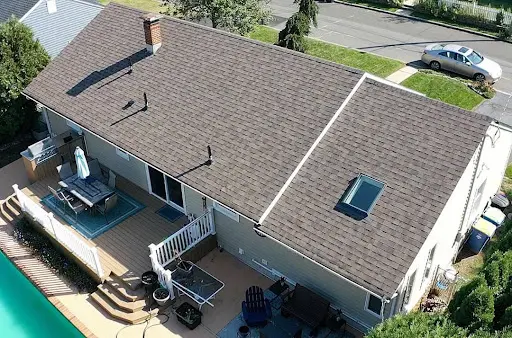
As a first-time homeowner, you are likely discovering that there are more parts to maintaining a home than you realized. A part of the home that many people forget to pay attention to is the gutter system. Gutters play a crucial role in protecting your home by channeling rainwater away from the roof, foundation, and landscaping. Without a reliable gutter system, water damage can become a costly problem.
When choosing new gutters, most homeowners find themselves comparing seamless gutters vs regular gutters. At first glance, they may look similar, but the differences in design, installation, and performance are important to understand before making a decision.
What Are Regular Gutters?
Regular gutters, also called sectional gutters, are made of pre-cut sections that are joined together to form a complete system. These sections are usually 10 to 20 feet long and come in materials like aluminum, vinyl, and galvanized steel.
Each section is connected with seams that must be sealed. Over time, those seams can weaken, leading to leaks or clogs. While this may sound like a disadvantage, regular gutters are still widely used for several reasons.
Advantages of regular gutters:
- Lower upfront cost
- Easy to find at local home improvement stores
- Can be installed as a do-it-yourself project
- Simple to replace one damaged section without redoing the entire system
Disadvantages of regular gutters:
- Multiple seams that can leak over time
- Requires regular resealing and maintenance
- Joints can trap leaves and debris more easily
For homeowners who are handy with tools and looking to save money, sectional gutters can be a practical solution.
What Are Seamless Gutters?
Seamless gutters are custom-made for your home. Instead of piecing together sections, a professional installer uses a special machine to cut one continuous piece of gutter that fits the exact length of your roofline.
The only seams in this type of system are at the corners and where downspouts connect. This design eliminates many of the weak points found in sectional gutters.
Advantages of seamless gutters:
- Fewer seams mean fewer leaks
- Sleek, smooth appearance that improves curb appeal
- Better long-term durability
- Lower maintenance needs compared to sectional gutters
Disadvantages of seamless gutters:
- Higher initial cost
- Requires professional installation
- More expensive to repair if one section is damaged
While seamless gutters cost more upfront, many homeowners appreciate the reduced maintenance and longer lifespan.
Materials Used in Both Systems
Whether you choose seamless or sectional gutters, the materials are similar. Here are the most common options:
- Aluminum: Lightweight, rust-resistant, and affordable. This is the most popular choice in New Jersey because it holds up well in all weather conditions.
- Vinyl: A low-cost option available only in sectional systems. Vinyl is easy to install but less durable, especially in extreme temperatures.
- Galvanized Steel: Strong and good for heavy rain or snow, but it can rust if the coating wears down.
- Copper or Zinc: Premium materials that can last 40 to 50 years. These are expensive but add a beautiful, high-end look.
Installation Differences
One of the main differences between seamless gutters vs regular gutters is installation.
- Regular gutters: Homeowners can install them with basic tools. Each section must be measured, cut, and sealed. While the process is straightforward, it requires regular upkeep because seals can fail.
- Seamless gutters: These require a special roll-forming machine that shapes the gutter on-site. Because of the equipment and skill involved, seamless gutters must be installed by professionals.
If you are a first-time homeowner who values long-term peace of mind, professional installation of seamless gutters may be worth the extra cost.
Cost Comparison in New Jersey
Prices vary depending on the size of your home, the material, and the installer, but here are some average ranges for New Jersey in 2025:
- Sectional vinyl gutters: $3 to $5 per linear foot
- Sectional aluminum gutters: $5 to $15 per linear foot
- Seamless aluminum gutters: $6 to $10 per linear foot
- Premium copper or zinc gutters: $20 to $50 per linear foot
Maintenance and Durability
Maintenance is another key factor when comparing seamless gutters vs regular gutters.
- Sectional gutters require frequent inspections. The seams should be checked for leaks, and sealant may need to be reapplied. Debris often collects at joints, so cleaning is more time-consuming. The lifespan of sectional systems is usually 10 to 15 years.
- Seamless gutters need less maintenance. With fewer seams, they are less likely to leak or clog. They still need cleaning at least twice a year, especially in wooded areas, but overall upkeep is easier. Seamless systems typically last 20 years or more, and premium metals like copper can last 50 years or longer.
Which Option Is Right for First-Time Homeowners?
The best choice depends on your priorities. If you are looking for the most affordable option and are comfortable with do-it-yourself maintenance, sectional gutters can work well. They are widely available and easy to repair in small sections.
If you prefer a system that lasts longer, looks better, and requires less frequent upkeep, seamless gutters are the smarter investment. While they cost more upfront, they save time and money in the long run by reducing leaks and repairs.
FAQs
Are seamless gutters better than regular gutters?
For most whole-home installations, seamless gutters provide better long-term performance because continuous runs have fewer joints where leaks can develop. Sectional gutters cost less and are easier to repair yourself, but their multiple seams require more inspection and resealing over time.
Are seamless gutters worth the extra cost?
Seamless gutters are often worth the higher upfront cost for homeowners planning to stay in their property for several years. Fewer seams reduce potential leak points and maintenance, while custom fabrication provides a cleaner fit. Sectional gutters remain reasonable when budget or DIY installation is the priority.
How long do seamless gutters last?
Seamless aluminum gutters commonly last around 20 to 30 years when correctly installed and maintained. Actual lifespan depends on material quality, fastening, cleaning, drainage, tree coverage, and weather exposure. New Jersey snow, ice, coastal moisture, and repeated temperature changes can increase stress on gutter systems.
Do seamless gutters still have seams?
Yes. Seamless gutters eliminate most joints along straight roof runs, but connections are still necessary at corners, end caps, and downspout outlets. These remaining areas should be inspected periodically because sealants and connections can deteriorate even when the main gutter run contains no sectional joints.
Do seamless gutters clog less than regular gutters?
They can collect slightly less debris around joints because continuous runs have fewer internal connection points, but seamless gutters can still clog with leaves, pine needles, roof granules, and other debris. Both systems require regular cleaning, particularly on wooded New Jersey properties during autumn.
For homes in New Jersey, should you choose 5-inch gutters or upgrade to a 6-inch system?
Both can work, but sizing should depend on roof area, pitch, rainfall, valleys, and downspout capacity. Six-inch gutters handle substantially more runoff and are often appropriate for larger or steeper New Jersey roofs that overflow during heavy thunderstorms, even when existing gutters are clean.
Is it possible to restore seamless gutters after they’ve sustained damage?
Yes. Hangers, corners, end caps, outlets, and limited damaged areas can often be repaired without replacing the entire gutter system. However, substantial damage to a long continuous run may require that section to be removed and fabricated again, making some seamless gutter repairs more involved.
Do gutter guards work with seamless gutters?
Yes. Gutter guards can be installed with seamless gutters and may reduce the amount of leaves and larger debris entering the system. They do not eliminate maintenance entirely, so homeowners should still inspect gutters, guards, and downspouts periodically for accumulated debris, overflow, or drainage problems.
Do I need a permit to install seamless gutters in New Jersey?
Generally, no. New Jersey classifies the repair, replacement, or installation of exterior gutters and leaders as ordinary maintenance that can be performed without a construction permit. Work involving structural modifications or other exterior alterations may have separate requirements, so unusual projects should be confirmed locally.
Final Thoughts
When deciding between seamless gutters vs regular gutters, first-time homeowners should weigh both short-term budget and long-term value. Sectional gutters are cost-effective and DIY-friendly, but they need more attention over time. Seamless gutters provide durability, lower maintenance, and a polished look that many homeowners find worth the investment.
If you are considering gutter replacement in New Jersey and want expert guidance, reach out to Home Makeover LLC for professional installation and long-lasting results.

About the Author: Jeffrey W. Nero
Jeffrey W. Nero is a home improvement expert with over 20 years of experience serving homeowners in New Jersey. As the owner of Home Makeover™, Jeff combines quality craftsmanship with a deep understanding of local needs. From roofing and siding to deck remodels, Jeff has helped thousands of homeowners bring their visions to life. His commitment to excellence and customer satisfaction makes him a trusted partner in transforming homes across Central NJ.