Call us today (732) 230-7552
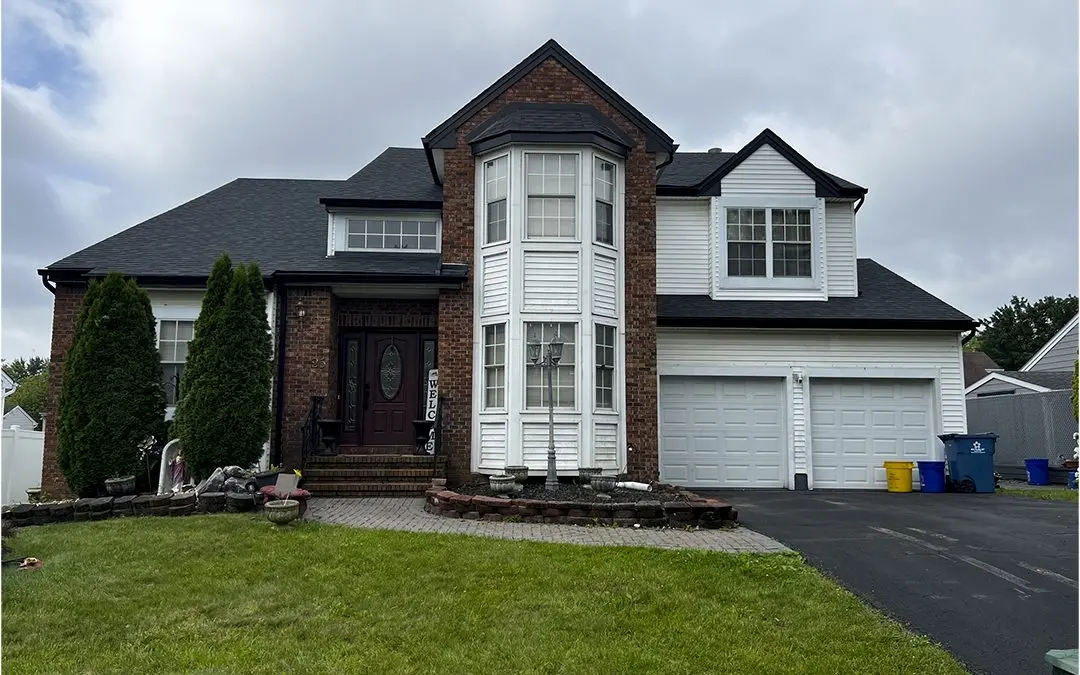
When winter storms arrive with heavy snow, ice, and freezing winds, your roof becomes your home’s first – and most critical – line of defense. Choosing the best type of roofing for cold climates is not just about aesthetics or cost. It’s about durability, snow performance, freeze-thaw resistance, long-term energy efficiency, and most importantly, avoiding costly repairs and replacements. In this ultimate 2026 guide, we’ve broken down everything you need to know to select the right roof that will handle snow year after year and keep your home safe, warm, and efficient.
Why Choosing the Best Type of Roofing for Cold Climates Matters?
In snowy regions, roofs endure extreme conditions:
- Heavy snow loads that can stress structural framing
- Freeze-thaw cycles that cause cracking and leaks
- Ice dams that lead to water intrusion and interior damage
- Heat loss that drives up winter energy bills
A great roof must solve all these problems efficiently. The right roof design keeps snow moving, sheds moisture quickly, and stands up to years of cold weather without frequent maintenance.
Top Factors to Consider Before You Choose
Before we break down materials, here are the core factors that distinguish the best type of roofing for cold climates:
1. Snow Shedding Ability
Smooth surfaces and steeper slopes encourage snow to slide off quickly, minimizing load.
2. Freeze-Thaw Durability
Materials must resist cracking when exposed to repeated freezing and melting.
3. Moisture and Ice Dam Resistance
Good roofing systems use specialized underlayment, ventilation, and insulation to prevent ice dams and water infiltration.
4. Lifespan and Longevity
Cold climates shorten life spans for some roofs. The best options can last decades with minimal maintenance.
5. Energy Efficiency
A cold climate roof should help retain heat and reduce your heating costs in winter.
Ultimate Ranking: Best Type of Roofing for Cold Climates
Below is the comprehensive list of materials that perform best in snow-prone areas, starting with the top performers.
1. Metal Roofing – Best Overall Option
Why It’s #1:
Metal roofing is widely considered the best type of roofing for cold climates due to its unmatched snow shedding ability, durability, and long life.
Key Features:
- Fast Snow Shedding: Snow slides right off metal surfaces, reducing weight and ice dam formation.
- Lifespan: 40 – 70+ years (often with warranties).
- Low Maintenance: No cracking, curling, or rot like shingles.
- Fire and Wind Resistance: Most metal roofs perform exceptionally well in high winds and fire-risk areas.
Best Varieties:
- Standing Seam Metal Roofs – seamless panels with concealed fasteners
- Corrugated Steel/Aluminum – strong and reliable
- Stone-Coated Steel – more aesthetic options with metal durability
Pros:
✔ Excellent snow shedding
✔ Very durable and long-lasting
✔ Low maintenance
Cons:
✘ Higher upfront cost
✘ Can be noisy during snow or rain unless insulated well
Best For: Homes in areas with heavy, frequent snowfall and steep or moderate roof slopes.
2. Synthetic Roofing Materials – Best Balance of Performance and Aesthetics
Synthetic roofing materials include composite tiles, polymer slate, and high-grade rubber shingles. These products are engineered to mimic traditional materials like slate or cedar but with enhanced durability for cold climates.
Why It’s Great:
- Resistant to Freeze-Thaw Cycles: Engineered to remain stable even in repeated freezing and melting.
- Lightweight: Less structural load compared to heavy stone or clay.
- Good Snow Resistance: Many are rated Class 4 impact and shear-resistant.
- Aesthetic Variety: Can mimic slate, cedar shake, or tile very realistically.
Pros:
✔ Weather-proof, long-lasting
✔ Great aesthetics
✔ Lower structural load
Cons:
✘ Slightly more expensive than basic asphalt
✘ Quality varies by brand
Best For: Homeowners who want both performance and premium looks.
3. Slate Roofing – Best for Longevity and Classic Look
Slate is a natural stone roofing material and one of the longest-lasting roofing options available – up to 100+ years.
Why It Works Well:
- Excellent at withstanding freeze-thaw and moisture cycles.
- Very high resistance to snow and ice.
- Adds significant value and timeless aesthetic appeal.
Pros:
✔ Incredible lifespan
✔ Water and freeze-thaw resistant
✔ High aesthetic value
Cons:
✘ Extremely heavy – may require structural reinforcement
✘ Very high cost and specialized installation
Best For: Luxury homes and historic properties where long lifespan and visual appeal matter.
4. Architectural Asphalt Shingles – Best Budget-Friendly Choice
Asphalt shingles remain popular due to affordability and ease of installation. While not ideal for extreme snow loads, they can perform well with the right setup.
Tips for Cold Climates:
- Use architectural (laminated) shingles rather than basic 3-tab shingles.
- Ensure proper underlayment, ventilation, and ice-water shield to prevent leaks and ice dams.
Pros:
✔ Low cost
✔ Easy to install
✔ Widely available
Cons:
✘ Shorter lifespan (15 – 30 years)
✘ Not as durable under heavy snow without upgrades
Best For: Lower snowfall areas or as a temporary roof solution.
5. Rubber (EPDM) Roofing – Best for Flat or Low-Slope Roofs
While not as common for traditional residential slopes, rubber roofing is ideal for flat roofs in cold climates. It resists ice buildup and water penetration well.
Pros:
✔ Great water resistance
✔ Flexible and durable
✔ Good for commercial or modern residential flat roofs
Cons:
✘ Not visually appealing for pitched roofs
✘ Requires professional installation
Best For: Flat roofs where snow does not shed easily without surface adhesion.
| Roofing Material | Snow Performance | Durability | Cost | Best Use |
|---|---|---|---|---|
| Metal Roofing | ⭐⭐⭐⭐⭐ | ⭐⭐⭐⭐ | $$$ | Heavy snow and steep roofs |
| Synthetic Materials | ⭐⭐⭐⭐ | ⭐⭐⭐⭐ | $$$ | Balanced performance & aesthetics |
| Slate | ⭐⭐⭐⭐ | ⭐⭐⭐⭐⭐ | $$$$ | Premium longevity |
| Asphalt Shingles | ⭐⭐⭐ | ⭐⭐ | $ | Budget, lighter snow |
| Rubber (EPDM) | ⭐⭐ | ⭐⭐ | $$ | Flat/low-slope roofs |
Roof Design Tips for Snowy Climates
A roof’s materials are important, but design and installation matter just as much.
1. Steeper Roof Pitch Helps Snow Slide
A roof pitch of 6:12 or greater helps snow slide off naturally.
2. Ventilation and Insulation Are Critical
Proper attic ventilation and insulation prevent ice dams – a major cause of leaks.
3. Add Snow Guards Where Needed
Snow guards prevent large snow sheets from sliding off suddenly, protecting gutters and landscaping.
4. Use Quality Underlayment
Ice-and-water shield underlayment at roof edges protects against water intrusion from melting snow.
Maintenance Tips for Long-Lasting Winter Performance
Even the best type of roofing for cold climates needs care:
🔹 Clean Gutters Regularly
Clogged gutters allow ice to build up, leading to water backup and damage along the roof edges.
🔹 Inspect After Major Storms
Look for damaged shingles or loose flashing.
🔹 Monitor Attic Insulation
Leaks often show up in soffits or attic corners.
🔹 Remove Excess Snow Safely
Use roof rakes to reduce heavy loads after major snowfalls.
FAQs
What is the best roofing material for cold climates in New Jersey?
Metal roofing is often the best choice because it sheds snow well, resists moisture, and lasts for decades. Synthetic roofing is also a strong option for durability and curb appeal.
Is metal roofing good for New Jersey winters?
Yes. Metal roofing handles snow, ice, wind, and freeze-thaw cycles very well, making it a reliable option for NJ homes.
Are asphalt shingles good for cold weather?
Architectural asphalt shingles can work well in New Jersey when installed with proper ventilation, flashing, and ice-and-water shield.
What roofing material lasts the longest in snowy climates?
Slate roofing can last 100+ years, but it is expensive and heavy. Metal and synthetic roofing are often more practical long-term choices.
What causes ice dams on roofs?
Ice dams form when attic heat melts snow on the roof, which then refreezes near the gutters. Ventilation and adequate insulation can greatly reduce the chances of ice dams forming.
Do New Jersey homes need ice-and-water shield?
Yes. Ice-and-water shield helps protect vulnerable roof areas from leaks caused by snow, ice, and melting water.
Does roof pitch matter in snowy climates?
Yes. Steeper roofs shed snow more easily, which helps reduce weight, ice buildup, and moisture problems.
What is best for flat roofs in cold climates?
EPDM rubber roofing is a good option for flat or low-slope roofs because it is flexible and water-resistant.
How do I know if my roof is ready for winter?
Look for missing shingles, leaks, loose flashing, clogged gutters, attic moisture, or sagging areas. A roof inspection is best before winter storms.
What should NJ homeowners consider before replacing a roof?
Consider snow performance, durability, ventilation, insulation, ice dam protection, warranty, and installation quality, not just price.
Conclusion: The Best Type of Roofing for Cold Climates in 2026
If you want the best combination of snow performance, durability, and longevity, metal roofing and high-quality synthetic materials stand out as the top choices in 2026 for the best type of roofing for cold climates. Slate offers an unmatched lifespan for luxury builds, while asphalt shingles and rubber roofing have specific uses depending on your budget and roof slope.
Choosing the right roofing material not only protects your home during harsh winters but also improves energy efficiency and reduces maintenance headaches for decades.

About the Author: Jeffrey W. Nero
Jeffrey W. Nero is a home improvement expert with over 20 years of experience serving homeowners in New Jersey. As the owner of Home Makeover™, Jeff combines quality craftsmanship with a deep understanding of local needs. From roofing and siding to deck remodels, Jeff has helped thousands of homeowners bring their visions to life. His commitment to excellence and customer satisfaction makes him a trusted partner in transforming homes across Central NJ.