 Call us today (732) 230-7552
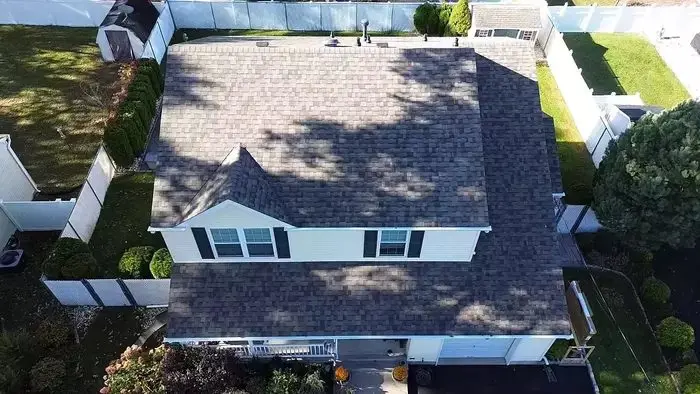
Homeowners dealing with winter snow and ice often look for quick solutions to protect their roof. One method that frequently comes up is spreading salt on roof surfaces to melt ice. While this approach may seem harmless or even helpful at first, it can quietly lead to long-term roof damage. Understanding how salt affects roofing materials is essential for protecting your home and avoiding costly repairs later.
At Home Makeover LLC, we often educate homeowners on safe roof care practices that protect both structural integrity and long-term property value. This article explains why salt on roof surfaces can be damaging over time and what safer alternatives exist.
What Homeowners Mean When They Use Salt on the Roof?
When people talk about salt on roof surfaces, they are usually referring to rock salt or ice melt products commonly used on driveways and walkways. These products are designed to lower the freezing point of ice and snow, helping it melt faster in cold conditions. Some homeowners apply the same idea to roofs when ice dams form near the edges or gutters.
The problem is that roofs are built with materials that react very differently to salt than concrete or pavement. Shingles, flashing, nails, and underlayment are not designed to handle chemical exposure from salt.
How Salt on the Roof Interacts With Asphalt Shingles?
Asphalt shingles are one of the most common roofing materials in residential homes. They are made with a fiberglass base, asphalt coating, and mineral granules that protect against sunlight and moisture. When salt is placed on the roof, it dissolves with melting snow and creates a saline solution.
This salty water can slowly break down the asphalt layer. Over time, the shingles may lose flexibility, become brittle, and crack more easily. The granules that protect shingles from UV damage can also loosen and wash away faster when exposed to salt repeatedly.
Salt on roof surfaces does not cause instant damage, which is why many homeowners do not notice the problem until years later.
The Effect of Salt on Roof Moisture Retention
One hidden issue with salt on roof areas is moisture retention. Salt attracts water. Even after the snow melts, salt residue can continue pulling moisture from the air. This keeps parts of the roof damp longer than normal.
Extended moisture exposure increases the risk of mold growth beneath shingles and can weaken roof decking over time. Moist environments also accelerate rot in wooden roof structures, especially in older homes.
Salt on roof sections near valleys and edges can worsen these issues because water naturally collects in those areas.
Why Salt on the Roof Can Worsen Ice Dams?
Many homeowners use salt on roof edges to fight ice dams. Ironically, salt can sometimes make the problem worse. Ice dams form when snow melts on warm roof sections and refreezes near colder edges. Salt may melt surface ice temporarily, but it does not address the root cause, which is heat loss and poor insulation.
As the melted snow refreezes overnight, salt residue can contribute to uneven melting patterns. This can allow water to back up under shingles, increasing the risk of leaks inside the home.
Proper insulation and ventilation are far more effective long-term solutions.
Salt on Roof and Its Impact on Metal Components
Roofs include more than just shingles. Nails, flashing, vents, and fasteners are often made from metal. Salt is corrosive, especially when mixed with moisture. Over time, salt on roof surfaces can accelerate rust and corrosion in metal parts.
Corroded flashing can fail around chimneys, skylights, and vents. Rusted nails may loosen, causing shingles to lift or shift. These issues often remain hidden until leaks appear inside the home.
Even homes that may later need roof replacement often show early warning signs linked to salt exposure.
Salt on Roof Runoff and Gutter Damage
When the snow melts, salty water runs down into the gutters. Gutters are not designed to handle chemical exposure repeatedly. Salt can weaken gutter coatings, accelerate rust, and shorten their lifespan.
This is one reason many homeowners eventually require gutter cleaning and repairs after winter seasons where salt was used on the roof. Clogged or damaged gutters increase the risk of water overflow, which can affect siding, foundations, and landscaping.
How Salt on the Roof Affects Siding and Exterior Surfaces?
Salt runoff does not stop at gutters. It often splashes onto siding and nearby exterior walls. Over time, salt residue can stain siding materials and degrade protective finishes.
Homes that eventually need siding replacement often show signs of salt-related damage near roof edges and downspouts. This damage may not be obvious at first, but it can slowly reduce the lifespan of exterior materials.
Protecting your roof also helps preserve the rest of your home’s exterior.
Salt on the Roof and Environmental Concerns
Salt on the roof does not just affect the house itself. When the snow melts, salt enters the soil around your home. This can damage plants, lawns, and trees near the foundation. Over time, soil quality can decline, making landscaping harder to maintain.
From an environmental perspective, reducing salt usage helps protect groundwater and nearby vegetation. Choosing safer roof maintenance methods benefits both your home and the surrounding environment.
Safer Alternatives to Salt on the Roof
Instead of salt on roof surfaces, homeowners should focus on addressing the causes of ice buildup. Improving attic insulation, sealing air leaks, and ensuring proper ventilation help maintain consistent roof temperatures.
Using roof rakes to remove snow safely from the ground is another effective method. Calcium magnesium acetate products may be less damaging than rock salt, but even these should be used cautiously and sparingly.
Professional evaluations often prevent the need for emergency fixes and protect long-term roof health.
Long-Term Cost of Using Salt on the Roof
The biggest issue with salt on the roof usage is delayed damage. Homeowners may save time in the short term but face expensive repairs years later. Shingle deterioration, leaks, rotted decking, and corroded flashing can all stem from repeated salt exposure.
These issues often lead to full roof replacement earlier than expected. Addressing roof care properly from the start saves money and stress over time.
Why Professional Roof Guidance Matters?
Every roof is different. Climate, roof pitch, materials, and insulation levels all affect how a roof handles winter conditions. Applying general advice like salt on the roof usage without understanding these factors can do more harm than good.
Professional roof evaluations help identify weak points and provide solutions that work long-term. This approach also protects related systems, such as window installation and deck replacement areas that may be affected by water runoff.
FAQs
Is salt on the roof ever safe to use?
Salt on the roof is generally not recommended. While it may melt ice temporarily, it can damage shingles, metal components, and gutters over time.
Does salt on the roof cause leaks?
Yes. Salt can accelerate shingle wear and corrosion of flashing, increasing the risk of leaks as materials weaken.
Can salt on the roof void roof warranties?
In some cases, chemical damage caused by salt may not be covered under roofing warranties. Always check manufacturer guidelines.
What should I do instead of using salt on the roof?
Focus on snow removal, insulation improvements, ventilation upgrades, and professional inspections to prevent ice buildup safely.
How do I know if salt has already damaged my roof?
Signs include missing granules, cracked shingles, rusted flashing, and unexplained leaks. A professional inspection can confirm damage.
Home Makeover LLC’s Approach to Roof Protection
At Home Makeover LLC, we believe education is key to long-lasting home protection. Our team focuses on prevention, proper materials, and proven methods rather than quick fixes. Whether homeowners are maintaining an existing roof or planning future upgrades, understanding risks like salt on the roof exposure is essential.
We also consider how roof health connects with other exterior systems to ensure complete home protection.

About the Author: Jeffrey W. Nero
Jeffrey W. Nero is a home improvement expert with over 20 years of experience serving homeowners in New Jersey. As the owner of Home Makeover™, Jeff combines quality craftsmanship with a deep understanding of local needs. From roofing and siding to deck remodels, Jeff has helped thousands of homeowners bring their visions to life. His commitment to excellence and customer satisfaction makes him a trusted partner in transforming homes across Central NJ.