Call us today (732) 230-7552
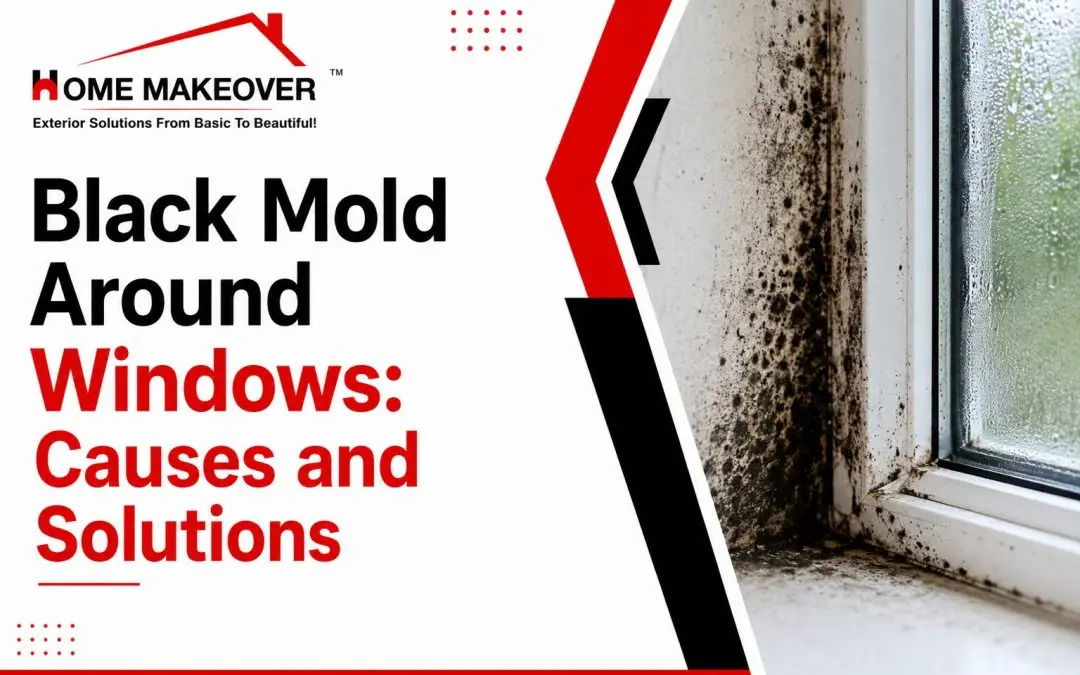
Mold around windows is one of those problems NJ homeowners discover at the worst time. You pull back the curtain on a cold morning and notice dark stains forming along the window sill, frame, or caulk line. It looks bad. And if it is black mold, it can affect your family’s health too.
The good news: most window mold is manageable if you catch it early. Everything starts with understanding what caused it in the first place. If the underlying moisture problem is not addressed, mold is likely to return within a few weeks, even after cleaning.
This guide covers every common cause of mold around windows, how to remove it safely, how to stop it from coming back, and when your windows themselves are the underlying problem.
| Health Warning: Black mold exposure can cause respiratory issues, allergic reactions, and irritation of the eyes, skin, and throat. If the affected area is larger than 10 square feet or you have asthma or a compromised immune system, contact a professional mold remediation company rather than attempting DIY removal. |
Why Does Mold Grow Around Windows?
Mold needs three things to grow: moisture, a surface to attach to, and warmth. Windows create all three conditions more consistently than almost any other part of your home.
In NJ homes, windows are the coldest surface in any room during winter. Condensation develops on the window glass and drips down onto the sill. Add warmth from your heating system, and you have a near-perfect mold environment from November through March.
5 Common Causes of Mold Around Windows
1. Condensation Dripping Onto the Sill
Condensation is the most common cause of window sill mold in New Jersey homes. During the winter, warm, humid indoor air comes into contact with cold window glass, causing water droplets to form and collect on the surface. As the moisture runs down onto the sill, it can be absorbed by wood, painted drywall, or other porous materials.
When moisture remains present for extended periods, mold can begin developing within 24 to 48 hours. Homes with elevated indoor humidity, inadequate ventilation, or older single-pane windows are particularly vulnerable. Because the sill often remains damp throughout the heating season, it may never fully dry, creating an ideal environment for mold growth.
| NJ Context: NJ’s cold winters, combined with indoor heating systems running at full capacity, create some of the highest condensation rates in the Mid-Atlantic region. Monmouth and Middlesex County homes built before 2000 are especially vulnerable due to older window technology. |
2. Leaking Window Seals or Frames
Water does not only enter through condensation. A window with failed caulk, worn weatherstripping, or a damaged frame can allow rainwater to seep in around the edges. NJ gets significant rainfall year-round, and nor’easters push water horizontally into gaps that would otherwise stay dry.
This type of water intrusion is more serious than condensation because it introduces larger volumes of moisture into wall cavities, insulation, and surrounding framing. Mold growing from a leak often extends beyond what is visible on the surface.
| Warning:If you see mold on the wall beside or below a window, not just on the sill, water is likely entering through a failed seal or frame. This is not a cleaning problem. The window or surrounding flashing needs professional attention. |
3. High Indoor Humidity
Indoor humidity above 50 percent creates persistent condensation on cold window surfaces throughout winter. Common culprits in NJ homes include poor bathroom and kitchen ventilation, air-drying laundry indoors, and overcrowded plant arrangements near windows.
Target 30 to 40 percent in winter. Above 50 percent, mold around windows is almost inevitable in an older NJ home.
4. Organic Dust and Debris in the Frame
Mold does not grow on glass alone because glass is not porous. However, window frames, sills, and caulk lines can accumulate dust, pollen, skin cells, and other organic matter that provide a food source for mold growth. Combined with any moisture source, even a small amount of dust in the corner of a frame becomes a mold breeding ground.
This is why regular cleaning matters even when your windows are properly sealed and your humidity is controlled. Dust removal eliminates the food source that mold needs to establish itself.
5. Old or Rotting Window Frames
Wood frames absorb moisture deeply over time. Once a wood frame begins to rot, it holds water as a sponge, and mold penetrates below the surface. Surface cleaning removes visible mold temporarily but does not reach the growth inside the degraded wood.
Vinyl frames are more resistant to mold than wood but can still harbor growth in crevices, track channels, and around the caulk line. If the frame material itself is compromised, cleaning alone is not a long-term solution.
How to Remove Mold Around Windows: Step by Step
For affected areas under 10 square feet with no visible structural damage, DIY removal is appropriate. Work on a dry day with windows open for ventilation.
| Step | Action | Product | Time |
|---|---|---|---|
| 1 | Gear up before starting | Gloves, N-95 mask, safety goggles | 2 min |
| 2 | Lay plastic sheeting on the sill and floor | Plastic drop cloth | 2 min |
| 3 | Vacuum loose mold spores and debris | HEPA vacuum | 5 min |
| 4 | Apply the cleaning solution directly to the affected area and allow it to sit for the recommended amount of time. | 1:10 bleach/water or full-strength white vinegar | 10 min dwell |
| 5 | Scrub with a stiff brush, use a toothbrush for crevices | Soft bristle brush | 10-15 min |
| 6 | Wipe clean with a damp microfiber cloth | Clean water | 5 min |
| 7 | Dry the area completely | Fan or dry cloth | 30-60 min |
| 8 | Inspect for remaining growth | Flashlight | 5 min |
| Important: Never combine bleach with vinegar, ammonia, or any other cleaning product, as doing so can produce hazardous fumes. The combination creates toxic fumes. Use either one method or the other-never both at the same time. For wood frames, use vinegar rather than bleach, as bleach is corrosive to wood surfaces. |
When to Call a Professional
- The mold-contaminated area exceeds 10 square feet.
- Mold has penetrated the wall cavity or surrounding drywall
- The window frame is soft, decayed, or no longer structurally sound.
- Mold reappears shortly after cleaning.
- A household member has asthma, allergies, or a weakened immune system.
How to Prevent Mold Around Windows in Your NJ Home?
Cleaning removes mold. Only fixing the root cause keeps it from returning. Here is what works long-term for NJ homeowners.
- Keep indoor humidity between 30 and 40 percent in winter using a dehumidifier or whole-house humidity control
- Run bathroom and kitchen exhaust fans during and for 20 minutes after cooking and showering
- Wipe window sills and frames dry after noticing condensation, especially on cold mornings
- Inspect and replace exterior caulk around all window frames every two to three years
- Clean window frames, tracks, and sills with a vinegar solution monthly during winter
- Keep curtains and blinds open during daylight hours to allow air circulation near the glass
- Move houseplants away from windows during the winter months to reduce local humidity
- Have your windows inspected professionally if condensation is persistent or water is entering around the frame
When Mold Around Windows Means You Need New Windows
Cleaning and humidity control solve most window mold problems. But sometimes the window itself is the reason mold keeps coming back. Consider replacement when:
| Situation | What It Means | Action |
|---|---|---|
| Mold returns within 2-3 weeks of cleaning | Root moisture source not resolved | Inspect seals, caulk, and frame |
| Mold appears on the surrounding wall or drywall | Water entering through a failed frame or seal | Professional inspection required |
| The frame is soft, spongy, or visibly rotted | The frame material is compromised | Full window replacement |
| Condensation is constant despite humidity control | The window thermal performance is too low | Upgrade to Low-E replacement windows |
| The window is 20+ years old with recurring mold | An aging system with multiple failure points | Full window replacement |
Modern replacement windows with Low-E glass, proper insulation, and factory-sealed frames significantly reduce the condensation and moisture intrusion that causes mold. Many NJ homeowners who replace aging windows report that recurring mold problems resolve completely within the first full winter season.
If the mold is connected to a rotting frame, failed flashing, or recurring water intrusion, use our window replacement guide for New Jersey homeowners to understand full-frame replacement, moisture inspection, and contractor selection.
Frequently Asked Questions
Is mold around windows dangerous?
It depends on the type and extent of the growth. Common household mold causes mild irritation, allergy symptoms, and respiratory discomfort, especially for children, elderly residents, and people with asthma. Black mold, known as Stachybotrys chartarum, produces mycotoxins that can cause more serious health effects with prolonged exposure. Any mold growth in a home should be taken seriously and addressed quickly.
Why does mold keep coming back around my windows after cleaning?
Mold infestations frequently recur when the root cause of moisture intrusion remains unresolved. Cleaning removes visible growth but does not address the underlying cause. If condensation continues to drip onto the sill, if a seal is still leaking, or if indoor humidity remains above 50 percent, mold re-establishes within days to weeks. Stop the moisture problem first, then remove the mold. Otherwise, you’re cleaning up the result without fixing what’s causing it.
Can I paint over mold on my window sill?
No. Painting over mold does not kill it. The mold continues to grow beneath the paint and will reappear through the surface within weeks to months. Always remove mold completely and allow the surface to dry fully before repainting. Use a mold-resistant primer and paint for any window sill or frame that has had mold growth.
Does mold around windows mean I need to replace them?
Not always. Mold growing on a windowsill or frame due to condensation does not typically require window replacement by itself. However, replacement may be the best long-term solution if the frame has suffered rot or structural damage, water is infiltrating through a failed seal, or mold continues to return despite thorough cleaning and proper humidity control. A professional inspection can tell you definitively which situation you are in.
How much does it cost to replace windows with mold damage in New Jersey?
Window replacement in NJ typically costs $400 to $1,200 per window installed, depending on size, style, and frame material. If surrounding drywall or framing has been damaged by moisture intrusion from a leaking window, additional repair costs apply. Acting early before moisture damage spreads into the wall cavity significantly limits the total repair bill.
Dealing With Window Mold in Your New Jersey Home?
At Home Makeover LLC, our exterior home repair services help homeowners across Monmouth, Middlesex, and Mercer Counties identify and fix the root cause of window mold for good. Whether the problem is a failed seal, a damaged frame, or windows that need full replacement, we give you an honest assessment with no upselling.
We are fully licensed and insured, backed by 20+ years of experience and 200+ five-star Google reviews. Flexible financing is available for qualifying projects.

About the Author: Jeffrey W. Nero
Jeffrey W. Nero is a home improvement expert with over 20 years of experience serving homeowners in New Jersey. As the owner of Home Makeover™, Jeff combines quality craftsmanship with a deep understanding of local needs. From roofing and siding to deck remodels, Jeff has helped thousands of homeowners bring their visions to life. His commitment to excellence and customer satisfaction makes him a trusted partner in transforming homes across Central NJ.