 Call us today (732) 230-7552
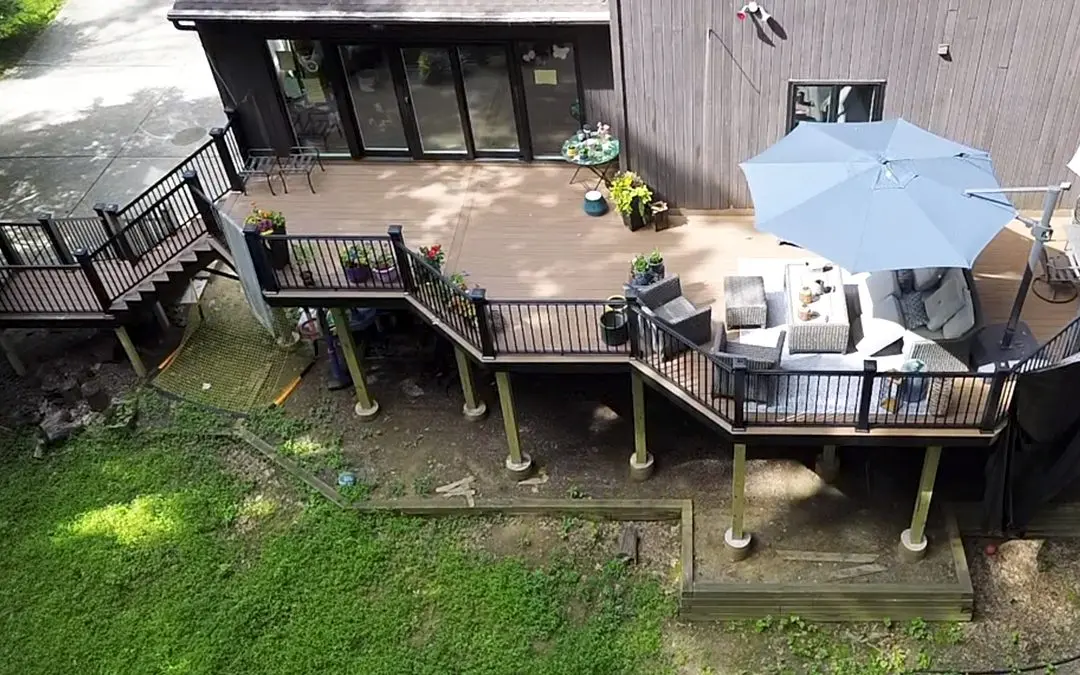
As the demand for low-maintenance, long-lasting outdoor living spaces continues to rise in New Jersey, composite decking has become one of the most talked-about options for homeowners replacing or remodeling their existing decks. This trend reflects a broader shift toward materials that withstand New Jersey’s varied climate while delivering lasting performance and aesthetic appeal. In this comprehensive guide, we explore the benefits of composite decking, how it stacks up against traditional wood, and why more homeowners are choosing it in 2026. Throughout this article, we will provide actionable insights that answer common questions and help you make an informed choice for your outdoor space.
What Is Composite Decking and Why It Matters in New Jersey?
Composite decking is a durable building material made by blending wood fibers with plastic polymers. This engineered composition creates boards that offer the look of wood with enhanced strength and resilience. Because New Jersey’s climate includes humidity, coastal salt exposure, and freeze-thaw cycles, materials that resist moisture and temperature changes are essential for ensuring longevity outdoors.
Benefit 1: Exceptional Durability for Harsh Weather
One of the greatest advantages of composite decking is its ability to withstand New Jersey’s unpredictable weather. Because composite boards resist rot, decay, and insect damage more effectively than traditional wood, they maintain structural integrity even in coastal or humid environments. Homeowners no longer need to worry about warping or cracking from sun, rain, or freeze-thaw cycles.
Benefit 2: Low Maintenance Saves Time and Money
A major reason many New Jersey homeowners prefer composite decking is its minimal maintenance requirement. Unlike wood, which requires regular staining, sealing, and refinishing, composite decking only needs occasional cleaning with soap and water to look great year after year. This benefit of composite decking significantly reduces both time and cost over the life of the deck.
Benefit 3: Long-Term Cost Efficiency
While the initial cost of composite decking can be higher than wood, the long-term savings are noteworthy. Composite boards typically do not require paint, stain, or sealants and rarely need costly repairs. Over 20 to 30 years, homeowners often find that composite decking delivers greater value because of fewer maintenance costs and enhanced longevity.
Contact us to get a lifetime cost estimate for your deck.
Benefit 4: Resistant to Mold, Mildew, and Moisture Damage
New Jersey’s humid climate can encourage mold and mildew growth on outdoor surfaces. One of the clear advantages of composite decking is its resistance to these issues. Composite boards absorb virtually no water, so they resist mold and mildew much better than traditional wood, keeping your deck cleaner and safer for family use.
Benefit 5: Aesthetically Versatile
Composite decking comes in a wide range of colors and finishes that mimic the natural look of hardwood without the need for annual refinishing. Whether you want a classic woodgrain appearance or modern tones, composite decking provides design flexibility that enhances curb appeal without constant upkeep.
Benefit 6: Enhanced Safety Features
Safety is a key consideration for outdoor spaces. Composite decking surfaces are less likely to splinter compared to wood, making them safer for families with children and pets. Additionally, many composite boards offer slip-resistant finishes to improve stability when wet.
Call now to discuss the safety features of composite decking.
Benefit 7: Environmentally Friendly Option
Many composite decking products incorporate recycled plastics and wood fibers, which helps reduce waste and reliance on virgin timber. This sustainable composition means homeowners can choose a decking option that is both durable and eco-conscious.
Benefit 8: Increased Property Value
Installing a high-quality composite deck can boost the value and appeal of your home. Potential buyers often view low-maintenance outdoor spaces as desirable, especially in high-traffic markets like New Jersey. Upgrading your deck with composite materials can yield a return on investment at resale time.
Benefit 9: Superior Performance in Extreme Temperatures
Composite decking is engineered to resist extreme temperatures better than wood. UV inhibitors in many composite boards reduce fading and heat retention, helping your deck stay cooler during summer months and more stable through freeze-thaw cycles. This is especially important in New Jersey’s shifting seasonal climates.
Benefit 10: Ideal for Deck Replacement and Remodeling Projects
Whether you are planning a full deck renovation or evaluating the benefits of composite deck replacement, composite decking provides a long-lasting upgrade that enhances both function and aesthetic appeal. Its ease of installation and adaptability make it a smart choice for remodeling outdoor spaces, whether you are refreshing an old deck or building new outdoor living areas.
Call now to discuss your deck remodeling project in New Jersey.
Composite Decking vs Traditional Wood
When comparing composite decking and traditional wood, the long-term benefits often favor composite. Wood can require frequent staining, painting, and sealing to avoid rotting and decay. Composite decking typically only needs a simple wash to keep it clean, offering a more consistent appearance and less maintenance effort over its lifespan.
Bonus Insight: How Composite Decking Fits Into Your Overall Home Exterior Plans
While this article focuses on decking advantages, many homeowners also consider other home upgrades to improve both aesthetics and durability. Services such as siding replacement, roof replacement, and window installation can complement your outdoor deck upgrade. Routine maintenance like gutter cleaning during deck installation can also protect your home’s exterior envelope for years to come. Including these considerations in your planning phase helps ensure a cohesive home improvement strategy.
Frequently Asked Questions (FAQs)
What maintenance does composite decking require?
Composite decking generally needs only periodic cleaning with soap and water to remove dirt and debris. Unlike wood, it does not require staining, sealing, or painting.
How long does composite decking last?
With proper installation and care, composite decking can last 25 to 30 years or more, often outlasting traditional wood decks.
Is composite decking more expensive than wood?
Composite decking typically has a higher upfront cost than wood. However, the long-term savings on maintenance and repairs often make it more cost-effective over time.
Can composite decking withstand New Jersey weather?
Yes. Composite decking is engineered to resist moisture, UV exposure, and temperature changes, making it a strong choice for New Jersey’s diverse climate.
Does composite decking increase home value?
Low-maintenance and durable decking options like composite are often attractive to buyers, potentially enhancing your home’s resale value.
Final Thought
As more New Jersey homeowners prioritize durable, low-maintenance outdoor living spaces, the benefits of composite decking remain clear. From long-term cost savings and safety advantages to enhanced property value and design flexibility, composite decking stands out as a smart choice in 2026. Whether you are planning a deck replacement or remodeling project, understanding these benefits will help you make a decision that aligns with both your lifestyle and long-term goals.

About the Author: Jeffrey W. Nero
Jeffrey W. Nero is a home improvement expert with over 20 years of experience serving homeowners in New Jersey. As the owner of Home Makeover™, Jeff combines quality craftsmanship with a deep understanding of local needs. From roofing and siding to deck remodels, Jeff has helped thousands of homeowners bring their visions to life. His commitment to excellence and customer satisfaction makes him a trusted partner in transforming homes across Central NJ.