 Call us today (732) 230-7552
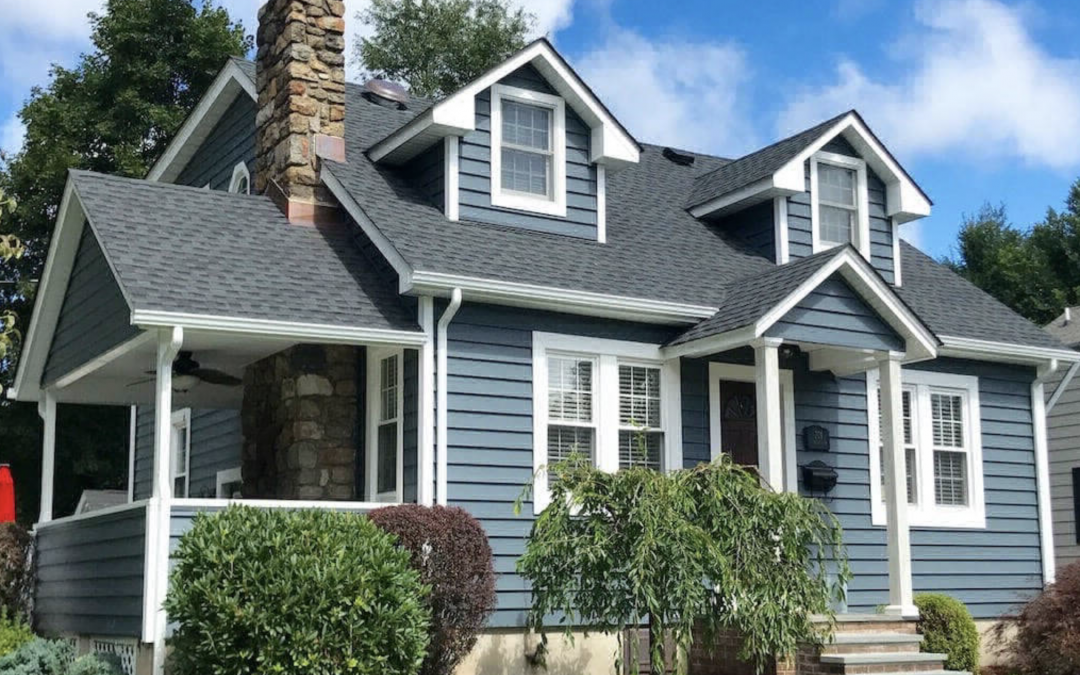
Insulated vinyl siding has grown in popularity among homeowners who want more than just new exterior panels. Many people think siding only changes how a house looks, but the truth is that the benefits of insulated vinyl siding go far beyond curb appeal. In this blog, we will explore the real performance advantages, comfort improvements, and long-term savings that insulated siding provides. Whether you are planning an update for aesthetics or efficiency, understanding these benefits can help you make a confident and informed choice for your home.
What Is Insulated Vinyl Siding?
Vinyl siding itself is a durable, plastic-based cladding that protects homes from weather, moisture, and everyday wear. Insulated vinyl siding adds a layer of rigid foam insulation directly behind the siding panels during manufacturing. This insulation serves to reduce heat transfer and enhance the exterior wall assembly’s strength compared to traditional non-insulated siding.
By combining siding and insulation in one system, homeowners can enjoy both improved performance and a cleaner, more defined panel appearance. This built-in insulation layer is what makes the insulated vinyl siding so impressive for energy efficiency, comfort, and durability.
1. Enhanced Energy Efficiency and Lower Bills
One of the most valued benefits of insulated vinyl siding is the improvement in energy efficiency it offers. The rigid foam backing helps reduce thermal bridging, which is the direct transfer of heat through wall studs. Less thermal bridging means your home holds heat longer in winter and stays cooler in summer.
Instead of constantly running heating or cooling systems to maintain comfort, your indoor temperature remains more stable. Over time, this can lead to noticeable savings on monthly energy bills. Many homeowners experience reduced heating and cooling costs because the insulated layer helps your homework more efficiently throughout the year.
2. Improved Indoor Comfort All Year
Beyond energy savings, insulated siding contributes to a more comfortable living environment. Air leaks and drafts through the exterior walls can make indoor rooms feel inconsistent in temperature. Insulation helps buffer these effects, so you feel fewer cold spots in winter and less heat radiating through walls in summer.
This added comfort can be especially noticeable along exterior walls, bedrooms, or rooms above garages that are prone to temperature swings. As a homeowner, being able to relax in a consistently comfortable space without relying heavily on your HVAC system is one of the underrated but real insulated vinyl siding benefits.
3. Strength and Impact Resistance
Standard vinyl siding is flexible and can sometimes dent, warp, or crack under impact. Insulated vinyl siding produces a firmer panel because the foam core supports and reinforces the siding material. This added strength helps the exterior withstand harsh weather, flying debris, and other forces without showing damage as easily as traditional vinyl.
Many homeowners find that improved rigidity gives them peace of mind, especially in areas prone to wind or storms. This makes insulated siding a sensible choice for long-term protection.
4. Noise Reduction and Better Acoustic Comfort
If you live near a busy street, school, railroad, or other noisy environment, insulated siding can help. The foam insulation layer not only slows heat transfer but also dampens sound entering from outside. This is a subtle but meaningful aspect of the benefits of insulated vinyl siding that many people overlook.
Quieter indoor spaces mean less outside disruption and a more peaceful home environment, which can be especially appreciated in bedrooms, home offices, and living areas.
5. Enhanced Appearance and Visual Quality
Insulated siding often looks better on the wall compared with standard siding because the foam backer gives each panel a straighter, more substantial profile. This can reduce the appearance of waviness or panels that look flat or hollow. A better definition and durable visual appeal can provide an elevated curb appeal that makes your home look more finished and well-maintained.
Even if appearance is not your primary goal, this visual refinement is an added advantage of vinyl siding insulation that many homeowners value.
6. Moisture and Pest Protection
Insulation within the siding provides an extra barrier that can help discourage moisture buildup and pest infiltration. While siding alone protects against rain and direct water exposure, the added insulation helps ensure there are fewer gaps or weak points for moisture to accumulate. This reduces the chance of mold or rot forming inside wall cavities and helps protect the structural integrity of exterior framing.
Likewise, a tighter fit and rigidity can help deter pests, such as insects or small rodents, from finding easy entry points. These are meaningful benefits of insulated vinyl siding beyond thermal performance.
7. Increased Resale Value
When potential buyers look at a home, the exterior condition and efficiency features are important selling points. Homes with visible signs of care and upgrades tend to attract more interest and stronger offers. Insulated siding can be a differentiator because it signals that the home’s exterior has been designed for performance and comfort, not just looks.
Increasing resale value through thoughtful exterior upgrades has long-term financial benefits that many homeowners discover only after comparison with similar homes in their neighborhood.
8. Durability in Seasonal Weather
In places that experience wide temperature swings or harsh seasons, insulated vinyl siding shows its worth. The foam backer adds rigidity that helps the system resist impacts from hail, wind stress, and direct weather exposure. Over time, this can translate to less maintenance and fewer concerns about panel replacements due to weather damage or wear.
With fewer weak points and less flexing, insulated siding stands better in challenging climate conditions.
9. Long-Term Investment Versus Initial Cost
It is true that insulated siding typically costs more upfront than standard vinyl siding. However, when you calculate long-term energy savings, comfort improvements, and durability, it often proves to be a wise investment. Many homeowners find that reduced HVAC use, lower repair costs, enhanced comfort, and increased home value make the initial price worthwhile.
When seen as a long-term investment rather than a short-term expense, the vinyl siding insulation advantages become clearer.
Planning Your Siding Upgrade
Choosing insulated vinyl siding begins with a thoughtful evaluation of your home’s current condition and your long-term goals. Consider the age of your existing siding, energy bills, indoor comfort levels, and the future of the home. A consultation with an experienced exterior specialist ensures that you choose the right materials and installation approach for your needs.
Professionally installed systems deliver the best performance and ensure that the insulation layer functions as intended. Contact us to schedule a free consultation and review all siding options available for your home.
When you invest in quality materials and installation, the benefits of insulated vinyl siding extend well beyond appearance alone.
Frequently Asked Questions
What makes insulated vinyl siding different from regular vinyl siding?
Insulated vinyl siding includes an integrated foam insulation layer that standard siding does not have. This layer improves thermal performance, reduces noise, and increases panel strength.
Will insulated vinyl siding lower my energy bills?
Yes. Because the insulation reduces heat transfer through exterior walls, many homeowners experience lower heating and cooling costs throughout the year.
How long does insulated vinyl siding last?
With proper installation and maintenance, insulated siding can last decades. The rigid foam backing helps reduce wear and panel movement, which contributes to longer life.
Is insulated vinyl siding worth the extra cost?
For many homeowners, the long-term savings through reduced energy use, increased comfort, and added durability outweigh the higher initial investment.
Does insulated siding help with noise reduction?
Yes. The insulation layer acts as a sound buffer and can reduce outdoor noise entering your home.
Final Thoughts
Understanding the shocking benefits of insulated vinyl siding helps homeowners make confident decisions when upgrading their home exterior. Between energy savings, better comfort, increased durability, and improved visual appeal, insulated siding offers a performance combination that traditional siding cannot match.
If you are considering siding upgrades for your home, you can evaluate your priorities and choose what aligns best with your lifestyle and budget.

About the Author: Jeffrey W. Nero
Jeffrey W. Nero is a home improvement expert with over 20 years of experience serving homeowners in New Jersey. As the owner of Home Makeover™, Jeff combines quality craftsmanship with a deep understanding of local needs. From roofing and siding to deck remodels, Jeff has helped thousands of homeowners bring their visions to life. His commitment to excellence and customer satisfaction makes him a trusted partner in transforming homes across Central NJ.