 Call us today (732) 230-7552
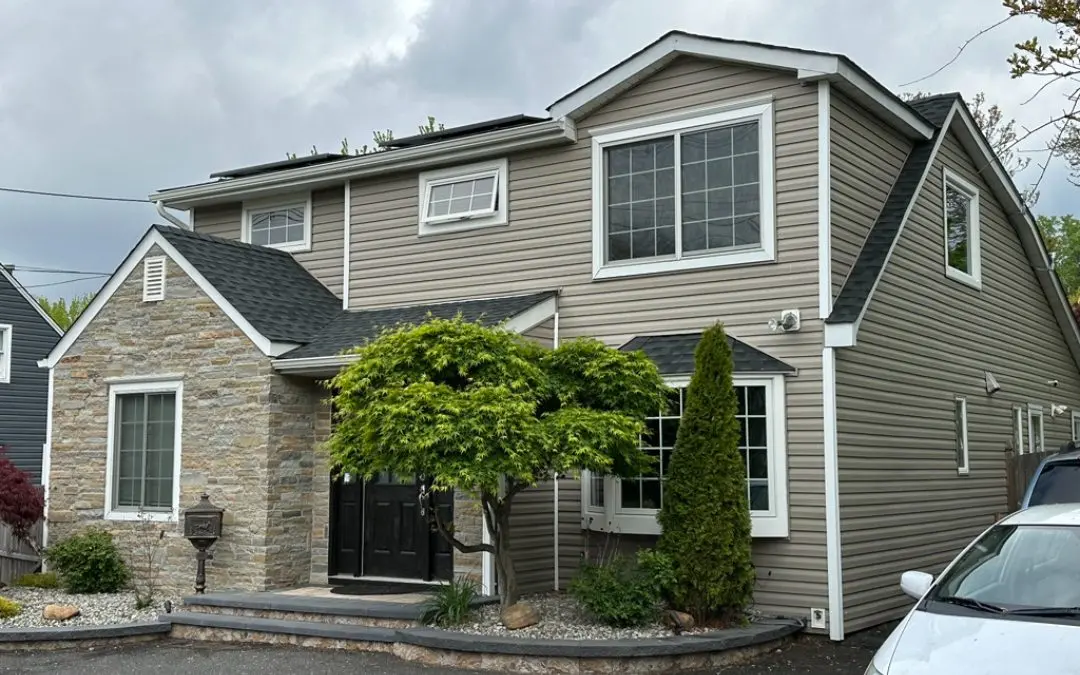
Your home’s vinyl siding is more than just a protective shell – it’s your home’s first impression. Over time, dirt, algae, mildew, and weather stains can dull that once-beautiful exterior, leaving it looking tired and neglected.
The good news? You don’t need a power washer or professional-grade cleaner to bring back that fresh, like-new shine. In this guide, you’ll learn the best way to clean vinyl siding step by step, using safe, affordable, and effective methods that every homeowner in New Jersey can easily follow.
Why Cleaning Vinyl Siding Matters
Think of your vinyl siding like your car’s paint job – it needs regular care to stay beautiful and last longer. Without cleaning, dirt buildup and mold can eat away at your siding’s surface, trapping moisture and causing long-term damage.
Here’s why it’s worth the effort:
- Boosts curb appeal: A clean exterior instantly makes your home look well cared for.
- Prevents costly damage: Regular cleaning prevents mold and mildew from staining or degrading your siding.
- Improves air quality: Removing mildew reduces allergens and bacteria near your home.
- Extends lifespan: Vinyl siding can last decades if it’s maintained properly.
In short, cleaning your siding isn’t just about looks – it’s about protecting your investment.
Common Signs Your Vinyl Siding Needs Cleaning
Before we dive into the best way to clean vinyl siding, here’s how to know when it’s time for a wash:
- Discoloration or green streaks: Usually caused by algae or mildew.
- Black spots: Mold growth often starts on shaded or damp areas.
- Dull, chalky appearance: Indicates built-up dirt and UV oxidation.
- Spider webs or pollen buildup: Common after spring or windy weather.
If you notice any of these, your siding is asking for some attention.
Tools and Materials You’ll Need
You don’t need to spend hundreds of dollars on equipment. Most homeowners already have what’s needed:
Basic Supplies
- Soft-bristle brush or long-handled cleaning brush
- Garden hose with adjustable nozzle
- Bucket (at least 2 gallons)
- Microfiber cloth or sponge
- Safety goggles and gloves
Cleaning Solutions (Choose One)
- Vinegar Solution:
- 70% water + 30% white vinegar
- Works great for removing light mildew and dirt.
- Mild Detergent Solution:
- 1/3 cup of dish soap per gallon of warm water
- Ideal for routine cleaning and grime buildup.
- Oxygen Bleach Mix:
- 1 cup of oxygen bleach per gallon of water
- Effective against deep mold and algae without damaging plants.
Pro Tip: Avoid using harsh chlorine bleach or abrasive cleaners – they can discolor or weaken your siding over time.
Step-by-Step: Best Way to Clean Vinyl Siding
Here’s the expert-recommended method to safely clean your vinyl siding and keep it looking brand new.
Step 1: Prep Your Space
Move any outdoor furniture, cover plants, and make sure all windows and doors are tightly closed. Turn off exterior electrical outlets if needed.
Why it matters: Preparation prevents water from entering unwanted areas and protects delicate landscaping from cleaning agents.
Step 2: Rinse Away Loose Dirt
Start with your garden hose to gently rinse the siding from top to bottom. This removes loose dust, pollen, and cobwebs.
Wizard’s Insight: This initial rinse saves time later – think of it as clearing your “marketing funnel” before conversion. The less friction, the better your results.
Step 3: Apply Your Cleaning Solution
Using a soft brush or cloth, apply your chosen cleaner to one section at a time. Always start from the bottom and work upward to avoid streaks.
Let the solution sit for 5–10 minutes, but don’t let it dry completely.
Tip: For stubborn mold or green algae, gently scrub using circular motions. Patience and light pressure go a long way.
Step 4: Rinse Thoroughly
Rinse each section immediately after scrubbing. Work from top to bottom this time so that all dirty water flows downward and away.
Ensure no soap residue remains – dried detergent can leave streaks or attract new dirt.
Step 5: Inspect and Touch Up
Once dry, inspect your siding under good light. If you still see stains near vents or under eaves, spot-treat those areas with your cleaning mix and rinse again.
Alternative: Using a Pressure Washer (With Caution)
Many homeowners assume that pressure washing is the best way to clean vinyl siding, but that’s not always true. When done incorrectly, it can force water behind the siding or cause cracks.
If you prefer to use one, follow these safety tips:
- Use a low-pressure nozzle (around 1300–1600 PSI).
- Hold the wand at least 3–4 feet from the siding.
- Spray horizontally, not upward, to prevent water infiltration.
- Avoid spraying near vents, windows, or electrical outlets.
Remember: You’re cleaning, not power-stripping your home!
Eco-Friendly Alternatives for New Jersey Homeowners
If you prefer a more sustainable approach, try these natural cleaning methods:
- White Vinegar & Water Mix: Excellent for mild stains and mold prevention.
- Baking Soda Paste: Ideal for spot-cleaning tough spots.
- Lemon Juice & Soap Solution: Adds a pleasant scent and cuts grime.
These methods are gentle on your siding, safe for pets, and eco-conscious – perfect for environmentally aware homeowners.
Mistakes to Avoid When Cleaning Vinyl Siding
Even with the best way to clean vinyl siding, a few common mistakes can undo your effort:
- Using undiluted bleach or strong chemicals
- Spraying directly upward with a pressure washer
- Forgetting to rinse thoroughly
- Cleaning under direct sunlight (causes streaks)
- Ignoring gutters and trim (dirt will run back onto the siding)
Avoid these, and your siding will thank you with a lasting shine.
How Often Should You Clean Vinyl Siding?
Ideally, you should clean your siding once a year. However, if your home is near trees, the coast, or heavy traffic, twice a year (spring and fall) is better.
Routine cleaning ensures dirt doesn’t have time to harden or spread, keeping your exterior bright year-round.
When Cleaning Isn’t Enough: Signs You Need Replacement
Sometimes, cleaning can only do so much. If you notice these signs, it may be time to consider replacing your vinyl siding:
- Warping, cracking, or bubbling
- Persistent mildew that returns quickly
- Faded or chalky color that won’t restore
- Increased energy bills from poor insulation
At this point, cleaning becomes a temporary fix – and replacement is the long-term solution.
Why New Jersey Homeowners Rely on Home Makeover LLC
When your siding is past its prime, you need a contractor who combines craftsmanship, integrity, and local expertise.
That’s where Home Makeover LLC stands out. With over 20 years of experience in siding replacement and installation across New Jersey, they’re not just improving homes – they’re transforming them.
Their team of VSI-certified installers ensures every project is handled with precision, professionalism, and pride. Whether you need vinyl, insulated, or James Hardie siding, they’ll help your home look beautiful and perform better for decades.
FAQs
What’s the best way to remove dirt and stains from vinyl siding?
The best cleaner for vinyl siding is mild dish soap mixed with water, applied with a soft-bristle brush, and rinsed with a garden hose. For mildew or algae, use a 30 percent vinegar and 70 percent water mix or oxygen bleach.
Can you pressure wash vinyl siding?
Yes, but it must be done carefully. Many siding manufacturers recommend avoiding power washing because high pressure can force water behind panels, cause damage, or create discoloration. If used, keep pressure low, avoid spraying upward, and stay away from seams, vents, and windows.
Is it okay to wash vinyl siding with a vinegar-water solution?
Yes, vinegar and water is safe for most vinyl siding when properly diluted. A common mix is 30 percent white vinegar and 70 percent water. It works best for light mildew, pollen, and surface dirt, but heavy algae may need oxygen bleach or a siding safe cleaner.
How do you remove green algae from vinyl siding?
To remove green algae, wet the siding first, apply a vinegar solution, oxygen bleach mix, or siding safe cleaner, scrub gently with a soft brush, and rinse completely. New Jersey homes near trees, shaded walls, and damp areas often need more frequent cleaning to stop algae buildup.
Can I use bleach to clean vinyl siding?
Diluted bleach can remove mold and mildew, but it should be used carefully. Never use straight bleach because it may discolor siding and harm plants. Oxygen bleach is usually safer for landscaping, and any cleaner should be tested on a small, hidden area first.
How often should vinyl siding be cleaned in New Jersey?
Most New Jersey homes should have vinyl siding cleaned once a year. Homes near trees, shaded lots, coastal air, high pollen, or heavy road dust may need cleaning twice a year, usually in spring and fall, before stains settle into the siding surface.
What are the black spots showing up on vinyl siding?
Black spots on vinyl siding are usually mildew growing on dirt, pollen, or moisture trapped on the surface. They often appear under eaves, porch areas, shaded walls, and places that do not dry quickly after rain. Cleaning removes the surface growth, but moisture control helps prevent its return.
Why does mold or algae keep coming back after cleaning?
Mold and algae usually return because the wall stays damp, shaded, or exposed to nearby trees and shrubs. Trim vegetation, improve airflow, clean gutters, redirect sprinklers, and wash problem areas before buildup becomes heavy. Cleaning alone may not solve the moisture source.
Do I need a permit to clean or replace vinyl siding in New Jersey?
You do not need a construction permit to clean vinyl siding. For siding replacement, requirements can vary by municipality and project type, so homeowners should check the local building department before work starts. New Jersey provides construction permit forms through the Department of Community Affairs.
Final Thoughts
Cleaning your vinyl siding isn’t complicated – it just takes the right approach, consistency, and care. By following this homeowner’s guide to the best way to clean vinyl siding, you’ll preserve your home’s beauty and protect your investment for years to come.
And when cleaning isn’t enough to restore your siding’s appeal, trust the experts at Home Makeover LLC for professional vinyl siding replacement in New Jersey.
Because your home deserves more than a makeover – it deserves a transformation built to last.

About the Author: Jeffrey W. Nero
Jeffrey W. Nero is a home improvement expert with over 20 years of experience serving homeowners in New Jersey. As the owner of Home Makeover™, Jeff combines quality craftsmanship with a deep understanding of local needs. From roofing and siding to deck remodels, Jeff has helped thousands of homeowners bring their visions to life. His commitment to excellence and customer satisfaction makes him a trusted partner in transforming homes across Central NJ.