 Call us today (732) 230-7552
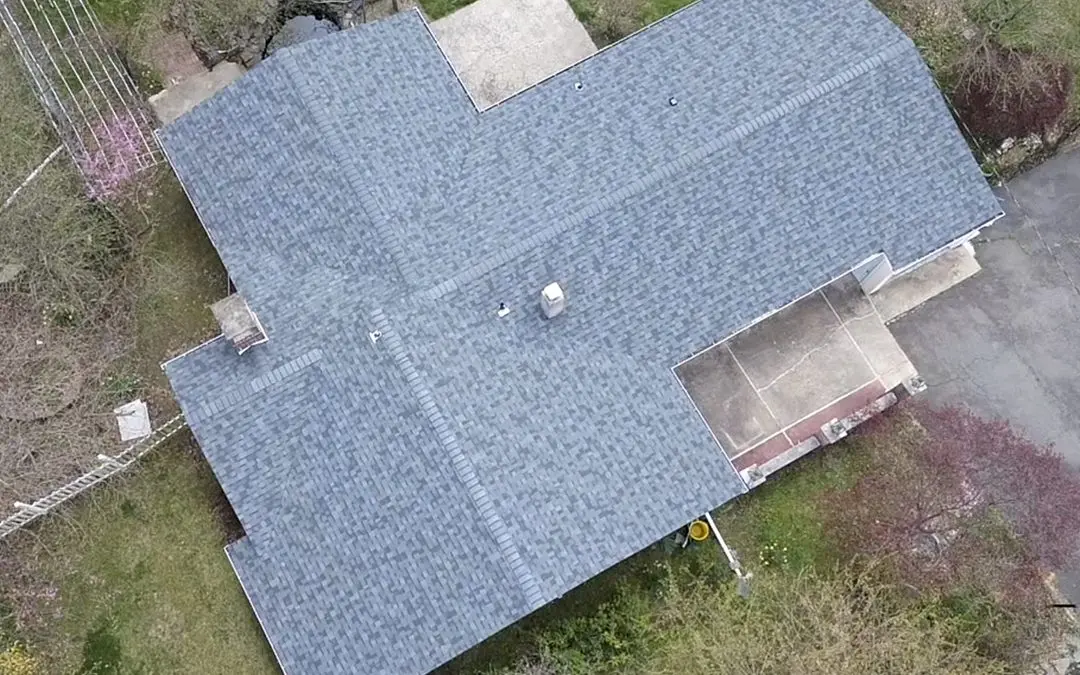
If you’re a homeowner in New Jersey, you’ve probably asked yourself this question at some point: Can you put new roof shingles over old ones? It seems like a quick, affordable solution to extend your roof’s life without the hassle of a full replacement.
But is it really a good idea? What do professional NJ roofing contractors think about it? Let’s dive deep into the pros, cons, local building rules, and expert tips to help you make the best decision for your home.
Understanding the Basics
Before we get into whether you should put new shingles over old ones, it’s important to understand what this process actually means.
Re-roofing, also known as “overlaying,” is when a new layer of shingles is installed directly over an existing one instead of tearing the old shingles off first.
It might sound simple, but the truth is – not every roof is suitable for this method. The structure, age, and condition of your current roof all play a big role in determining whether overlaying is safe or cost-effective.
Why Homeowners in New Jersey Consider Re-Roofing
New Jersey homeowners often face unpredictable weather – from heavy snow and rain to humid summers. This constant exposure can wear down shingles faster.
So, when shingles start curling, cracking, or losing granules, homeowners start exploring options.
Here’s why many NJ residents think about putting new shingles over old ones:
- Lower Cost – It’s cheaper because you skip the labor and disposal costs of removing old shingles.
- Faster Installation – A roofing crew can usually complete the job more quickly.
- Less Mess – No debris, no dump fees, and less disruption to your home.
- Short-Term Fix – Great for homeowners planning to sell soon or delay a full replacement.
While these advantages sound appealing, there are also serious downsides to consider.
The Drawbacks of Installing New Shingles Over Old Ones
When you ask, “can you put new roof shingles over old ones?” the honest answer is – yes, you can. But the better question is, should you?
Here are some reasons why roofing experts in NJ often recommend caution:
- Hidden Damage
You can’t see what’s happening beneath the old shingles. There could be moisture damage, rotting wood, or mold that continues to spread under the new layer. - Extra Weight
Roof structures are designed to hold a certain amount of weight. Adding a second layer of shingles can put stress on rafters and decking, especially during snowy NJ winters. - Shorter Lifespan
New shingles installed over old ones may not adhere properly, leading to reduced lifespan and poor performance. - Poor Ventilation
Re-roofing can trap heat and moisture, leading to ventilation problems and increased energy bills. - Aesthetics and Uneven Finish
If the old shingles are curled or damaged, the new layer won’t sit flat, leaving your roof looking uneven. - Building Code Limitations
In many New Jersey municipalities, local building codes limit roofs to two layers of shingles. Adding more may violate code and prevent you from passing inspection when selling your home.
How to Tell If Your Roof Can Handle Another Layer
Not all roofs qualify for a re-roofing project. Before making a decision, NJ homeowners should evaluate a few key factors.
Here’s a simple checklist to help you decide:
- Number of Existing Layers – If your roof already has two layers, adding a third is not allowed by code.
- Condition of Current Shingles – The old layer should be flat, secure, and free from major cracks or curling.
- Roof Deck Condition – The underlying decking must be strong and dry.
- Structural Support – Roof trusses and rafters must be able to handle the added weight.
- Age of the Roof – If the current roof is more than 20 years old, a complete replacement is the safer investment.
It’s always best to get a professional roof inspection before making a decision. Experienced contractors can assess your roof’s structure and tell you if overlaying is safe and worthwhile.
NJ Building Codes and Roofing Regulations
In New Jersey, building codes are strict when it comes to roofing. Most local ordinances follow the International Residential Code (IRC), which clearly states that a roof cannot have more than two layers of shingles.
If you already have one layer, adding another may be acceptable – but only if:
- The existing shingles are in good shape.
- There’s no trapped moisture or soft decking.
- The roof structure is sound and stable.
Violating local roofing codes could result in fines, denied permits, or even problems with your home insurance. That’s why it’s always wise to hire a licensed NJ roofing contractor familiar with regional requirements.
When It Makes Sense to Overlay Roof Shingles
There are a few situations where installing new shingles over old ones can make sense for NJ homeowners:
- Your Roof Has Only One Existing Layer
If your current roof is in decent shape and you’re just looking to refresh its appearance, this might work. - You Need a Short-Term Fix
If you plan to sell your home soon and want to boost curb appeal without a large investment. - The Existing Roof Is Structurally Sound
There should be no sagging, soft spots, or leaks in the roof decking. - Budget Is Tight
Overlaying can save you 20-40% compared to a complete tear-off, making it a budget-friendly temporary solution.
However, remember that re-roofing is not a long-term solution. It’s more of a temporary measure that can buy you time before committing to a full replacement.
When to Avoid Putting New Shingles Over Old Ones
Roofing experts across New Jersey agree – sometimes, a full roof replacement is the only responsible choice.
Avoid re-roofing if:
- Your roof has visible sagging or soft spots.
- There’s extensive water damage or rot under the existing shingles.
- Your shingles are badly curled, brittle, or missing.
- You want to install architectural or heavier shingles that need a solid base.
- You’re planning to stay in your home long-term – full replacement will save you money over time.
In these cases, adding new shingles won’t solve the underlying problems and may end up costing you more in repairs later.
The Step-by-Step Process If You Decide to Overlay
If you decide to go ahead and put new shingles over old ones, here’s what the process typically looks like:
- Inspection and Evaluation
A roofing contractor inspects your roof to ensure it’s suitable for an overlay. - Preparation
Damaged or loose shingles are nailed down or replaced to create a smooth surface. - Installing Underlayment (Optional)
Some roofers add a layer of underlayment to improve moisture protection. - Laying the New Shingles
New shingles are installed in a staggered pattern over the old layer. - Edge and Flashing Work
Metal flashing and edges are updated to prevent leaks. - Final Inspection
A final check ensures the shingles are secure, sealed, and properly aligned.
Even with proper installation, a roof overlay typically lasts 10-15 years, compared to 20-30 years for a full tear-off replacement.
Cost Comparison: Overlay vs. Full Replacement
| Roofing Option | Average Cost (per sq. ft.) in NJ | Lifespan (Years) | Pros | Cons |
|---|---|---|---|---|
| Overlay (Re-roofing) | $3.50 - $5.50 | 10-15 | Cheaper, faster, less mess | Shorter lifespan, may hide damage |
| Full Replacement | $6.50 - $9.50 | 20-30 | Long-lasting, fixes all issues | Higher upfront cost |
While re-roofing seems more affordable, it’s often a temporary fix. In most cases, a full replacement offers better value, safety, and long-term savings for NJ homeowners.
Expert Tips from NJ Roofing Contractors
Here’s what experienced roofing contractors in New Jersey want homeowners to know before deciding:
- Always get a roof inspection first. You need to know the condition of the decking and underlying materials.
- Don’t skip the ventilation check. Proper attic ventilation prevents heat buildup and moisture issues.
- Use lightweight shingles. If you’re adding a second layer, heavier shingles could strain the roof structure.
- Avoid re-roofing after major storms. Moisture might be trapped beneath the surface even if shingles look fine.
- Consider the resale impact. Home inspectors often note layered shingles, which could lower your home’s value.
Ultimately, professional advice is key. Every roof is different, and what works for one NJ home may not be suitable for another.
So, Can You Put New Roof Shingles Over Old Ones?
Yes – you can put new roof shingles over old ones in some cases. But that doesn’t mean it’s always the right choice.
If your roof is structurally sound, has only one layer, and you need a short-term solution, it can work. However, for long-term protection, energy efficiency, and peace of mind, a complete roof replacement is the smarter investment.
Final Thoughts
Roofing is one of the most important investments you’ll make in your home. If you’re unsure whether to re-roof or replace, it’s best to get professional guidance.
For expert roof inspections, honest advice, and top-quality workmanship, contact Home Makeover LLC – your trusted New Jersey roofing contractor specializing in roof replacements, shingle installations, and complete exterior makeovers.
Let Home Makeover LLC help you protect your home with a durable, beautiful roof built to withstand New Jersey’s toughest weather.

About the Author: Jeffrey W. Nero
Jeffrey W. Nero is a home improvement expert with over 20 years of experience serving homeowners in New Jersey. As the owner of Home Makeover™, Jeff combines quality craftsmanship with a deep understanding of local needs. From roofing and siding to deck remodels, Jeff has helped thousands of homeowners bring their visions to life. His commitment to excellence and customer satisfaction makes him a trusted partner in transforming homes across Central NJ.