 Call us today (732) 230-7552
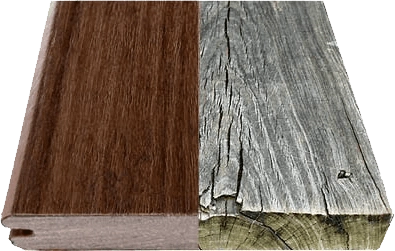
Outdoor living continues to grow in popularity across New Jersey. Homeowners are investing in backyard spaces that are functional, attractive, and built to handle four distinct seasons. One of the most common questions in 2026 is simple but important. When it comes to composite vs wood decking, which option is better for New Jersey homes
At Home Makeover LLC, we regularly guide homeowners through this decision. The answer depends on budget, maintenance expectations, design preferences, and long-term durability goals. Understanding the real differences between composite decking and wood decking helps you make an informed choice that adds value and comfort to your home.
Understanding Deck Materials: Composite vs Wood
When comparing deck materials, composite vs wood, it helps to start with what each material is made of.
Wood decking is typically built from pressure-treated lumber, cedar, redwood, or tropical hardwoods. These materials offer natural beauty and a traditional appearance.
Composite decking is manufactured from a blend of recycled wood fibers and plastic. The result is a durable board that resists moisture and insect damage. Some homeowners also compare composite vs pvc deck options. While composite contains wood fibers, PVC decking is made entirely from synthetic materials.
Both options can create beautiful outdoor spaces. The key difference lies in maintenance, lifespan, and long-term costs.
Composite vs Wood Decking in New Jersey Climate
New Jersey weather includes humid summers, freezing winters, heavy rain, and occasional coastal storms. These factors play a major role in the composite versus wood decking debate.
Wood expands and contracts with temperature changes. Over time, this can cause warping, cracking, or splintering if not properly maintained. Regular sealing and staining are required to protect wood surfaces.
Composite decking vs wood decking performs differently in heavy moisture environments. Composite boards resist rot and insect damage because they contain synthetic components. This makes them attractive for homeowners who want lower maintenance.
However, wood remains popular because it handles structural loads well and offers a natural look that some homeowners prefer.
Appearance and Design Flexibility
A major factor in composite deck boards vs wood is aesthetics. Wood provides authentic grain patterns and a warm, natural tone. Many homeowners appreciate the traditional feel of composite or wooden decking when entertaining outdoors.
Composite boards have improved significantly in recent years. Modern manufacturing techniques allow composite decking vs wood decking comparisons to be closer than ever in appearance. Composite boards are available in multiple colors and textures designed to mimic natural wood.
Hardwood vs composite decking comparisons often come down to preference. Hardwood offers rich tones and high-end appeal but requires more maintenance. Composite provides consistent color and fade resistance.
If you want a classic look and are willing to maintain it, wood may be ideal. If you prefer uniform color and less upkeep, the composite may be better.
Maintenance Requirements
Maintenance is one of the most important considerations in the composite vs wood decking conversation.
Wood decks require periodic staining, sealing, and cleaning. In New Jersey, many homeowners stain their decks every two to three years to protect against moisture and UV damage.
Composite decking vs wood decking stands out for lower maintenance needs. Composite boards do not require staining or sealing. Occasional cleaning with mild soap and water is usually sufficient.
When comparing composite versus wood decking, homeowners often choose composite because it reduces long-term maintenance time and cost. However, wood repairs are typically simpler and less expensive if a board becomes damaged.
Durability and Lifespan
Durability plays a major role in choosing deck materials, composite vs wood.
Pressure-treated wood decks often last 15 to 20 years with proper care. Hardwood decking can last longer but comes at a higher upfront cost.
Composite decking vs wood decking generally offers a longer lifespan, often 25 to 30 years or more, depending on product quality. Composite boards resist rot, insect damage, and moisture penetration.
When evaluating composite vs. PVC deck materials, PVC may offer even higher moisture resistance. In PVC vs. composite decking comparisons, PVC is lighter and fully synthetic, but composite often provides a more natural appearance.
Choosing between composite or wooden decking ultimately depends on how long you plan to stay in your home and how much maintenance you are willing to handle.
Cost Comparison in 2026
Cost is often the deciding factor in composite deck boards vs wood discussions.
Wood decking typically has a lower upfront material cost. This makes it appealing for homeowners with tighter budgets.
Composite decking vs wood decking usually costs more initially. However, when factoring in staining, sealing, and long-term maintenance, the overall cost difference may be narrowed over time.
Hardwood vs composite decking can show an even larger upfront gap. Tropical hardwoods are among the most expensive decking materials.
In 2026, many New Jersey homeowners are looking at total lifetime value rather than just initial price. This broader view often changes the outcome of the composite vs wood decking decision.
Environmental Considerations
Sustainability is increasingly important in 2026.
Composite decking often contains recycled materials, making it an appealing choice for environmentally conscious homeowners. However, it is still partially synthetic.
Wood decking is a renewable resource when sourced responsibly. The environmental impact depends on harvesting practices and the treatment of chemicals.
In composite versus wood decking comparisons, both options can be environmentally responsible if selected carefully. Asking about product sourcing and manufacturing standards is important.
Safety and Comfort
Surface temperature and traction are practical concerns.
Composite decking vs wood decking surfaces can both become warm in direct sunlight. Some lighter colored composite boards are designed to reduce heat absorption.
Wood may splinter over time, which can be a concern for families with children or pets. Composite boards generally provide smoother surfaces.
When comparing composite vs pvc deck materials, PVC often stays slightly cooler and is highly resistant to moisture. In PVC vs. composite decking decisions, comfort underfoot can influence the final choice.
Repair and Replacement
Over time, any deck may require repairs.
Wood boards are relatively easy to replace individually. This can be helpful if only a small section becomes damaged.
Composite deck boards vs wood may require matching specific product lines if repairs are needed years later. Color matching can sometimes be challenging.
Homeowners planning broader exterior upgrades often combine deck remodeling with other improvements such as siding installation, roof replacement, gutter repair, and window replacement. Coordinating these projects can enhance overall curb appeal and structural performance.
Which Is Better for Your New Jersey Home
So, in the composite vs wood decking debate, which is better
There is no single answer for every homeowner. Composite decking vs wood decking decisions depend on budget, desired appearance, maintenance tolerance, and how long you plan to remain in your home.
If you prefer a traditional look and lower upfront cost, wood may be a strong choice. If you value long-term durability and reduced maintenance, the composite may be more practical.
Comparing composite versus wood decking should involve reviewing samples, understanding warranty terms, and evaluating your specific property conditions.
Frequently Asked Questions
Is composite decking better than wood in New Jersey?
Composite decking vs wood decking often performs better in high moisture areas because it resists rot and insects. However, wood remains popular for its natural look and lower initial cost.
How long does a wood deck last in New Jersey?
With proper maintenance, pressure-treated wood decking typically lasts 15 to 20 years. Hardwood options may last longer.
Does composite decking fade over time?
Modern composite products are designed with UV resistance. While slight fading may occur, it is generally less noticeable than untreated wood.
What is the difference between a composite vs pvc deck?
The composite contains wood fibers and plastic, while PVC is fully synthetic. In PVC vs. composite decking comparisons, PVC may offer higher moisture resistance but can have a different appearance and cost.
Is composite more expensive than wood?
Yes, composites usually have a higher upfront cost. However, long-term maintenance savings can offset that difference over time.
Final Thoughts
Choosing between composite and wooden decking is a significant investment decision. Understanding the real differences between deck materials, composite vs wood, helps you balance cost, durability, and design goals.
At Home Makeover LLC, our exterior home remodelers focus on providing clear information so homeowners across New Jersey can make confident decisions about their outdoor living spaces.

About the Author: Jeffrey W. Nero
Jeffrey W. Nero is a home improvement expert with over 20 years of experience serving homeowners in New Jersey. As the owner of Home Makeover™, Jeff combines quality craftsmanship with a deep understanding of local needs. From roofing and siding to deck remodels, Jeff has helped thousands of homeowners bring their visions to life. His commitment to excellence and customer satisfaction makes him a trusted partner in transforming homes across Central NJ.