 Call us today (732) 230-7552
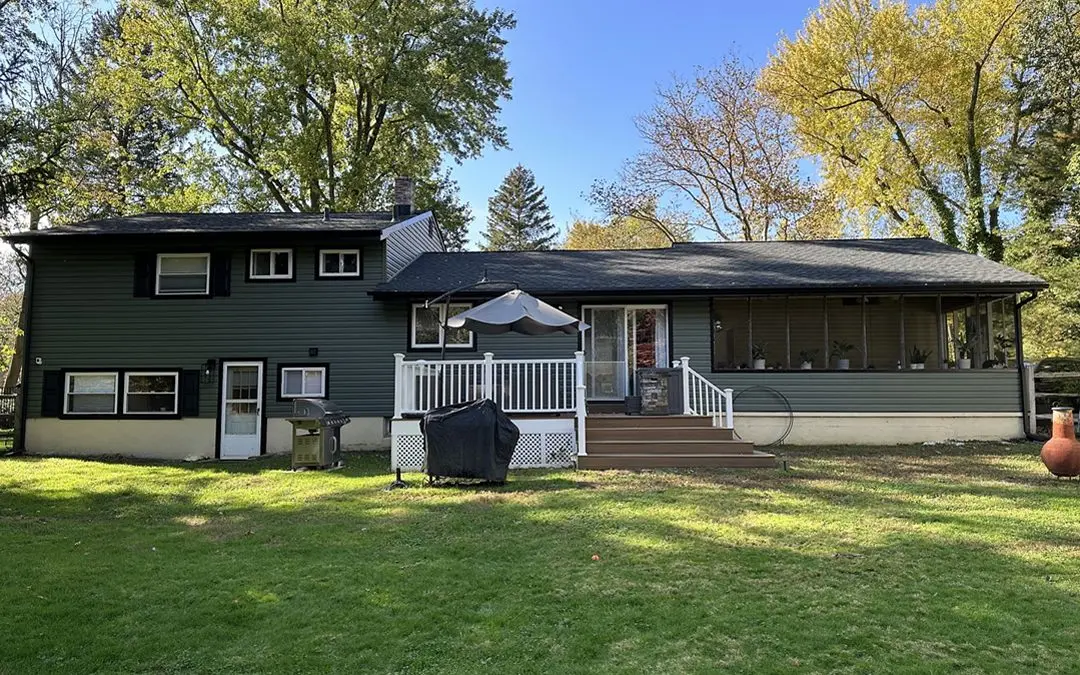
Deciding on the best siding for your home can be a challenging and confusing process. With so many options available, homeowners often wonder whether horizontal or vertical siding is the best fit. The right choice can impact your home’s curb appeal, durability, energy efficiency, and long-term maintenance costs. This guide walks you through everything you need to know, from design considerations to practical concerns, so you can make an informed decision.
Introduction: Why Siding Orientation Matters
Siding isn’t just a protective layer for your home – it’s a major part of its aesthetic identity. Horizontal or vertical siding choices influence how your home looks, how water runs off the exterior, and even how easy it is to maintain. Choosing the wrong orientation can make your home appear disproportionate, create extra maintenance challenges, and impact long-term costs.
Understanding Horizontal Siding
Definition and Styles
Horizontal siding involves installing panels or planks that run parallel to the ground. It’s the most traditional siding orientation and is commonly seen in classic, suburban homes. Popular styles include lap siding, clapboard, and bevel siding.
Pros of Horizontal Siding
- Classic, timeless look
- Often easier to install, reducing labor costs
- Naturally directs water away from the home, reducing moisture penetration
- Works well with a wide range of materials like vinyl, fiber cement, and wood
Cons of Horizontal Siding
- May show imperfections more prominently than vertical siding
- Can trap water behind the panels if installation or maintenance is poor
- Less modern appearance compared to vertical siding trends
Popular Materials for Horizontal Siding
- Vinyl: Affordable, low maintenance
- Fiber Cement: Durable, resistant to pests and rot
- Wood: Traditional aesthetic, requires more upkeep
Understanding Vertical Siding
Definition and Styles
Vertical siding features panels that run from top to bottom. It creates a taller, more contemporary appearance, making homes look higher and more dramatic. Styles include board-and-batten, flush panel, and channel siding.
Pros of Vertical Siding
- Modern, unique aesthetic
- Helps homes appear taller and more spacious
- Can better highlight architectural features
- Often better at shedding water in heavy rain
Cons of Vertical Siding
- Typically costs more due to labor-intensive installation
- May require more frequent inspection for water infiltration
- Can be less forgiving when covering imperfections
Popular Materials for Vertical Siding
- Fiber Cement: Excellent for vertical panels due to strength
- Wood: Great for natural, rustic appeal
- Metal: Sleek, modern look and durable
Design Considerations
Curb Appeal and Aesthetics
Horizontal siding conveys tradition, warmth, and familiarity, while vertical siding offers a modern, clean look. Think about your neighborhood, the style of your home, and your personal preference.
Architectural Styles and Siding Orientation
- Horizontal: Colonial, Cape Cod, Ranch
- Vertical: Modern, Contemporary, Barn-style
Color Choices and Visual Effects
Horizontal siding can make your home appear wider, while vertical siding can add height and drama. Mixing orientations on different sections can add visual interest.
Functional Considerations
Durability and Weather Resistance
Both siding orientations protect your home, but water management differs. Horizontal siding helps water shed naturally along the panels, while vertical siding requires tight seams to prevent water infiltration.
Energy Efficiency
Proper insulation behind either siding orientation can enhance energy efficiency. Consider adding a weather-resistant barrier and insulation for maximum results.
Maintenance Requirements
- Horizontal: Easier to wash, but may require repainting or touch-ups more often
- Vertical: Requires careful sealing at seams, but tends to show less dirt accumulation
Cost Considerations
Material Costs
Horizontal siding is generally less expensive due to easier production and installation, while vertical siding materials and labor can cost more.
Installation Costs
Vertical siding is labor-intensive, often requiring extra precision, increasing costs.
Long-Term Maintenance Costs
- Horizontal: Easy repairs, can replace individual planks
- Vertical: Repairs may require more expertise, but modern materials reduce long-term maintenance
Environmental Considerations
Sustainable Material Options
Fiber cement, recycled wood, and sustainably sourced wood are excellent eco-friendly options.
Climate-Specific Advice
- Wet climates: Ensure proper sealing for both horizontal and vertical siding
- Windy regions: Choose materials that resist impact and secure installation
Combining Horizontal and Vertical Siding
Many homeowners use a mix of orientations to highlight features. For example, horizontal siding for the main body and vertical for gables, porches, or accent walls. This creates a visually appealing, modern look while leveraging the functional benefits of both orientations.
Common Homeowner Concerns
Which Siding Hides Imperfections Better?
Vertical siding can disguise minor wall imperfections, while horizontal siding may highlight them.
Which Siding Is Easier to Clean?
Horizontal siding is generally easier to power wash or scrub due to its traditional layout.
How Long Will Each Siding Last?
Durable materials like fiber cement or treated wood can last 25–50 years, regardless of orientation, with proper maintenance.
Installation Tips
- Hire experienced contractors for vertical siding to ensure tight seams and water resistance
- Ensure the home exterior is prepped, cleaned, and leveled before siding installation
- Use quality fasteners and sealants for long-lasting performance
Mistakes to Avoid
- Choosing siding orientation solely based on trends
- Ignoring maintenance requirements for your chosen style
- Skipping professional inspections before installation
FAQs
Is it okay to use both horizontal and vertical siding on the same house?
Yes, mixing orientations can enhance visual appeal and highlight architectural features.
Which siding orientation is more weather-resistant?
Both can be weather-resistant if installed correctly, but vertical siding requires careful sealing at seams.
Is vertical siding more expensive than horizontal?
Typically, yes, because installation is more labor-intensive and requires precision.
How often should I inspect my siding?
At least once a year, and after major storms. Look for cracks, warping, or loose panels.
Can I install siding myself?
DIY is possible for horizontal siding with proper tools, but vertical siding is best installed by professionals.
Conclusion and Recommendation
Choosing between horizontal and vertical siding depends on your home’s style, your budget, and your long-term maintenance preferences. Horizontal siding offers a classic, easy-to-maintain look, while vertical siding gives a modern, striking appearance. Both can be durable and energy-efficient if installed correctly with quality materials.
If you’re ready to transform your home exterior and want professional guidance on siding replacement, trust Home Makeover LLC to deliver expert craftsmanship and exceptional results.

About the Author: Jeffrey W. Nero
Jeffrey W. Nero is a home improvement expert with over 20 years of experience serving homeowners in New Jersey. As the owner of Home Makeover™, Jeff combines quality craftsmanship with a deep understanding of local needs. From roofing and siding to deck remodels, Jeff has helped thousands of homeowners bring their visions to life. His commitment to excellence and customer satisfaction makes him a trusted partner in transforming homes across Central NJ.