 Call us today (732) 230-7552
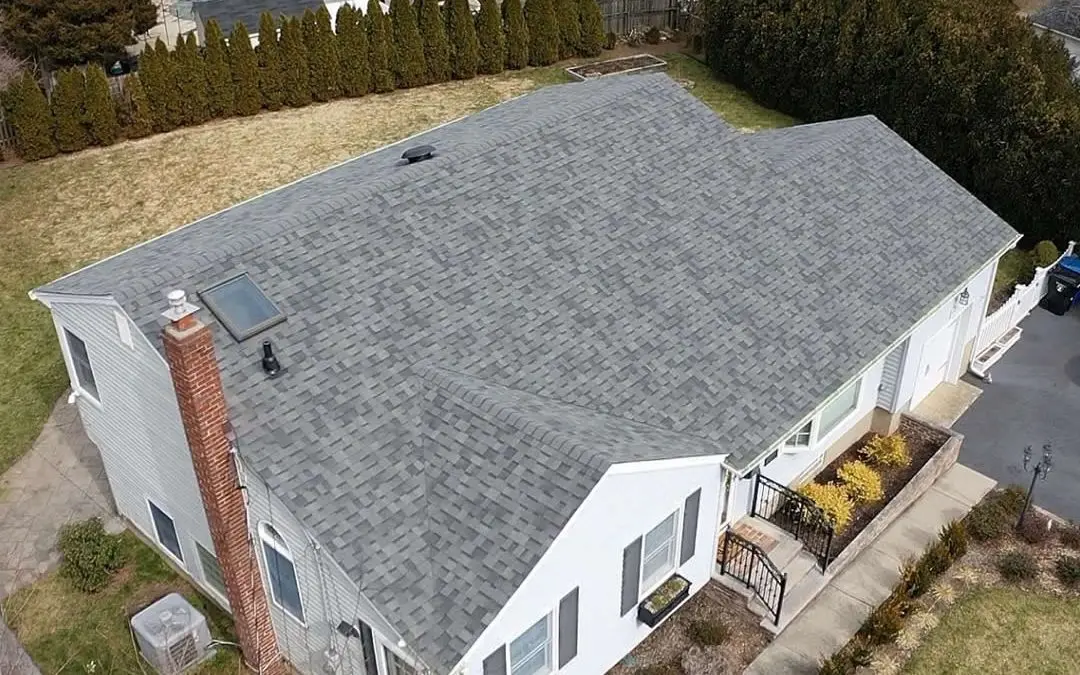
Maintaining a metal roof is one of the best ways to extend its lifespan, boost your home’s energy efficiency, and prevent costly repairs. For New Jersey homeowners, the challenge is even greater because the state goes through extreme temperature swings, salty coastal air, heavy snowstorms, occasional heatwaves, and unpredictable weather patterns. All of these can take a toll on a metal roof if it’s not cared for properly.
This guide breaks down how to maintain a metal roof in New Jersey’s constantly changing climate using simple, easy-to-follow steps. Whether you’re dealing with winter ice, summer humidity, or a sudden Nor’easter, this blog will help you protect your investment and keep your roof in top shape all year long.
Why Metal Roof Maintenance Matters in New Jersey
New Jersey may be a small state, but it experiences a wide range of weather conditions. The coastal areas face salty air and strong winds. Northern parts deal with snow loading. Summer brings humidity and algae growth. Fall is filled with leaf buildup and debris.
A metal roof is extremely durable, but without ongoing maintenance, even the strongest system can develop problems like:
- Rust and corrosion
- Loosened screws or fasteners
- Leaks around flashing
- Faded or damaged paint
- Moisture buildup
- Mold or algae growth
- Dents from hail or flying debris
Regular inspections and simple care steps will help you avoid costly damage and ensure your home stays protected through every season.
Seasonal Guide: How New Jersey Weather Impacts Metal Roofs
1. Winter: Snow, Ice & Temperature Drops
New Jersey winters can be tough. Heavy snow and ice can add weight, and freezing temperatures cause expansion and contraction of metal panels.
Common winter concerns:
- Ice dams
- Snow accumulation
- Cracked sealants
- Fastener loosening
- Leaks from melting snow
2. Spring: Rain & Strong Winds
Spring showers and wind gusts can expose weak spots on a roof.
Common spring issues:
- Leaks
- Loose panels
- Damage from falling branches
- Gutter overflow
3. Summer: Humidity & Heat
With high humidity and hot temperatures, summer can cause moisture buildup and potential fading of the roof’s finish.
Common summer concerns:
- Mold and algae growth
- Paint fading
- Thermal expansion noise
4. Fall: Leaves & Debris
Fall is one of the biggest maintenance seasons because debris buildup can trap moisture.
Common fall issues:
- Clogged gutters
- Blocked valleys
- Moisture retention
- Increased rust risk
Simple Steps on How to Maintain a Metal Roof in New Jersey
Below are practical, homeowner-friendly steps you can follow throughout the year.
1. Inspect Your Metal Roof Twice a Year
A regular inspection helps catch minor problems before they become expensive repairs. The best times for NJ homeowners are:
- Early spring (after winter damage)
- Late fall (before winter starts)
During your inspection, look for:
- Loose screws
- Rust spots
- Cracks in sealants
- Missing fastener caps
- Scratches on metal panels
- Discolored areas
- Damaged flashing
- Signs of leaks on ceilings
If you’re not comfortable climbing the roof, use binoculars from ground level or hire a professional.
2. Keep Gutters Clean
New Jersey homes with metal roofs often have tree coverage, especially in suburban areas. Leaves and debris can clog gutters and cause water to back up under the roof panels.
Keep your gutters clear by:
- Cleaning them at least twice a year
- Installing gutter guards if you live near trees
- Checking downspouts to ensure smooth water flow
Clean gutters reduce water damage, rust formation, and mold growth.
3. Remove Debris From the Roof Surface
Leaves, branches, and twigs often collect in roof valleys. If left for too long, they trap moisture and cause corrosion.
Use these methods to remove debris:
- A soft-bristle broom
- A leaf blower
- A long extension pole (to avoid walking on the roof)
Avoid using metal tools to prevent scratching the roof surface.
4. Wash the Roof Once or Twice a Year
Washing your metal roof helps remove dirt, algae, and pollutants. This is especially important in coastal NJ areas where salt air can accelerate corrosion.
How to clean your metal roof:
- Mix mild soap with water
- Use a soft sponge or soft-bristle brush
- Rinse with a garden hose
- Avoid pressure washing (it can push water under panels)
Regular washing keeps the roof looking new and helps maintain the protective finish.
5. Treat Rust Spots Immediately
If you see even a small patch of rust, address it quickly.
Simple rust treatment steps:
- Lightly sand the affected area
- Apply a metal roof primer
- Paint with a color-matched roof coating
Rust can spread rapidly in humid or coastal NJ climates, so prompt care is essential.
6. Check and Tighten Loose Fasteners
Metal roofs expand and contract with temperature changes. Over time, this can loosen screws and fasteners.
What to look for:
- Missing screws
- Rusted screw heads
- Loose panels
Tightening or replacing loose fasteners prevents leaks and wind uplift damage.
7. Inspect Flashing and Sealants
Flashing is one of the most common areas for leaks.
Check the flashing around:
- Chimneys
- Skylights
- Vents
- Roof edges
If sealant looks cracked, dry, or peeling, it’s time to reseal it.
8. Trim Overhanging Trees
Branches that hang over your roof can cause damage during storms and increase debris buildup.
Trim branches to:
- Prevent scratching
- Avoid falling limbs
- Reduce leaf accumulation
9. Reduce Metal Roof Noise
Metal roofs can make noise during heavy rain or sudden temperature shifts.
Noise reduction tips:
- Add insulation in the attic
- Check for loose panels
- Replace worn fasteners
- Install sound-deadening materials if needed
10. Prepare for Storms and Nor’easters
New Jersey is known for unpredictable storms. Preparing your roof before storm season is essential.
Storm preparation includes:
- Tightening loose screws
- Checking flashing
- Reinforcing loose panels
- Clearing gutters
- Removing tree branches
After a storm, do a quick visual inspection for dents, lifted panels, or debris.
Long-Term Maintenance Tips for New Jersey Homeowners
1. Repaint When Necessary
UV rays and salt air can fade the paint coating over time. Repainting adds an extra layer of protection against corrosion.
2. Apply Roof Coating Every Few Years
A high-quality coating can extend your roof’s lifespan by preventing rust and sealing tiny cracks.
3. Schedule Professional Inspections
Even if you inspect your roof yourself, having a professional check it every 2 -3 years ensures hidden issues don’t go unnoticed.
FAQs: How to Maintain a Metal Roof in New Jersey
1. When is the right time to inspect a metal roof?
Check it twice a year, with inspections scheduled for spring and fall. After major storms, do a quick check as well.
2. Can New Jersey’s coastal air damage a metal roof?
Yes, coastal homes face salt exposure, which increases the risk of rust. Regular washing and protective coatings help prevent corrosion.
3. Should I remove snow from my metal roof?
Light snow usually slides off, but heavy buildup should be removed using a roof rake to reduce stress on the structure.
4. Is it safe to walk on a metal roof?
Metal roofs can be slippery. It’s best to avoid walking on them unless necessary and always take safety precautions.
5. How long does a metal roof last in New Jersey?
A well-maintained metal roof can last 40 -70 years, depending on climate, maintenance, and material quality.
6. Will cleaning my gutters really help my metal roof?
Absolutely. Clean gutters prevent water from backing up and seeping under roof panels, which stops leaks and rust.
7. Should I repaint my metal roof?
Repainting is optional but recommended when the finish starts fading or peeling. It helps protect against corrosion.
8. What is the biggest maintenance challenge for NJ homeowners?
Sudden weather changes – especially snow, ice, and humidity – make seasonal inspections essential.
Final Thoughts
Maintaining a metal roof in New Jersey doesn’t have to be complicated. With regular inspections, seasonal care, clean gutters, and prompt repairs, your roof can stay strong and beautiful for decades. Following these simple steps will help you protect your home from unpredictable NJ weather and prevent expensive future repairs.
And if your metal roof is aging or showing serious damage, consider a professional evaluation. For reliable roof replacement services, Home Makeover LLC is a trusted choice for New Jersey homeowners.

About the Author: Jeffrey W. Nero
Jeffrey W. Nero is a home improvement expert with over 20 years of experience serving homeowners in New Jersey. As the owner of Home Makeover™, Jeff combines quality craftsmanship with a deep understanding of local needs. From roofing and siding to deck remodels, Jeff has helped thousands of homeowners bring their visions to life. His commitment to excellence and customer satisfaction makes him a trusted partner in transforming homes across Central NJ.