 Call us today (732) 230-7552
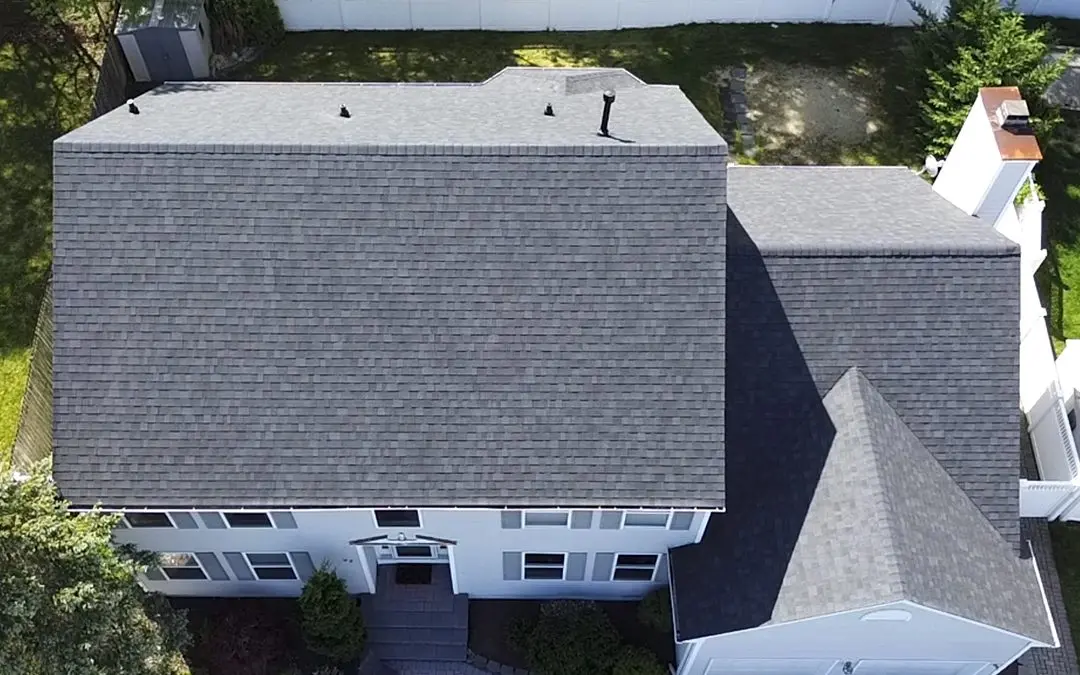
If you’re a New Jersey homeowner, you already know how unpredictable the weather can be. One day it’s warm and sunny, and the next day you’re dealing with heavy rain, strong winds, or unexpected snowfall. These sudden weather changes can take a toll on your home-especially your roof.
Understanding how to maintain roof in a climate like New Jersey’s is one of the best ways to protect your property, avoid expensive repairs, and extend the life of your roofing system. The good news? Roof maintenance doesn’t have to be complicated. Even simple tasks done at the right time can make a huge difference.
This guide breaks everything down into easy steps you can follow throughout the year.
Why Roof Maintenance Matters in New Jersey
New Jersey weather brings a mix of harsh winters, humid summers, strong winds, and plenty of rain. All these conditions impact your roof more than you might realize.
Here’s why regular maintenance is important:
- It helps prevent leaks early.
- It stops minor shingle damage from becoming major repairs.
- It increases your home’s energy efficiency.
- It protects your attic from mold and moisture.
- It extends the overall life of your roof.
- It saves you thousands in long-term repair or replacement costs.
When you understand how to maintain roof properly, you prevent damage before it starts.
Know Your Roof Type First
Before diving into the actual maintenance steps, take a moment to understand what type of roof you have. Most New Jersey homes use asphalt shingles, but some have flat roofs or wood shakes.
Each roofing material requires different care.
Common NJ Roof Types
- Asphalt shingles (most common)
- Architectural shingles
- Metal roofing
- Flat roofing (rubber, TPO, EPDM)
- Cedar shake
This blog focuses mostly on asphalt shingles because they’re the most popular, but many tips apply to all roof types.
1. Inspect Your Roof After Every Major Storm
Storms are common in New Jersey, especially during spring and late summer. High winds, flying debris, and heavy rain can damage shingles, gutters, and flashing.
Get into the routine of looking over your roof after:
- Thunderstorms
- Strong windstorms
- Nor’easters
- Hurricane-level winds
- Heavy snowfall
Look for signs such as:
- Missing shingles
- Cracked or curled shingles
- Granule loss
- Loose flashing
- Damaged gutters
- Branches on the roof
Even small issues can turn into leaks if ignored. Early detection is the key to knowing how to maintain roof efficiently.
2. Keep Your Gutters Clean
Clogged gutters are one of the biggest causes of roof damage in NJ. When water can’t flow freely, it backs up under your shingles and causes leaks.
Clean your gutters:
- At least twice a year
- After fall when leaves accumulate
- After storms
- If you notice water overflowing
Gutter problems to watch for:
- Sagging gutters
- Blocked downspouts
- Water pooling near your foundation
- Ice dams forming in winter
Clean gutters allow water to drain properly, reducing the risk of roof rot and interior water damage.
3. Cut Back Overhanging Tree Branches
New Jersey neighborhoods often have homes surrounded by mature trees. While beautiful, they can create risks for your roof.
Why trimming matters:
- Branches rub against shingles and wear them down.
- Leaves collect moisture, causing mold and rot.
- Falling limbs can cause serious roof damage.
- Animals use branches to access your attic.
If you want to learn how to maintain roof safely, keeping trees trimmed is one of the simplest, most effective steps.
4. Look for Moss, Algae, and Mold Growth
The humidity in New Jersey makes roofs especially vulnerable to algae and moss. While it might look harmless at first, it can weaken shingles over time.
Signs to look for:
- Dark streaks down your roof
- Green patches
- Soft, spongy shingles
- Damp areas that never seem to dry
How to handle growth safely:
- Use a gentle roof cleaning solution
- Avoid pressure washing (it damages shingles)
- Call a professional for thick moss buildup
5. Check Your Attic Regularly
Attic inspections are one of the most overlooked roof maintenance steps.
Sometimes, the first signs of roof damage appear inside your home-not outside.
What to check in your attic:
- Wet insulation
- Water stains or dark spots
- Musty odors
- Mold growth
- Light shining through roof boards
- Poor ventilation or trapped heat
A well-ventilated attic helps regulate temperature and reduces moisture buildup, both of which are important when learning how to maintain roof in NJ’s changing weather.
6. Monitor Flashing Around Chimneys and Skylights
Flashing is one of the most common places for roof leaks, especially in New Jersey homes with chimneys.
Check for:
- Loose metal pieces
- Cracked caulking
- Rust
- Gaps between flashing and shingles
Even a small gap in flashing can lead to a large leak during heavy rain.
7. Remove Debris Immediately
Debris buildup is common in New Jersey, especially after storms, windy days, or fall leaf drops.
Debris includes:
- Leaves
- Pine needles
- Branches
- Twigs
- Dirt
Debris traps moisture, damages shingles, and encourages algae growth. Clearing it regularly helps you maintain a healthier roof.
8. Check for Shingle Wear and Tear
The shingles act as the primary shield for your entire roof. If they fail, everything beneath them is at risk.
Signs of shingle damage:
- Cracked shingles
- Bald spots where granules are missing
- Soft or sagging areas
- Shingles lifting up or curling
- Discolored patches
If you find any of these issues, take action right away.
9. Look for Ice Dams in Winter
New Jersey winters can create ice dams-frozen ridges that stop melting snow from draining off the roof.
This causes water to collect under the shingles, eventually leading to leaks.
Prevent ice dams by:
- Ensuring gutters are clean before winter
- Improving attic insulation
- Maintaining good attic ventilation
- Removing snow early with a roof rake
10. Schedule Professional Roof Inspections
Even if you’re doing your own inspections, it’s smart to get a professional roof inspection once or twice a year.
Roofing experts can spot issues homeowners often miss, such as:
- Hidden moisture
- Weak spots
- Unsecured flashing
- Ridge vent problems
- Early shingle deterioration
Professional inspections can save you from surprising repair bills later.
11. Maintain Proper Attic Ventilation
Roof ventilation plays a huge role in roof longevity. Poor ventilation leads to heat buildup, moisture problems, and mold.
Good ventilation helps:
- Reduce energy bills
- Prevent shingle warping
- Stop attic condensation
- Improve AC efficiency
- Extend roof life
Knowing how to maintain roof includes optimizing both the exterior and the interior components.
12. Avoid Walking on the Roof
Many homeowners attempt to inspect their roof by climbing onto it. But walking on your roof can cause unnecessary damage, especially if shingles are older or brittle.
Instead, do roof checks from:
- The ground
- A sturdy ladder
- Your attic
- Photos or drone inspection (if available)
Leave rooftop walking to trained professionals.
13. Make Repairs Early-Don’t Wait
Small roofing problems rarely stay small. A tiny shingle crack today can become a major leak after one NJ thunderstorm.
If you notice any issues, fix them right away or call a roofing expert.
14. Prepare Your Roof for Every Season
New Jersey weather changes quickly, so your roof needs to be ready year-round.
Seasonal checklist:
Spring
- Check for winter damage
- Clear gutters
- Remove debris
Summer
- Inspect for heat damage
- Look for moss and algae
- Check attic ventilation
Fall
- Clean gutters thoroughly
- Trim tree branches
- Clear heavy leaves
Winter
- Keep an eye on ice dams
- Remove heavy snow safely
- Maintain attic insulation
The more consistent you are, the easier it becomes to master how to maintain roof throughout the year.
15. Know When It’s Time for a Replacement
Even the best-maintained roof won’t last forever. If your roof is 20 to 30 years old, it might be near the end of its lifespan.
Signs your roof needs replacement:
- Frequent leaks
- Missing shingles everywhere
- Sagging sections
- Mold in the attic
- High energy bills
- Repeated repairs that don’t solve problems
A professional roofer can evaluate whether a repair is enough or if a replacement is smarter in the long run.
Final Thoughts
Learning how to maintain roof in New Jersey weather doesn’t have to be stressful. With simple habits-like regular inspections, gutter cleaning, trimming trees, and watching for moisture-you can keep your roof strong, safe, and long-lasting.
If you ever notice damage, leaks, or wear and need expert help, Home Makeover LLC is the trusted New Jersey roofing contractor you can rely on for fast, professional roof repair or replacement.

About the Author: Jeffrey W. Nero
Jeffrey W. Nero is a home improvement expert with over 20 years of experience serving homeowners in New Jersey. As the owner of Home Makeover™, Jeff combines quality craftsmanship with a deep understanding of local needs. From roofing and siding to deck remodels, Jeff has helped thousands of homeowners bring their visions to life. His commitment to excellence and customer satisfaction makes him a trusted partner in transforming homes across Central NJ.