 Call us today (732) 230-7552
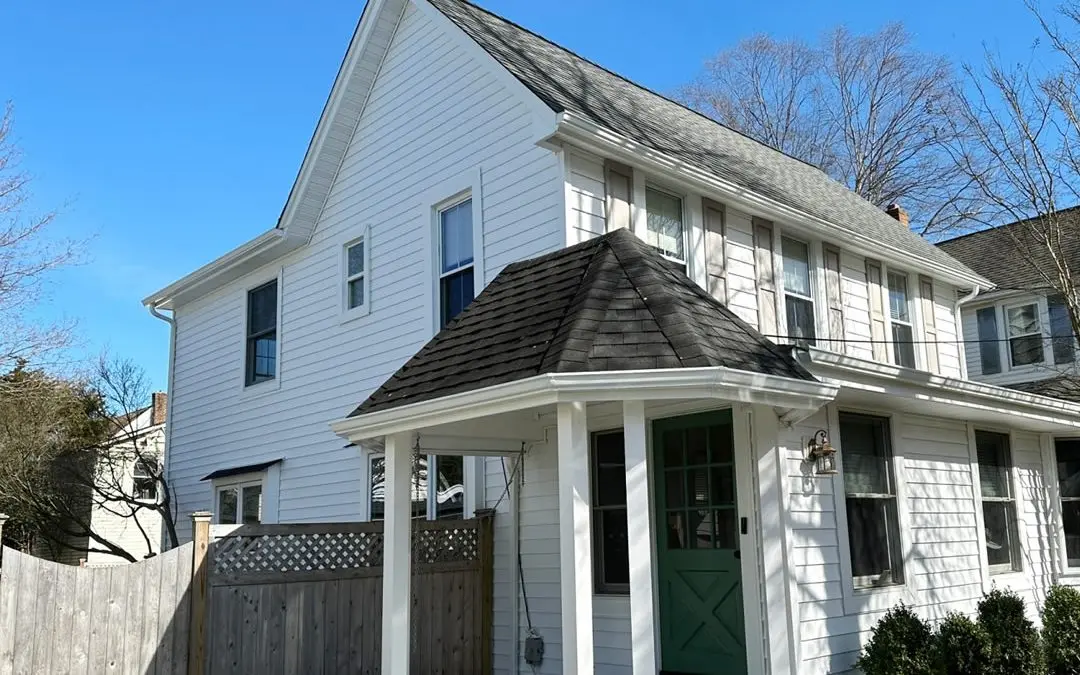
New Jersey homeowners deal with some of the most unpredictable weather in the country. One month brings freezing temperatures. The next brings intense humidity. Spring arrives with strong winds, and fall storms can hit without warning. With so many seasonal changes, choosing the right siding becomes a big decision.
That is why so many homeowners want to know: Is vinyl siding good for New Jersey weather?
The simple answer is yes. Vinyl siding is one of the most reliable and affordable choices for homes across New Jersey. It handles moisture, heat, cold and wind much better than many traditional materials. But like any home improvement decision, you should understand its strengths, limits and long-term benefits.
This guide breaks everything down in a simple and practical way so you can decide if this siding is the right choice for your home.
Understanding New Jersey Weather Challenges
New Jersey deals with a wide range of weather patterns throughout the year. Any siding you choose must handle all of these conditions:
- Heavy snow
- Freezing temperatures
- Hot and humid summers
- Constant moisture
- Salt air near coastal towns
- High winds during storms
- Occasional hail
- Sudden temperature swings
Because of this, many homeowners ask the same question: is this siding good for such a demanding climate?
Let’s take a look at how vinyl siding performs in each season.
Vinyl Siding vs New Jersey Winters
Winter in New Jersey is known for snow, ice and long stretches of freezing weather. Home exteriors face moisture, expansion and contraction, and pressure from snow buildup.
How Vinyl Performs in Winter
Vinyl siding is designed to handle winter conditions well.
- It does not absorb water
- It does not rot
- It does not warp or swell
- It stands strong against snow and ice
- It keeps its color even with cold exposure
Since this siding does not hold moisture, it lowers the risk of mold and mildew during the winter months.
Potential Winter Concerns
- Vinyl becomes stiffer in freezing temperatures
- Extremely strong impacts, like heavy ice, may crack older vinyl
- Poor installation can make winter damage more likely
When installed correctly, vinyl siding handles New Jersey winters with no issues for many years.
Vinyl Siding in Hot and Humid NJ Summers
Summer in New Jersey brings heat and humidity. These conditions can create problems for siding that absorbs moisture or heats up too quickly.
How Vinyl Performs in Summer
Vinyl siding is built to withstand heat.
- It resists fading
- It does not absorb moisture
- It prevents mold from forming
- It does not peel or bubble
- It stays rigid even with strong sunlight
Modern vinyl siding is created with UV-resistant coatings that help it keep its color and texture even in high temperatures.
Possible Summer Concerns
- Extremely dark vinyl colors can absorb more heat
- Incorrect installation may cause panels to expand without room to move
Most homeowners never face these issues when they choose certified installers and good quality siding brands.
Vinyl Siding in Coastal New Jersey
Many New Jersey homes are located near the shoreline. Salt air, moisture and strong winds can damage traditional siding materials.
Is Vinyl Siding Good for Coastal NJ Homes?
Yes. Vinyl siding performs especially well in coastal environments.
- It does not rust
- It does not corrode
- It stands up to salt exposure
- It handles constant moisture
- It does not need frequent repainting
Compared to wood siding, this siding is much easier to maintain near the beach. Wood absorbs moisture and can rot, while vinyl stays stable.
Vinyl Siding and New Jersey Rainstorms
New Jersey receives a lot of rain throughout the year. Water damage is one of the biggest concerns for homeowners.
How Vinyl Siding Responds to Heavy Rain
- Waterproof surface
- Does not swell
- Does not absorb water
- Protects the structure beneath it
- Maintains shape even during extended rain
This makes vinyl siding one of the top choices in areas with heavy yearly rainfall.
Vinyl Siding in High-Wind New Jersey Areas
Wind is one of the most common causes of exterior home damage. Storms in New Jersey can reach strong gusts that loosen or tear off weak siding.
How Vinyl Handles Wind
Modern vinyl siding is created to withstand high winds.
- Most brands are rated for winds up to 110 mph or more
- Locking panels keep pieces connected
- Flexible design helps the siding move without breaking
To ensure maximum protection, professional installation is important.
Is This Siding Acceptable for Energy Efficiency in New Jersey?
Energy efficiency is a major concern for residents across New Jersey. Winters are cold. Summers are hot. Utility bills rise quickly when your siding does not insulate well.
How Vinyl Siding Improves Energy Efficiency
Insulated vinyl siding offers:
- Better temperature control
- Reduced heat loss in winter
- Cooler indoor temperatures in summer
- Lower monthly energy bills
- Improved indoor comfort
If you want an energy boost, insulated vinyl siding is one of the most cost-effective choices.
Is This Siding Fine for Long-Term Savings?
Vinyl siding is one of the most affordable and low-maintenance siding options available.
Cost Benefits of Vinyl Siding
- Lower installation cost than fiber cement or wood
- Very low maintenance requirements
- No repainting
- No sealing
- Long lifespan
- Easy repairs
- Minimal cleaning needed
Most homeowners save thousands of dollars over the lifespan of their vinyl siding because of the reduced maintenance.
How Long Does Vinyl Siding Last in New Jersey?
Homeowners often ask how long vinyl siding lasts when exposed to years of changing NJ weather.
When installed correctly and maintained with periodic cleaning, vinyl siding can remain durable and attractive for decades.
- 25 to 40 years on average
- In some cases, even longer
This life expectancy is one of the biggest reasons vinyl siding remains popular across New Jersey.
Maintenance Tips for NJ Homeowners
While vinyl siding is low maintenance, a few simple habits help it last even longer.
Easy Maintenance Checklist
- Wash the siding once or twice a year
- Trim bushes or trees touching the siding
- Check for loose panels after major storms
- Avoid placing grills or heat sources too close
- Fix small issues quickly before they grow
These steps help keep your siding looking fresh and performing well.
When Is Vinyl Siding Not the Best Choice?
In some rare cases, vinyl siding may not meet specific needs.
It may not be ideal if:
- You want a siding that can be painted in the future
- You want the look of real wood grain
- You want a premium material like fiber cement
Even with these considerations, vinyl siding remains one of the best all around materials for most homes in the state.
FAQs
What are the downsides of vinyl siding?
Vinyl siding can crack from strong impacts, expand in extreme heat, and may not offer the premium look of real wood or fiber cement. Proper installation helps prevent most issues.
How long does vinyl siding really last?
Vinyl siding usually lasts about 25 to 40 years when installed correctly and cleaned regularly. High-quality products may last even longer with proper care.
Is vinyl siding good for New Jersey homes?
Yes. Vinyl siding is a strong choice for New Jersey homes because it handles rain, snow, humidity, coastal air, and temperature changes well.
Is it better to have wood or vinyl siding?
Vinyl siding is better for homeowners who want lower maintenance and lower cost. Wood siding offers a natural look but needs more upkeep, painting, and protection from moisture.
How much does it cost to vinyl side a 1,500 sq ft house?
In New Jersey, vinyl siding for a 1,500 sq ft house may cost around $5,000 to $18,000, depending on siding quality, home design, labor, trim work, and old siding removal.
Does vinyl siding hold up in coastal New Jersey?
Yes. Vinyl siding performs well near the shore because it does not rust, corrode, or absorb moisture from salt air like some other materials can.
Is vinyl siding energy efficient?
Standard vinyl siding offers basic protection, but insulated vinyl siding can improve comfort by reducing heat loss in winter and helping keep the home cooler in summer.
Is vinyl siding hard to maintain?
No. Vinyl siding is low maintenance. Most homeowners only need to wash it once or twice a year and check for loose panels after major storms.
Is Vinyl Siding Good for New Jersey Weather? Final Answer
If you are still wondering if vinyl siding is good for New Jersey weather, the answer is yes. It performs well in nearly every climate challenge NJ offers. It is durable, affordable, easy to maintain and made to handle snow, heat, humidity, rain and wind.
This siding is a great choice for almost every type of home in New Jersey when installed correctly and maintained properly.
Looking to Replace Your Vinyl Siding?
If you want high-quality, professional vinyl siding replacement in New Jersey, contact Home Makeover LLC. They are trusted by homeowners across the state and provide reliable siding solutions designed for New Jersey weather.

About the Author: Jeffrey W. Nero
Jeffrey W. Nero is a home improvement expert with over 20 years of experience serving homeowners in New Jersey. As the owner of Home Makeover™, Jeff combines quality craftsmanship with a deep understanding of local needs. From roofing and siding to deck remodels, Jeff has helped thousands of homeowners bring their visions to life. His commitment to excellence and customer satisfaction makes him a trusted partner in transforming homes across Central NJ.