 Call us today (732) 230-7552
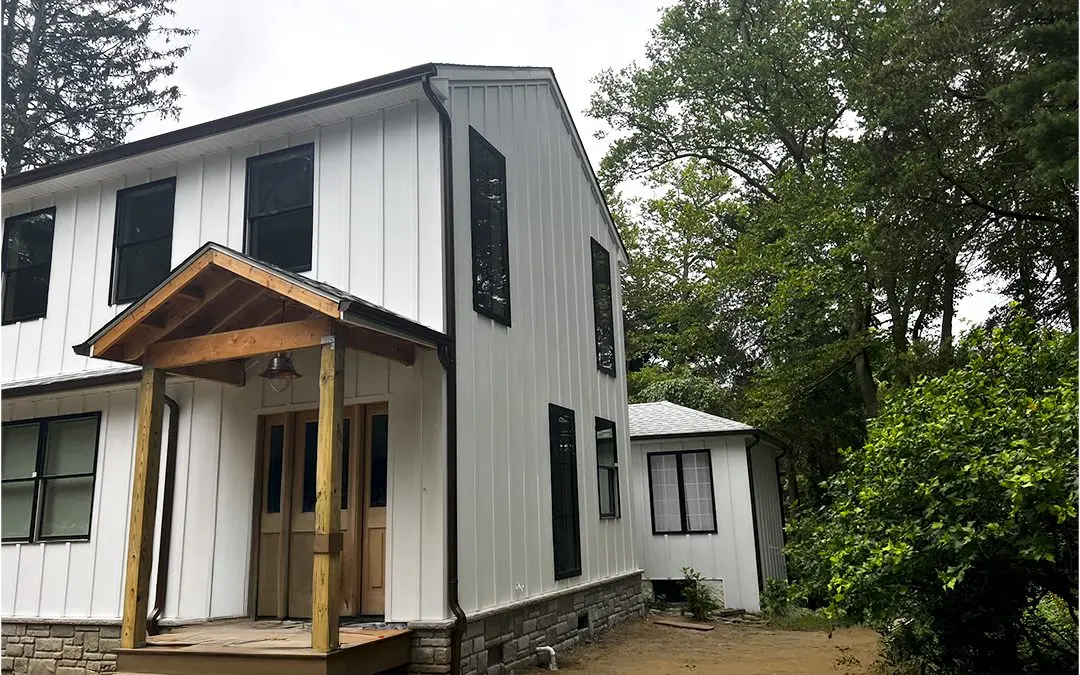
When homeowners choose fiber cement siding, they often expect long term durability, weather resistance, and strong curb appeal. One of the most popular materials today is James Hardie siding because it is engineered to withstand moisture, pests, and harsh climates.
However, even the highest quality materials can fail when installed incorrectly. Many issues that homeowners experience are not caused by the product itself but by installation errors. Understanding the most common James Hardie siding installation mistakes can help homeowners avoid costly repairs and ensure their siding performs as expected.
This guide explains the common James Hardie siding installation mistakes contractors sometimes make and why proper installation matters for long term performance.
1. Improper Clearance From the Ground
One of the most common fiber cement siding installation mistakes is failing to maintain the proper clearance between the siding and the ground.
James Hardie recommends specific spacing to prevent moisture absorption and water damage. If the siding sits too close to the soil, moisture can be absorbed over time, which may cause swelling or deterioration.
Contractors sometimes overlook this detail when trying to speed up installation. Over time, this mistake can lead to problems with James Hardie siding installations, including premature wear.
Maintaining proper spacing around foundations, landscaping, and walkways is essential for long-term durability.
2. Incorrect Nail Placement
Nailing technique is another area where installation errors with James Hardie siding frequently occur.
Fiber cement siding must be nailed at specific points to secure the boards without damaging them. Nails placed too high or too low can weaken the attachment and may cause boards to loosen over time.
This is one of the mistakes contractors make when installing James Hardie siding, when they do not follow manufacturer guidelines closely.
Incorrect nailing can eventually lead to visible gaps, shifting panels, or moisture penetration behind the siding.
3. Skipping Proper Flashing
Flashing is a critical component that protects vulnerable areas of a home from water intrusion.
When flashing is missing or installed incorrectly, water can seep behind the siding and damage the structure underneath. Many Hardie board siding installation mistakes occur around windows, doors, and roof intersections, where flashing should be installed carefully.
Skipping this step can result in long-term moisture issues and structural damage.
Proper flashing ensures water is directed away from the siding system and helps maintain the integrity of the wall assembly.
4. Poor Joint Sealing
Another common mistake involves improper sealing of joints between siding boards.
James Hardie siding expands and contracts slightly with temperature changes. If joints are not sealed correctly, water can penetrate between the boards.
Poor sealing is among the most common James Hardie siding installation mistakes seen in residential construction.
High-quality caulking and proper joint spacing are necessary to prevent moisture infiltration and maintain the appearance of the siding.
5. Ignoring Manufacturer Installation Guidelines
Every siding material comes with detailed installation instructions from the manufacturer. Ignoring these guidelines is one of the biggest problems with James Hardie siding installations.
Contractors sometimes rely on general siding experience rather than following the specific requirements for fiber cement siding.
This can result in various installation errors with James Hardie siding, such as improper spacing, incorrect fastening methods, or poor ventilation.
Following manufacturer recommendations ensures the siding performs as intended and maintains its warranty protection.
6. Improper Cutting Techniques
Fiber cement siding requires specialized tools and careful cutting methods.
Using the wrong tools can damage the material or create rough edges that affect the overall appearance. Dust control and precision cutting are important to maintain the integrity of the siding boards.
Improper cutting is a common mistake in fiber cement siding installation that can lead to visible defects and uneven finishes.
Professional installers typically use dedicated cutting tools designed specifically for fiber cement materials.
7. Inadequate Ventilation Behind Siding
Proper airflow behind siding panels helps prevent moisture buildup.
When contractors fail to allow for adequate ventilation, trapped moisture can accumulate behind the siding. Over time, this can contribute to mold growth or structural damage.
Ventilation issues are often overlooked, but they are among the most important problems in James Hardie siding installations and can affect long-term performance.
Correct installation ensures moisture can escape and the siding system remains stable.
8. Misaligned Siding Panels
Alignment is crucial for both structural performance and visual appearance.
When panels are installed unevenly or without proper measurements, the result may look inconsistent and unprofessional. Misalignment can also create gaps that allow water to enter behind the siding.
These types of bad Hardie siding installation errors often become noticeable soon after the project is completed.
Proper measurement tools and careful layout planning help ensure consistent alignment across the entire exterior wall.
9. Poor Weather Barrier Installation
A weather-resistant barrier is typically installed behind siding to protect the home from moisture infiltration.
If this barrier is missing or improperly installed, water may reach the underlying structure. This can cause long term damage to framing, insulation, and interior walls.
Many installation errors with James Hardie siding occur when contractors rush through this step or fail to seal seams properly.
A properly installed weather barrier works together with siding to create a durable exterior protection system.
10. Lack of Proper Training and Experience
The final mistake is simply a lack of specialized knowledge about fiber cement siding installation.
While many contractors install various siding materials, James Hardie products require specific training and installation methods.
Without the proper experience, contractors may unknowingly commit several Hardie board siding installation mistakes during the project.
Professional installers who understand the material are more likely to avoid these issues and ensure the siding performs well for many years.
Why Proper Installation Matters
Fiber cement siding is designed to last decades when installed correctly. However, many homeowners encounter issues not because of the material itself but because of bad Hardie siding installation practices.
Proper installation protects the home from moisture, improves energy efficiency, and maintains the appearance of the exterior.
When siding is installed correctly, it also complements other home improvement projects such as siding replacement, roof replacement, deck remodeling, gutter installation, and window replacement by creating a complete exterior protection system.
Choosing knowledgeable professionals and understanding the most common James Hardie siding installation mistakes can help homeowners avoid unnecessary repairs and ensure long-lasting performance.
Frequently Asked Questions
What are the most common James Hardie siding installation mistakes?
The most common issues include improper nailing, poor flashing installation, incorrect spacing from the ground, and inadequate joint sealing. These mistakes can lead to moisture problems and structural damage.
How long does properly installed fiber cement siding last?
When installed correctly, fiber cement siding can last thirty to fifty years or more. Proper installation and routine maintenance play a major role in its lifespan.
What causes problems with James Hardie siding installations?
Most issues occur due to improper installation techniques, such as poor flashing, incorrect fasteners, or a lack of ventilation behind the siding.
Can bad Hardie siding installation be fixed?
Yes, many problems can be corrected. However, repairs may require removing sections of siding and reinstalling them according to manufacturer guidelines.
Why is professional installation important for fiber cement siding?
Professional installers understand manufacturer specifications and building codes. This helps avoid fiber cement siding installation mistakes and ensures the siding performs properly.
Conclusion
Avoiding James Hardie siding installation mistakes is essential for ensuring your siding performs the way it was designed to. Many issues, such as moisture intrusion, loose panels, and premature wear, often come from installation errors rather than the material itself. By understanding the common James Hardie siding installation mistakes, homeowners can make more informed decisions when choosing a contractor and ensure their siding is installed according to proper guidelines. Working with professional exterior remodelers who understand the correct techniques for fiber cement siding can make a significant difference in the durability, appearance, and long-term performance of your home’s exterior. At Home Makeover LLC, the focus is always on proper installation practices that help homeowners protect their investment and maintain the beauty and reliability of their siding for years to come.

About the Author: Jeffrey W. Nero
Jeffrey W. Nero is a home improvement expert with over 20 years of experience serving homeowners in New Jersey. As the owner of Home Makeover™, Jeff combines quality craftsmanship with a deep understanding of local needs. From roofing and siding to deck remodels, Jeff has helped thousands of homeowners bring their visions to life. His commitment to excellence and customer satisfaction makes him a trusted partner in transforming homes across Central NJ.