 Call us today (732) 230-7552
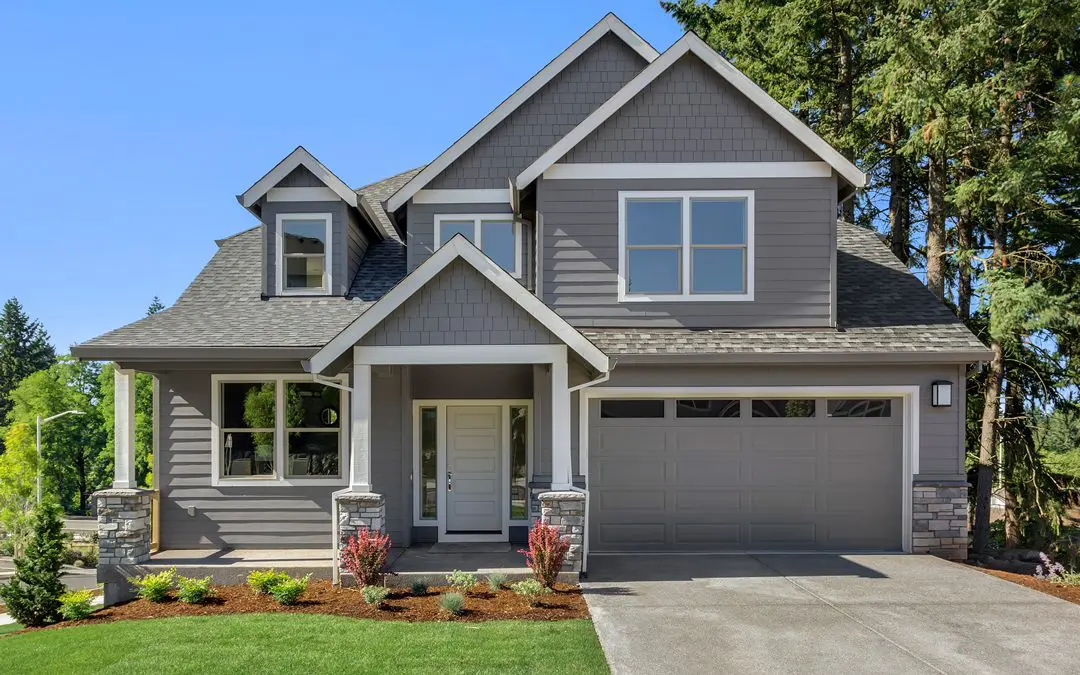
Is the outside of your home looking old, run down, or just plain ugly? Does the inside feel colder/warmer, or just not as comfortable as you would like? New siding is an excellent way to add lasting value, beauty and comfort to your house, especially when you turn to insulated vinyl siding for your home remodeling project.
As you consider the home upgrades you’d like, realize that insulated siding offers you an affordable, low-maintenance exterior that gives you confidence your property is protected while helping to save on your heating and cooling bills.
What Is Insulated Vinyl Siding?
Insulated siding is a popular choice for homeowners who desire to blend the convenient low maintenance of vinyl siding with strong resistance to the elements. Insulated siding combines the latest siding technologies with a high-performance insulating foam that keeps your house comfortably warm in winter and refreshingly cool in summer.
Insulated Siding: Does It Make a Difference?
When homeowners consider options for insulating their home against the elements, they initially think about traditional insulation, which is usually installed in sheets in the home’s walls and attic spaces. And while this technique is effective, it doesn’t fully prevent drafts that cause you to lose some energy efficiency and indoor comfort when the weather is hot or frigid.
One way to add extra protection against the outdoors is to use insulated vinyl siding. This additional layer of insulation makes homes more energy-efficient, helping to keep your indoor spaces more comfortable year-round. And the elimination of heat transfer between your interior and exterior lowers your energy use.
How Choosing Insulated Vinyl Siding Benefits Your Home
1. Energy Efficiency
The siding you select can make a tremendous impact on keeping your house efficient and insulated. Insulated vinyl siding covers key areas where heat can escape, including studs, which are otherwise not normally insulated. In addition, insulated vinyl siding is designed to offer added protection to areas that can be vulnerable to drafts, heat transfer and energy loss—such as around windows and doors. Insulated vinyl siding’s unique foam backing yields an R-value of R-3.0, which meets the requirements for Energy Star® homes. You can be confident that you’re getting great energy efficiency with insulated siding—and you’ll see it reflected in more manageable utility bills.
2. Strong Durability
With its foam backing, insulated vinyl siding stands up exceptionally well against the snow, ice, wind, rain and sometimes frigid temperatures of New Jersey winters. Mastic siding is also thick and sturdy, making it up to 300% more impact resistant to hail and debris than standard vinyl.
3. Stylish Appearance
Insulated vinyl siding comes in attractive, wide panels that look and feel like traditional wood siding. With wood grain texture, this siding can mimic the appearance of luxurious cedar, making your home stand out from the curb. A wide range of colors are available to create a customized look as well. As a result of this flexibility in design, insulated vinyl siding works well on any home architectural style.
4. Simple Maintenance
Homeowners love the low maintenance afforded by insulated vinyl siding. Vinyl is a lasting home remodeling material, resisting the moisture damage and rot that wood siding suffers. And unlike both wood and fiber cement, vinyl siding doesn’t need to be repainted, so you don’t have to budget time and money into painting it.
5. Resistance to Pests
One of the most frustrating issues faced by those who own older, historic homes is the frequency with which wood siding is damaged by pests. Insulated vinyl siding eliminates that problem with ease. Vinyl isn’t appealing to pests, so it doesn’t attract termites, carpenter ants and bees, woodpeckers, and even mice and other rodents that can be attracted to the moisture that infuses wood siding.
FAQs
Is insulated vinyl siding worth it?
Insulated vinyl siding can be worth the extra cost when you value greater panel rigidity, improved comfort, reduced thermal bridging, and lower maintenance. Energy savings alone may not justify the upgrade, so New Jersey homeowners should compare the added cost with their existing insulation and long-term plans.
Does insulated vinyl siding really work?
Yes. Insulated vinyl siding adds continuous foam insulation over exterior wall framing, helping reduce heat transfer through studs. It can improve wall thermal performance and indoor comfort, but it should supplement rather than replace proper attic insulation, wall insulation, air sealing, and efficient windows.
What is the R value of insulated vinyl siding?
Most insulated vinyl siding provides roughly R 2 to R 3, although values vary by product. ASTM standards require qualifying insulated vinyl siding to provide at least R 2. The exact tested R value should appear in manufacturer specifications and product labeling.
What are the disadvantages of insulated vinyl siding?
The main disadvantage is higher upfront cost compared with standard vinyl siding. It also provides only a modest increase in insulation and cannot correct major air leaks or inadequate attic insulation. Proper installation is important because flashing, moisture management, and fastening still determine long-term performance.
What is the difference between insulated vinyl siding and regular vinyl siding?
Insulated vinyl siding has contoured rigid foam attached behind the vinyl panel, while standard vinyl siding generally has a hollow space behind it. The foam increases thermal resistance, supports the panel, reduces flex, and can improve impact resistance and wall appearance compared with conventional vinyl.
Does insulated vinyl siding cause moisture problems?
Properly installed insulated vinyl siding should not create a moisture problem by itself. The wall assembly still needs correct flashing, drainage, weather-resistant barriers, and installation details. Research cited by building industry sources has found insulated siding capable of performing effectively in mixed humid climates.
How long does insulated vinyl siding last?
Quality insulated vinyl siding commonly lasts around 25 to 40 years when properly installed and maintained. Actual lifespan depends on product quality, installation, sun exposure, storms, maintenance, and other environmental conditions. New Jersey temperature changes, coastal exposure, and severe weather can influence long term performance.
Does insulated vinyl siding reduce outside noise?
Yes. The foam backing can absorb some sound energy and reduce the amount of outdoor noise entering through exterior walls. The improvement varies by wall construction, windows, insulation, and noise source, so insulated siding should be considered one component of a broader sound reduction strategy.
Do I need a permit to replace vinyl siding in New Jersey?
For most one- and two-family homes in New Jersey, installing or replacing conventional siding is generally classified as ordinary maintenance and does not require a construction permit. Polypropylene siding is an exception. Homeowners should still verify requirements with their local construction office before work begins.
Be Confident in Your Home Exterior with Insulated Siding
As you plan for home upgrades that add long-lasting value, be sure to consider the great results that insulated vinyl siding offers. Homeowners in New Jersey love insulated siding’s reliability. We’re a Certified Insulated Vinyl Siding company and you can count on us to do your vinyl siding installation properly, giving you top-notch results and protecting your home. Contact us to learn more, and start dreaming of how your home will stand out – and become more comfortable with new insulated vinyl siding.

About the Author: Jeffrey W. Nero
Jeffrey W. Nero is a home improvement expert with over 20 years of experience serving homeowners in New Jersey. As the owner of Home Makeover™, Jeff combines quality craftsmanship with a deep understanding of local needs. From roofing and siding to deck remodels, Jeff has helped thousands of homeowners bring their visions to life. His commitment to excellence and customer satisfaction makes him a trusted partner in transforming homes across Central NJ.