 Call us today (732) 230-7552
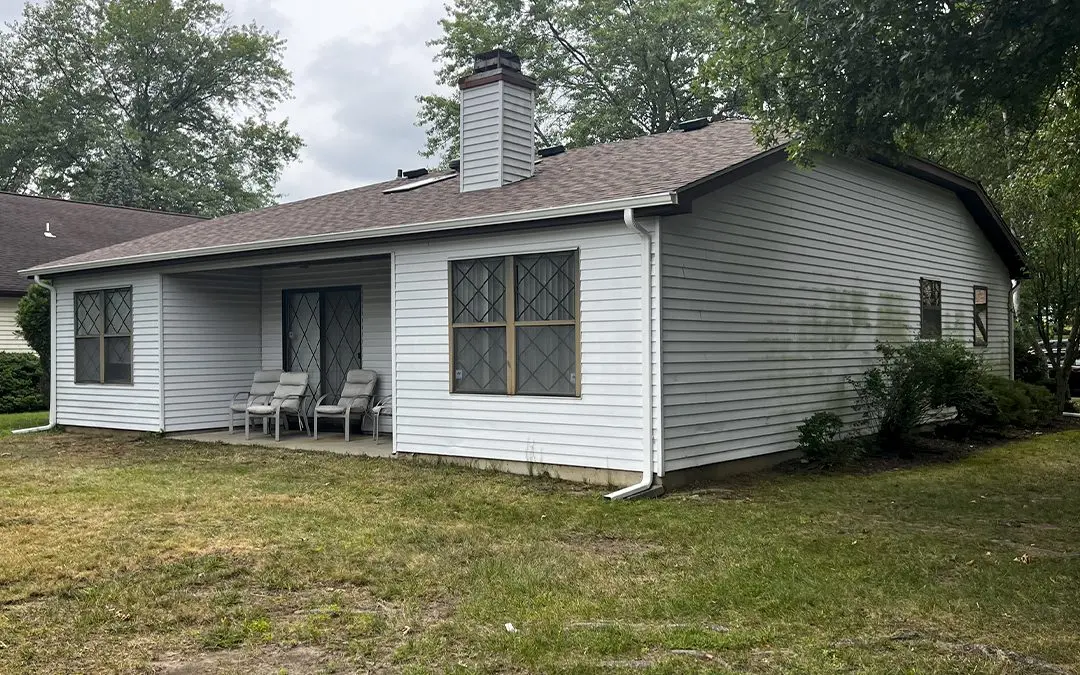
When homeowners face roofing issues, one of the most common and confusing decisions is choosing between re-roof vs roof replacement. Both options serve different purposes, come with different costs, and provide different levels of long-term protection. Choosing the wrong option can lead to unnecessary expenses, recurring damage, or a shortened roof lifespan.
This in-depth guide explains everything you need to know about re-roof vs roof replacement, so you can make the smartest decision for your home, budget, and long-term peace of mind.
Why This Decision Matters More Than You Think?
Your roof is not just a cosmetic feature. It is a critical structural component that protects your home from:
- Rain and moisture intrusion
- Wind and storm damage
- Heat loss and energy inefficiency
- Mold and mildew growth
- Structural deterioration
Making the wrong roofing decision can result in repeated repairs, higher utility bills, and premature roof failure. Understanding the difference between re-roof vs roof replacement helps you avoid these risks.
What Is Re-Roofing?
Re-roofing means installing a new layer of shingles over an existing roof without removing the old roofing materials. It is often referred to as a roof overlay.
How Re-Roofing Works?
- Existing shingles remain in place
- A new layer of shingles is installed on top
- No full tear-off is performed
- Underlying decking is not fully inspected
Re-roofing is usually faster and less expensive than a full replacement, but it comes with limitations.
When Re-Roofing Is an Option?
Re-roofing is only suitable under specific conditions. It may be a good choice if:
- There is just a single layer of shingles currently installed on your roof.
- There is no significant water damage or rot
- The roof deck is structurally sound
- Damage is mostly cosmetic or surface-level
- You want a short-term or budget-friendly solution
If these conditions are not met, re-roofing may create more problems than it solves.
Advantages of Re-Roofing
Re-roofing can be appealing for homeowners looking for a quick fix.
Benefits of Re-Roofing
- Lower upfront cost
- Faster installation time
- Less labor involved
- Minimal disruption during installation
For homes with relatively new roofs and minor wear, re-roofing can restore appearance and short-term functionality.
Limitations of Re-Roofing
While re-roofing may seem attractive, it has important drawbacks.
Common Re-Roofing Limitations
- Hidden damage remains undiscovered
- Existing problems can worsen over time
- Added weight on the roof structure
- Shorter lifespan compared to replacement
- Limited warranty options
Re-roofing does not allow contractors to inspect or repair the roof deck, which is where serious problems often begin.
What Is Roof Replacement?
Roof replacement involves removing all existing roofing materials and installing a brand-new roofing system from the deck up. This option provides a clean slate and maximum protection.
How Roof Replacement Works?
- Old shingles and underlayment are removed
- Roof decking is fully inspected
- Damaged wood is repaired or replaced
- New underlayment, flashing, and shingles are installed
Roof replacement is more comprehensive and provides long-term reliability.
When Roof Replacement Is the Best Choice?
In many cases, roof replacement is the safer and smarter option.
You should strongly consider roof replacement if:
- Your roof is 15 to 25 years old or older
- There are multiple leaks or water stains
- The roof has already been re-roofed before
- Shingles are curling, cracking, or missing
- You see sagging or structural issues
- You want long-term durability and value
Re-Roof vs Roof Replacement: Key Differences Explained
Understanding the core differences helps clarify which option fits your situation.
Cost Comparison
- Re-roofing has a lower upfront cost
- Roof replacement costs more initially but reduces future repair expenses
Re-roofing may save money today, but roof replacement often saves more over time.
Lifespan Comparison
- Re-roofing typically lasts 10 to 20 years
- Most roof replacements offer a lifespan of 20 to 50 years based on material quality.
A replacement delivers significantly longer protection.
Structural Protection
- Re-roofing does not address hidden damage
- Roof replacement identifies and fixes underlying issues
This makes roof replacement the better choice for long-term structural integrity.
Energy Efficiency
- Re-roofing offers minimal efficiency improvement
- Roof replacement allows insulation and ventilation upgrades
A new roof can help lower both heating and cooling expenses.
Warranty and Code Compliance
- Re-roofing may limit warranty coverage
- Roof replacement often meets updated building codes
Compliance is especially important for resale and insurance.
Cost Breakdown: What Homeowners Should Expect?
Costs vary based on roof size, materials, labor, and damage level.
Re-Roofing Cost Factors
- Lower labor hours
- Fewer materials used
- No tear-off or disposal fees
Roof Replacement Cost Factors
- Tear-off and disposal of old materials
- Deck repairs if needed
- New underlayment and flashing
- Higher labor investment
While replacement costs more upfront, it often prevents repeat expenses.
Long-Term Value Comparison
Choosing between re-roof vs roof replacement is not just about cost. It is about value.
Re-Roofing Value
- Short-term improvement
- Limited lifespan
- Higher chance of future repairs
Roof Replacement Value
- Long-term durability
- Improved energy efficiency
- Increased property value
- Fewer maintenance issues
Homeowners planning to stay long-term benefit more from replacement.
Impact on Home Resale Value
The roof is one of the first features that catches a buyer’s attention.
- Homes with new roofs attract more buyers
- Roof replacement increases buyer confidence
- Re-roofed homes may still raise inspection concerns
If selling is part of your future plans, roof replacement is often the better investment.
Safety and Structural Considerations
Re-roofing adds weight to your roof structure. Older homes may not be designed to support additional layers safely.
Roof replacement eliminates this risk and ensures structural safety.
Signs You Should Not Choose Re-Roofing
Re-roofing should be avoided if you notice:
- Soft or spongy roof areas
- Water stains on ceilings
- Mold or mildew in attic spaces
- Sagging rooflines
- Multiple layers already installed
These are indicators that replacement is necessary.
Climate and Weather Considerations
Homes in areas with:
- Heavy rainfall
- Snow loads
- Strong winds
- Extreme temperature changes
Benefit more from roof replacement than re-roofing. A full replacement offers stronger weather resistance.
Material Choices and Their Impact
Roof replacement allows you to upgrade materials.
Options include:
- Asphalt shingles
- Metal roofing
- Architectural shingles
- Energy-efficient roofing systems
Re-roofing limits your material options and flexibility.
Common Homeowner Scenarios
Scenario 1: Minor Wear, No Leaks
- The roof is under 10 years old
- No structural damage
- Cosmetic issues only
Re-roofing may be acceptable.
Scenario 2: Aging Roof With Leaks
- The roof is 20 years old
- Water stains inside the home
- Shingles are deteriorating
Roof replacement is the smarter choice.
Scenario 3: Planning to Stay Long-Term
- Homeowner plans to stay 10+ years
- Wants peace of mind
- Wants lower maintenance
Roof replacement provides better long-term value.
Frequently Asked Questions
Can I re-roof more than once?
Most building codes limit roofs to two layers. Roof replacement is mandatory if there are already two shingle layers in place.
Is re-roofing a temporary solution?
Yes. It should be viewed as a temporary solution, not a long-term fix.
Does roof replacement take longer?
Yes, but the additional time is essential for accurate inspection and quality installation.
Which option is better for insurance?
Insurers often recommend roof replacement because it minimizes risk and aligns with modern requirements.
Making the Final Decision
Choosing between re-roof vs roof replacement depends on:
- Roof age
- Structural condition
- Budget
- Long-term plans
- Local building codes
The most reliable way to decide is through a professional roof inspection.
Final Thoughts
When deciding between re-roof vs roof replacement, the cheapest option is not always the most practical. While re-roofing may work for newer roofs with minor wear, a complete roof replacement offers superior durability, long-lasting protection, and greater overall value.
For homeowners seeking a roofing solution that will protect their home for decades, a full roof replacement is often the smarter choice.
If you need professional roof replacement services in New Jersey, Home Makeover LLC delivers reliable workmanship, durable roofing systems, and expert exterior home remodeling solutions.

About the Author: Jeffrey W. Nero
Jeffrey W. Nero is a home improvement expert with over 20 years of experience serving homeowners in New Jersey. As the owner of Home Makeover™, Jeff combines quality craftsmanship with a deep understanding of local needs. From roofing and siding to deck remodels, Jeff has helped thousands of homeowners bring their visions to life. His commitment to excellence and customer satisfaction makes him a trusted partner in transforming homes across Central NJ.