 Call us today (732) 230-7552
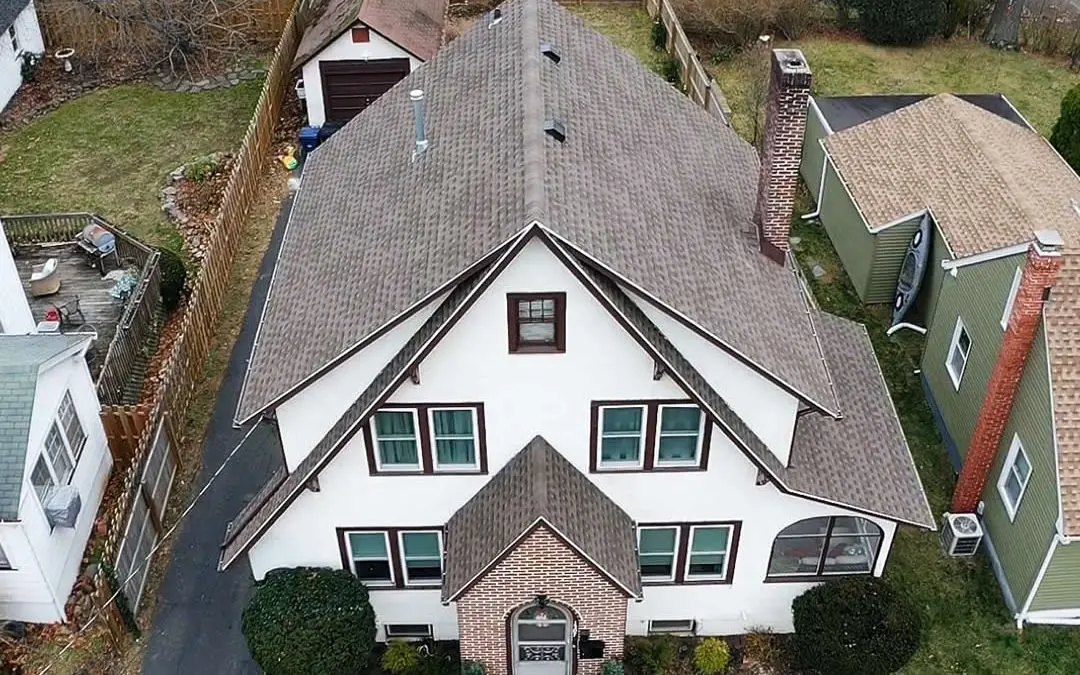
When it comes to buying a roof, the cost matters just as much as the quality. Your roof protects your home from rain, sun, snow, and wind. But did you know that the types of roofing materials you choose can make a huge difference in both performance and price?
In this guide, you’ll learn about affordable types of roofing materials that give you the best value without sacrificing durability. We break down the pros and cons, costs, lifespan, installation tips, and how to choose the best option for your home.
Let’s dive in.
Why Choosing the Right Types of Roofing Materials Matters?
The roof is one of the most important parts of your home. It safeguards your loved ones, your personal possessions, and the entire framework of your home. Choosing the right types of roofing materials affects:
- Upfront cost
- Maintenance cost
- Energy efficiency
- Durability
- Curb appeal
- Resale value
For homeowners on a budget, finding the balance between cost and quality is key.
How Much Should You Expect to Spend?
Roofing prices vary based on material, home size, and labor. Here’s a general idea:
| Roofing Material | Cost per Square Foot | Lifespan |
|---|---|---|
| Asphalt Shingles | $1.50 – $3.50 | 15–30 years |
| Metal Roofing | $3.50 – $7.50 | 30–60 years |
| Wood Shakes | $6.00 – $9.00 | 20-40 years |
| Concrete Tiles | $4.00 - $8.00 | 30-50 years |
| Clay Tiles | $5.00 - $10.00 | 50-100 years |
| Slate | $8.00 - $15.00 | 75-200 years |
These are approximate values and can change based on location and labor rates.
Most Affordable Types of Roofing Materials
If your focus is low cost without major sacrifices, below are the top performers.
Asphalt Shingles
Overview
Among all types of roofing materials available in the U.S., asphalt shingles remain the most popular and frequently installed option. They are popular because they are:
- Affordable
- Versatile
- Easy to install
Pros
- Cheapest roofing material on the market
- Wide variety of colors and styles
- Easy for roofers to install
- Good performance in most climates
Cons
- Shorter lifespan than premium materials
- Can crack in extreme heat or cold
- Not the best choice for luxury homes
Best For
- First-time homeowners
- Budget-conscious renovations
- Standard residential homes
Fiberglass Shingles
Overview
Fiberglass shingles are similar to asphalt but include a fiberglass mat for reinforcement.
Pros
- Lighter and stronger than basic asphalt
- Less prone to warping
- Often more fire-resistant
Cons
- Slightly more expensive than regular asphalt
- Still not as long-lasting as other materials
Best For
- Homeowners wanting affordable upgrades
- Areas with fluctuating weather
Rolled Roofing
Overview
Rolled roofing is one of the least expensive types of roofing materials available. It comes in long rolls and is typically installed on low-slope roofs.
Pros
- Extremely low cost
- Quick installation
- Works well for sheds, garages, and metal buildings
Cons
- Not long-lasting (5–10 years)
- Not suitable for steep or high-profile roofs
- Limited style options
Best For
- Temporary roofs
- Small structures
- Budget DIY projects
Metal Roofing (Budget Options)
Overview
Metal roofing may not seem “budget,” but there are cost-effective options, such as:
- Corrugated steel
- Aluminum panels
- Metal shingles
Pros
- Long lifespan
- Fire and wind-resistant
- Reflects heat, lowering cooling costs
Cons
- Higher upfront cost than asphalt
- Noise during rain without insulation
- Requires professional installation
Best For
- Long-term investment homes
- Energy-efficient roofing solutions
- Areas with severe weather
Wood Shingles (Lower-Cost Grades)
Overview
Wood shingles offer natural beauty and moderate pricing when compared to slate or tile.
Pros
- Attractive, rustic look
- Decent insulation properties
- Biodegradable and natural
Cons
- Requires more maintenance
- Can be susceptible to rot
- Not suitable for fire-prone areas
Best For
- Historic homes
- Homeowners wanting natural aesthetics
Synthetic Roofing Materials
Overview
Modern synthetic roofing imitates:
- Slate
- Wood shakes
- Tile
But at a fraction of the cost.
Pros
- Cheaper than real slate or tile
- Lighter and easier to install
- Some have long warranties
Cons
- Newer technology (quality varies by manufacturer)
- Not available everywhere
Best For
- Stylish roofing finishes on a budget
- Homes requiring lower maintenance
Modified Bitumen Roofing
Overview
This is a type of rolled roofing with added modifiers that improve strength and flexibility.
Pros
- Durable for flat or low-slope roofs
- Easy to repair
- Affordable
Cons
- Not visually appealing
- Limited to roofs with little pitch
Best For
- Garages and commercial buildings
- Low-slope residential roofs
EPDM Rubber Roofing
Overview
EPDM is a synthetic rubber roofing option, commonly used on flat or low-sloped roofs.
Pros
- Very low cost
- Easy and fast installation
- Good waterproofing performance
Cons
- Black surface gets hot
- Not suitable for sloped roofs
- Limited aesthetics
Best For
- Sheds
- Garages
- Commercial spaces
Asphalt Roll Roofing with Granules
Overview
An upgrade to basic rolled roofing, this includes mineral granules for better protection.
Pros
- Affordable
- Better UV protection than basic rolled roofing
Cons
- Still not as durable as shingles or metal
- Can look cheap on larger homes
Best For
- Budget residential roofing
- Secondary buildings
Recycled Shingle Roofing
Overview
Some companies manufacture shingles using recycled materials, including rubber or plastic.
Pros
- Eco-friendly
- Sometimes cheaper than premium shingles
- Good performance
Cons
- Not as widely available
- Quality varies
Best For
- Eco-conscious homeowners
- Budget replacements
How to Choose Between These Affordable Types of Roofing Materials?
Choosing the right roof depends on your priorities. Ask yourself:
1. What’s Your Budget?
- Tight budget? Asphalt shingles or rolled roofing
- Mid-range? Fiberglass or budget metal
- Long-term investment? Metal or synthetic
2. What’s Your Climate Like?
- Hot climates: Metal or reflective shingles
- Cold climates: Fiberglass or thicker asphalt
- Windy areas: Metal or high-grade shingles
3. How Long Do You Plan to Stay?
- Short term (5–10 years): Budget asphalt or rolled roofing
- Long term (20+ years): Metal, synthetic, or upgraded asphalt
Installation Matters: DIY or Professional?
Some roofing materials are easier to install yourself, but many require professional expertise. Here’s why:
DIY Roofing Works For:
- Rolled roofing
- Simple asphalt shingles on small roofs
Professional Installation Is Best For:
- Metal roofing
- Complex roofs
- Weather-sensitive materials
Incorrect installation can shorten roof life, void warranties, and increase costs.
How Roofing Material Affects Energy Bills?
The types of roofing materials you choose can impact how much you pay to heat or cool your home.
Cool Roofing Materials
- Reflect sunlight
- Reduce heat absorption
- Lower cooling costs
Examples include:
- Light-colored asphalt shingles
- Metal roofing with reflective coatings
Insulating Roof Options
- Wood shakes
- Synthetic slate
- Fiberglass shingles
These help stabilize temperatures inside your home.
Roofing Maintenance Tips on a Budget
To get the most life from your affordable roofing material:
Regular Inspections
Check for:
- Loose shingles
- Cracks or damage
- Flashing issues
Clean Gutters
Clogged gutters can trap water and damage roofing edges.
Trim Nearby Trees
Branches can scratch or dent roofs and drop debris.
Replace Damaged Pieces Promptly
Small problems become costly fast.
Common Roofing Mistakes Budget Homeowners Make
Avoid these costly errors:
- Picking the cheapest option without checking quality
- Skipping proper ventilation
- Ignoring local building codes
- Installing without professional help (when needed)
Roofing Warranties: What to Expect?
Roofing materials come with warranties, but they vary:
Material Warranty
Covers defects in the roofing product itself.
Workmanship Warranty
Covers installation issues. This is often offered by roofers, not manufacturers.
Manufacturer vs Installer Warranty
Always compare before buying.
Comparing Cost vs Value – What to Know?
Lowest price doesn’t always mean best value. Sometimes spending a little more up front saves thousands in repairs later.
To evaluate value, ask:
- How long will it last?
- How much maintenance is needed?
- Will it increase resale value?
- Does it improve energy efficiency?
Quick Comparison – Affordable Roofing Materials at a Glance
| Material | Approx Cost | Lifespan | Best Feature | Best Use |
|---|---|---|---|---|
| Asphalt Shingles | $$$ | 15-30 yrs | Cheapest | Standard homes |
| Fiberglass Shingles | $$$ | 20-30 yrs | Light & durable | Most climates |
| Rolled Roofing | $$ | 5-10 yrs | Cheapest install | Garages/sheds |
| Budget Metal | $$$$ | 30-60 yrs | Long life | Whole homes |
| Synthetic Roofing | $$$$ | 30-50 yrs | Stylish + light | Designer look |
| EPDM Rubber | $$ | 10-20 yrs | Waterproof | Flat roofs |
($ = less expensive, $$$$ = more expensive)
Final Thoughts
Choosing the right types of roofing materials doesn’t have to be overwhelming. Whether you want the most affordable option available or a material that holds up for decades, there’s a solution for every budget. The key is to balance cost, durability, style, and maintenance.
If you’re planning a roof installation or need expert advice on the best roofing materials for your home, trust the professionals. For reliable roof replacement services in New Jersey, contact Home Makeover LLC – your local trusted roofing experts.

About the Author: Jeffrey W. Nero
Jeffrey W. Nero is a home improvement expert with over 20 years of experience serving homeowners in New Jersey. As the owner of Home Makeover™, Jeff combines quality craftsmanship with a deep understanding of local needs. From roofing and siding to deck remodels, Jeff has helped thousands of homeowners bring their visions to life. His commitment to excellence and customer satisfaction makes him a trusted partner in transforming homes across Central NJ.