 Call us today (732) 230-7552
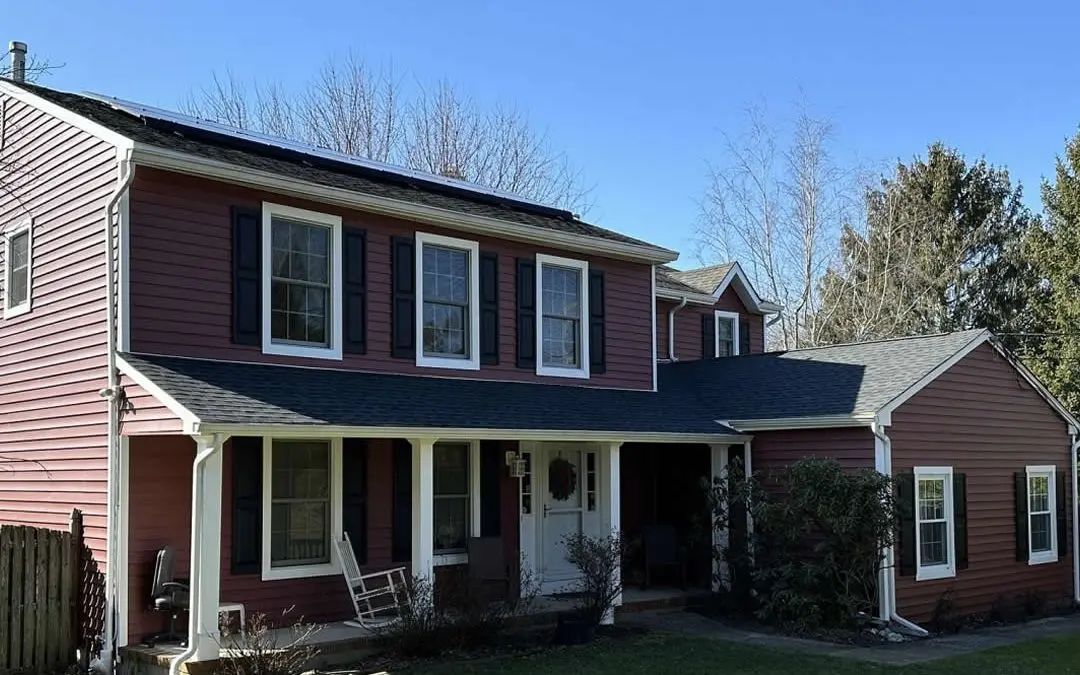
Choosing the right siding in New Jersey isn’t just about curb appeal. It’s about finding a material that can handle unpredictable storms, icy winters, salt air near the coast, humidity in the summer, and constant temperature swings.
The wrong siding can crack, warp, rot, or fade long before its promised lifespan.
The right siding can protect your home for decades with minimal maintenance.
This guide breaks everything down simply so NJ homeowners can make a confident choice.
Why New Jersey’s Climate Matters So Much
New Jersey sits in a climate zone that brings a little bit of everything:
- Cold, snowy winters
- Hot, humid summers
- Nor’easters and strong winds
- Heavy rainstorms
- Coastal moisture and salt exposure
- Freeze-thaw cycles that stress exterior materials
Because of these conditions, durability and weather-resistance are more important here than in many other states.
This is where the debate of vinyl siding vs Hardie board becomes important for homeowners.
Understanding the Two Siding Materials
What Is Vinyl Siding?
Vinyl siding is a lightweight plastic exterior cladding popular because of its affordability and ease of installation. It’s also available in many colors and styles, making it a flexible option.
Key Advantages:
- Budget-friendly
- Low maintenance
- Won’t rot
- Easy to install or replace
- Huge variety of colors and textures
Common Concerns:
- Can warp or melt under extreme heat
- May crack in extremely cold conditions
- More vulnerable to wind damage
- Fades over time depending on quality
What Is Hardie Board (Fiber Cement Siding)?
Hardie Board is a durable fiber-cement siding crafted from a blend of cement, sand, and reinforced cellulose materials. It’s known for strength and durability, especially in tough climates.
Key Advantages:
- Extremely durable
- Resistant to fire, pests, and moisture
- Handles temperature swings well
- Looks like real wood
- Long lifespan with proper maintenance
Common Concerns:
- Higher cost
- Heavier and more challenging to install
- Needs periodic painting
- Labor cost is higher because of installation complexity
How Both Siding Types Perform in New Jersey Weather
Here is where things get interesting. Let’s break down performance based on the specific challenges NJ homeowners face.
1. Performance in Winter Cold & Freeze-Thaw Cycles
New Jersey winters are sharp, icy, and unpredictable. Siding must expand and contract without breaking.
Vinyl Siding
- Can become brittle in extreme cold
- Impact from hail or debris may cause cracks
- Not great at handling freeze-thaw cycles
Hardie Board
- Stays stable in cold temperatures
- Won’t crack due to winter impacts
- Freeze-thaw cycles don’t affect it much
Winner: Hardie Board performs far better in winter conditions.
2. Handling Heat & Sun Exposure in Summer
While NJ isn’t the hottest state, summers can get humid and sunny.
Vinyl Siding
- May warp when exposed to high heat
- It can fade if exposed to the sun constantly
- Reflects heat well but not always uniformly
Hardie Board
- Holds shape even in very hot temperatures
- Paint may fade over time, but won’t warp
- Offers better overall heat resistance
Winner: Hardie Board again is more stable and long-lasting.
3. Humidity & Moisture Protection
New Jersey summers include heavy humidity, thunderstorms, and moisture buildup.
Vinyl Siding
- Doesn’t absorb water
- But moisture can get trapped behind it if not installed perfectly
- Can grow mold or mildew underneath
Hardie Board
- Built to resist moisture absorption
- Performs well in wet climates
- Less likely to have mold issues with proper installation
Winner: Hardie Board handles moisture more reliably long-term.
4. Resistance to High Winds & Storms
Nor’easters and seasonal storms are a big concern for NJ homeowners.
Vinyl Siding
- Vulnerable to strong winds
- Pieces can blow off
- Not ideal in coastal or windy regions
Hardie Board
- Extremely strong and wind-resistant
- Stays intact during storms
- Great choice for coastal NJ towns
Winner: Hardie Board is significantly more storm-resistant.
5. Salt Air Along the New Jersey Shore
Salt exposure can damage many building materials over time.
Vinyl Siding
- Salt air may cause fading
- It can become brittle faster near the ocean
Hardie Board
- Specifically engineered to withstand coastal climates
- Doesn’t warp or degrade from salt exposure
Winner: Hardie Board works better for homes near the coast.
6. Overall Durability & Lifespan
Vinyl Siding
- Average lifespan: 20 to 30 years
- Requires minimal upkeep
- Lower durability overall
Hardie Board
- Average lifespan: 40 to 50 years
- Higher impact and weather resistance
- Strong and long-lasting in harsh climates
Winner: Hardie Board doubles the expected lifespan of vinyl.
Cost Comparison
Price is a major factor for any NJ homeowner.
Vinyl Siding Costs
- Lower material cost
- Lower installation cost
- Best choice for tight budgets
Hardie Board Costs
- Higher material cost
- Higher installation cost
- Better long-term ROI
Conclusion: Vinyl is cheaper upfront. Hardie Board is more expensive but lasts longer and holds value better.
Maintenance Comparison
Vinyl Siding Maintenance
- Simple cleaning once or twice a year
- No painting needed
- Repairs are easy and inexpensive
Hardie Board Maintenance
- Needs repainting every 10 to 15 years
- More durable, so repairs are rare
- Cleaning is required just like vinyl
Conclusion: Vinyl is more low-maintenance, but Hardie Board still requires very little upkeep.
Which Siding Is Better for New Jersey Homes?
After comparing all major weather factors, the answer becomes clearer. Hardie Board outperforms vinyl in almost every category – cold, heat, storms, wind, moisture, and durability.
However, vinyl siding remains a good option if:
- You’re on a budget
- Your home isn’t exposed to extreme conditions
- You want an easy, fast installation
- You prefer minimal long-term expenses
Hardie Board is the better choice if:
- You live near the coast
- Your area experiences strong winds
- You want long-term durability
- You prefer a higher-quality, wood-like look
- You want maximum weather protection
In New Jersey’s climate, Hardie Board tends to be the more dependable long-term investment.
FAQs
1. Is Hardie Board worth the extra cost?
Yes. If you live in a storm-prone or coastal area of NJ, the added durability and weather resistance make Hardie Board a strong long-term value.
2. Does vinyl siding fade over time?
Yes. Sun exposure eventually causes vinyl to fade, especially lighter or cheaper materials.
3. Can vinyl siding crack in winter?
It can. Extremely cold temperatures can cause vinyl to become brittle and crack on impact.
4. How long does Hardie Board last in New Jersey?
With proper maintenance, it can last 40 to 50 years or longer. It holds up extremely well in all NJ weather conditions.
5. Does Hardie Board need painting?
Yes, but only every 10 to 15 years, depending on the finish you choose.
6. Which siding has better wind protection?
Hardie Board. It is far more wind-resistant and less likely to detach during storms.
7. What siding is best for NJ coastal towns?
Hardie Board performs better in salty, humid, windy environments.
Final Thoughts
Both materials have benefits, but for long-term weather protection, storm resistance, and overall durability, Hardie Board is the stronger performer for New Jersey homeowners. And if you’re planning a high-quality siding upgrade, consider reaching out to Home Makeover for expert guidance and installation.

About the Author: Jeffrey W. Nero
Jeffrey W. Nero is a home improvement expert with over 20 years of experience serving homeowners in New Jersey. As the owner of Home Makeover™, Jeff combines quality craftsmanship with a deep understanding of local needs. From roofing and siding to deck remodels, Jeff has helped thousands of homeowners bring their visions to life. His commitment to excellence and customer satisfaction makes him a trusted partner in transforming homes across Central NJ.