 Call us today (732) 230-7552
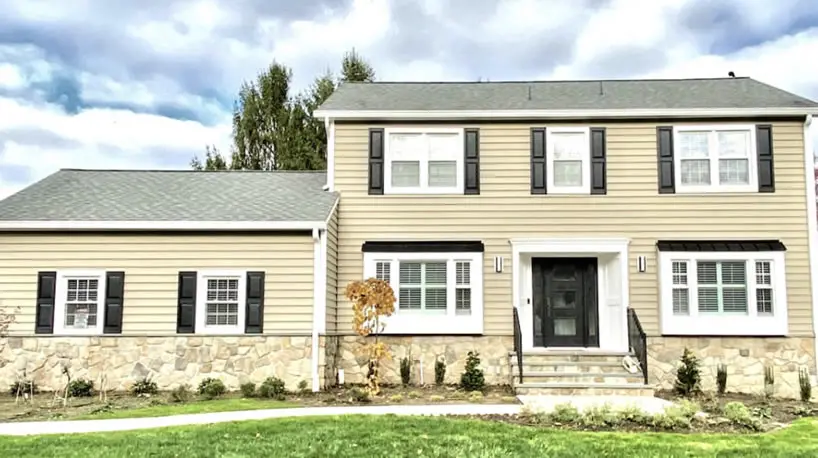
This guide covers everything from the best temperature to install vinyl siding to seasonal considerations, installation tips, and general FAQs, ensuring your siding replacement is done correctly.
Understanding Vinyl Siding and Temperature Sensitivity
Vinyl siding is made from polyvinyl chloride (PVC), which is naturally flexible. This flexibility allows the material to expand and contract depending on temperature changes. While this property helps the siding withstand weather, it also means that extreme temperatures can cause issues during installation.
The vinyl siding installation temperature is crucial because installing conditions that are too cold or too hot can result in warping, buckling, or gaps. Proper installation ensures your siding maintains its shape and protects your home for years.
Recommended Temperature for Installing Vinyl Siding
The best temperature to install vinyl siding is generally between 50 and 80 degrees Fahrenheit. Within this range, the material is flexible enough to fit correctly and allow proper expansion and contraction without causing stress.
Temperatures below 40 degrees can make vinyl brittle, increasing the risk of cracking. Conversely, temperatures above 90 degrees may cause panels to expand too much, which can lead to buckling as they cool. Ensuring that siding is installed within the recommended temperature range improves durability and overall appearance.
Minimum Temperature for Vinyl Siding Installation
Knowing the minimum temperature for vinyl siding installation helps homeowners plan projects in colder months. Most manufacturers recommend avoiding installation below 20 to 40 degrees Fahrenheit. At lower temperatures, the siding can become too rigid, making it difficult to handle and more prone to damage.
If installation must occur during colder weather, contractors can take precautions such as gently warming the panels or adjusting fastening methods to prevent cracking and ensure proper alignment.
How Temperature Affects Vinyl Siding Performance
The temperature at the time of installation directly impacts how siding behaves over time. Vinyl expands in heat and contracts in cold. If siding is installed during inappropriate temperatures, it may pull apart, warp, or leave gaps when temperatures fluctuate.
For example, siding installed in hot weather may contract as it cools, creating gaps along seams. Siding installed in extreme cold may expand excessively as it warms, causing buckling. Understanding the correct temperature to install vinyl siding helps prevent these issues and ensures a long-lasting installation.
Seasonal Considerations in New Jersey
New Jersey experiences distinct seasons, which influence the timing of siding replacement. Spring and fall are ideal because temperatures are moderate and consistent. Summer installation is possible but may require caution due to high heat, while winter installation presents challenges such as snow, ice, and low temperatures.
By scheduling siding replacement during moderate weather, you align with the vinyl siding installation temperature guidelines, reducing the risk of installation issues and ensuring long-term performance.
Tips for Installing Vinyl Siding at the Right Temperature
Even when temperatures are ideal, proper installation techniques are essential. Here are key tips:
- Allow for Expansion Gaps: Panels should have small gaps at edges to expand and contract freely.
- Use Correct Fastening Methods: Nails should not be overdriven, which can restrict movement and lead to buckling.
- Check Alignment and Level: Proper alignment prevents stress on panels as temperatures change.
- Avoid Extreme Weather Days: Do not install siding during storms or heavy winds.
These steps ensure successful vinyl siding replacement and prevent future issues.
Coordination with Other Home Exterior Projects
When planning a siding replacement, it is often practical to coordinate with other home improvement services. At Home Makeover LLC, services such as roof replacement, deck replacement, gutter cleaning, and window installation can be planned alongside siding replacement. This approach helps homeowners manage multiple projects efficiently while ensuring each component is installed under optimal conditions.
Benefits of Professional Installation
Professional installation guarantees that siding is handled correctly and installed at the appropriate temperature. Contractors bring expertise, tools, and techniques to ensure:
- Proper alignment and level
- Correct allowance for expansion and contraction
- Secure fastening without damaging the siding
- Long-lasting performance under New Jersey weather
Hiring professionals can save time, reduce errors, and ensure your siding investment lasts for years.
Common Mistakes Related to Temperature
Ignoring the correct installation temperature can cause:
- Warping or buckling
- Gaps between panels
- Cracks or brittle panels
- Premature wear
Awareness of the correct temperature for installing vinyl siding is critical to avoid these common mistakes. Professional contractors prevent these issues by installing siding under optimal conditions.
Vinyl Siding Materials and Temperature Sensitivity
Different types of vinyl siding may have slightly different temperature tolerances. Standard panels are more sensitive to extremes, while insulated vinyl siding may handle cooler temperatures better. However, the general rules of installing between 50 and 80 degrees Fahrenheit still apply.
Consulting manufacturer guidelines and working with experienced contractors ensures siding is installed correctly, regardless of the type.
Planning Your Siding Replacement Project
Planning a siding replacement involves:
- Checking weather forecasts to ensure moderate temperatures
- Scheduling work during spring or fall
- Coordinating with other exterior projects like deck replacement, gutter & roof replacement, or window installation
- Working with a licensed contractor for precise installation
Planning around the correct vinyl siding installation temperature improves efficiency and results in a durable installation.
Frequently Asked Questions
What is the best temperature for installing vinyl siding?
The best temperature is typically between 50 and 80 degrees Fahrenheit to allow proper expansion and contraction.
Can vinyl siding be installed in winter?
Yes, but installation below 40 degrees Fahrenheit may cause panels to become brittle. Special precautions are necessary.
What is the minimum temperature for vinyl siding installation?
Most manufacturers recommend avoiding installation below 20 to 40 degrees Fahrenheit.
Does temperature affect siding performance long-term?
Yes. Incorrect installation temperatures can lead to warping, buckling, or gaps as panels expand and contract with weather changes.
How do contractors manage extreme temperatures?
Contractors may gently warm panels in cold weather or install shaded areas in heat to prevent damage and ensure proper fit.
Conclusion
Understanding the temperature to install vinyl siding is crucial for a successful siding replacement. Installing siding in the correct temperature range ensures durability, maintains appearance, and avoids common installation issues.
Homeowners in New Jersey should plan siding replacement during moderate temperatures, ideally in spring or fall. Coordinating with professional remodeling contractors like Home Makeover LLC ensures your siding replacement is done safely, efficiently, and correctly. By considering factors such as roof replacement, deck replacement, gutter cleaning, window installation, and siding replacement, homeowners can upgrade their home exterior comprehensively.
Proper planning and attention to the vinyl siding installation temperature guarantees that your investment will protect your home and enhance its appearance for years to come.

About the Author: Jeffrey W. Nero
Jeffrey W. Nero is a home improvement expert with over 20 years of experience serving homeowners in New Jersey. As the owner of Home Makeover™, Jeff combines quality craftsmanship with a deep understanding of local needs. From roofing and siding to deck remodels, Jeff has helped thousands of homeowners bring their visions to life. His commitment to excellence and customer satisfaction makes him a trusted partner in transforming homes across Central NJ.