Call us today (732) 230-7552
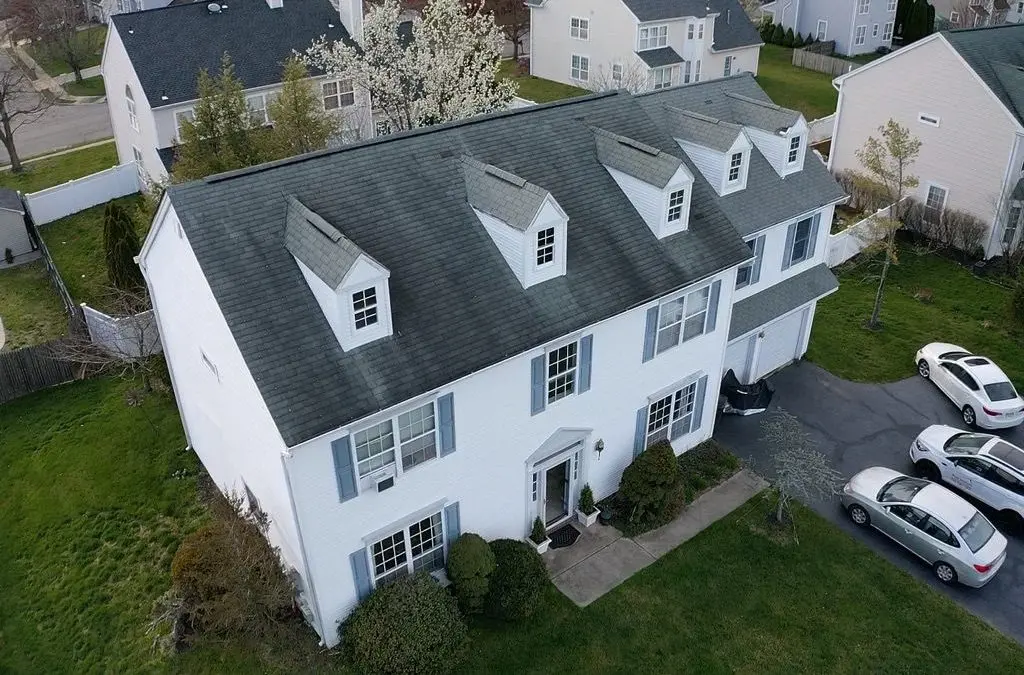
If you are a homeowner, one question will eventually cross your mind: how often does a roof need to be replaced?
Your roof acts as the main protective barrier that safeguards your home from harsh weather and outside elements. It protects your structure from rain, snow, wind, heat, and moisture. It shields your attic, insulation, walls, ceilings, and foundation. When it fails, the damage can spread quickly and become expensive.
Understanding how often does a roof need to be replaced helps you plan ahead, avoid emergency repairs, protect your home’s value, and make confident decisions.
In this guide, homeowners will find all the essential information they need. We will explain roof lifespan by material, warning signs, climate impact, maintenance strategies, repair vs replacement decisions, insurance concerns, energy efficiency benefits, and cost factors.
If your goal is to truly understand how often does a roof need to be replaced, this guide will give you clear answers.
Why Every Homeowner Must Understand How Often Does a Roof Need to Be Replaced?
A roof is not just shingles. It is a complete system.
Your roofing system includes:
- Roof decking
- Underlayment
- Ice and water shield
- Flashing
- Ventilation components
- Shingles or surface material
If one part fails, the entire system becomes vulnerable.
Many homeowners wait until leaks appear before asking how often does a roof need to be replaced. Unfortunately, by the time water stains show on ceilings, the damage has often been developing for years.
Proactive knowledge is the key to saving money.
The General Lifespan of a Roof
The short answer to how often does a roof need to be replaced depends on the material used.
Here are typical average lifespans:
- Basic asphalt shingles usually last 15 to 25 years.
- Architectural asphalt shingles often last 25 to 35 years.
- A metal roof can remain durable and functional for around 40 to 70 years.
- Wood shake roofs may last 20 to 40 years.
- Clay or concrete tiles often last 50 years or more.
- Slate roofs can exceed 75 to 100 years.
- Flat roofing systems typically last 15 to 30 years.
These numbers represent averages under normal conditions.
Climate, installation quality, maintenance, and ventilation can shorten or extend these timeframes.
So when asking how often does a roof need to be replaced, material is the first factor to consider.
Asphalt Shingle Roofs: The Most Common Scenario
Most American homes use asphalt shingles.
If you have a standard three tab asphalt roof, replacement is often needed around the 20 year mark.
Architectural shingles last longer due to thicker construction and better wind resistance.
However, in harsh climates, even architectural shingles may require replacement closer to 20 to 25 years.
This means the real world answer to how often does a roof need to be replaced for asphalt roofs is typically 20 to 30 years.
Climate Plays a Major Role
Weather significantly impacts how often a roof needs to be replaced.
If you live in an area with heavy snow, frequent freeze thaw cycles, strong winds, coastal salt exposure, or intense sun, your roof will age faster.
In New Jersey, for example, roofs endure:
- Winter snow accumulation
- Ice dams
- Spring storms
- Coastal humidity
- Summer heat waves
- High wind events
These seasonal extremes stress shingles and flashing.
Because of this, homeowners in New Jersey often find that how often does a roof need to be replaced depends heavily on storm exposure and maintenance history.
Installation Quality Matters More Than You Think
Even the best roofing material will fail early if installed incorrectly.
Improper installation can cause:
- Poor shingle alignment
- Nail placement issues
- Inadequate flashing around chimneys
- Ventilation problems
- Moisture buildup
A poorly installed roof may require replacement years earlier than expected.
This is why professional installation is critical when thinking about how often does a roof need to be replaced.
Ventilation and Its Impact on Roof Lifespan
Many homeowners overlook attic ventilation.
With proper ventilation, excess heat and moisture can flow out easily.
Without ventilation, attic temperatures can skyrocket in summer and trap moisture in winter.
This leads to:
- Premature shingle aging
- Decking rot
- Mold growth
- Higher energy bills
If ventilation is poor, your roof may need replacement sooner than expected.
When evaluating how often does a roof need to be replaced, always assess attic airflow.
Clear Warning Signs That Replacement Is Near
Age alone does not determine replacement timing.
Watch for these signs.
- Shingles that begin to curl or rise along the edges.
- Cracked or missing shingles.
- Bald spots where granules are missing.
- Granules are collecting in gutters.
- Sagging roof lines.
- Water stains on ceilings.
- Moss growth that retains moisture.
If multiple warning signs appear, it may be time to replace rather than repair.
Knowing these indicators helps answer how often does a roof need to be replaced in practical terms.
Repair vs Replacement: When Is It Time?
Small isolated damage can be repaired.
However, if:
- The roof is near the end of its lifespan
- Leaks occur in multiple areas
- Shingles are brittle across large sections
- Repair costs exceed one third of replacement cost
Replacement becomes the smarter long term investment.
Repeated patching often costs more over time.
So when evaluating how often does a roof need to be replaced, consider total repair frequency.
Insurance Considerations
Insurance companies track roof age carefully.
Some insurers increase premiums after 15 to 20 years.
Others may deny full coverage for roofs older than 25 years.
This means how often a roof needs to be replaced may also be influenced by insurance requirements.
Replacing an aging roof can protect coverage and prevent claim disputes.
Energy Efficiency and Roof Replacement
Old roofs often lack modern energy efficiency features.
Worn shingles lose reflective properties.
Damaged underlayment reduces insulation performance.
Poor ventilation increases cooling costs.
Replacing an old roof can improve indoor comfort and lower energy bills.
For many homeowners, this is another reason to understand how often does a roof need to be replaced.
How to Extend Your Roof’s Lifespan?
While every roof eventually requires replacement, proper maintenance can delay the timeline.
Annual inspections help catch small issues early.
Cleaning gutters prevents water backup.
Trimming overhanging branches reduces debris and impact damage.
Addressing minor leaks quickly prevents structural rot.
Maintaining attic ventilation keeps shingles from overheating.
These steps can add years to your roof’s life.
How Often Does a Roof Need to Be Replaced Before Selling a Home?
If you plan to sell your home and your roof is over 20 years old, buyers may hesitate.
An aging roof can:
- Reduce buyer confidence
- Lower property value
- Delay closing
- Trigger inspection negotiations
Replacing the roof before listing can increase curb appeal and buyer trust.
So, how often does a roof need to be replaced in real estate scenarios? Often, before major deterioration becomes visible.
The True Cost of Waiting Too Long
Delaying replacement can lead to:
- Interior water damage
- Insulation destruction
- Mold remediation costs
- Structural wood rot
- Electrical hazards
A small roof leak can become a major renovation project.
Understanding how often a roof needs to be replaced protects you from these cascading expenses.
Flat Roof Replacement Timeline
Flat roofs behave differently.
They often use membrane systems like TPO, EPDM, or modified bitumen.
Flat roofing systems generally last 15 to 30 years, depending on material and maintenance.
Standing water, clogged drains, and UV exposure shorten lifespan.
If you have a flat roof, how often does a roof need to be replaced may fall closer to the 20-year mark.
Can a Roof Last Longer Than Expected?
Yes, with ideal conditions.
If your roof was installed professionally, uses premium materials, has proper ventilation, and receives regular maintenance, it may exceed average lifespan.
However, no roof lasts forever.
In the long run, replacement is needed to preserve efficiency and structural safety.
Final Answer: How Often Does a Roof Need to Be Replaced?
For most homeowners, the practical answer is every 20 to 30 years for asphalt shingles.
Premium materials may last longer.
Harsh climates may shorten that window.
The key is regular inspection and proactive planning.
If you live in New Jersey and believe your roof may be approaching the end of its lifespan, contact Home Makeover LLC for professional roof replacement services and expert guidance tailored to your home.

About the Author: Jeffrey W. Nero
Jeffrey W. Nero is a home improvement expert with over 20 years of experience serving homeowners in New Jersey. As the owner of Home Makeover™, Jeff combines quality craftsmanship with a deep understanding of local needs. From roofing and siding to deck remodels, Jeff has helped thousands of homeowners bring their visions to life. His commitment to excellence and customer satisfaction makes him a trusted partner in transforming homes across Central NJ.