Call us today (732) 230-7552
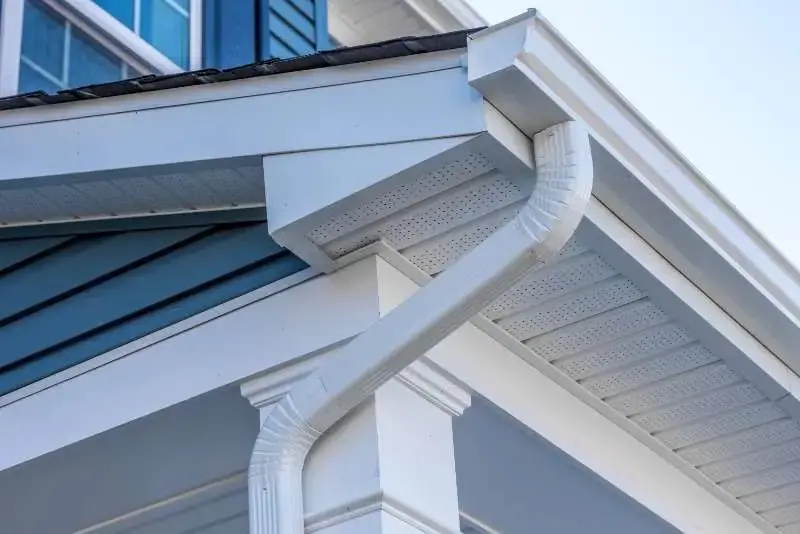
Your gutters do a job that most homeowners never think about until something goes wrong.
They divert large volumes of rainwater each year, keeping it away from your roof, walls, and foundation. When they clog or fail, that water goes somewhere it should not. And in New Jersey, where nor’easters, heavy fall leaf drops, and freeze-thaw winters are part of life, gutters take a beating.
Clogged gutters lead to roof leaks, rotted fascia boards, flooded basements, cracked foundations, and damaged siding. The repair bills from ignored gutters routinely run into the thousands. The good news is that most of that damage is completely preventable.
These 12 gutter maintenance tips are practical, straightforward, and built for New Jersey homeowners. Follow them and your gutters will do their job season after season without surprises.
Why Gutter Maintenance Is Critical in New Jersey?
New Jersey has some of the most demanding weather conditions in the northeast for gutters. Here is what NJ homeowners deal with that makes regular gutter maintenance non-negotiable:
| NJ Weather Challenge | What Does It Do to Your Gutters? |
|---|---|
| Heavy spring and fall rainfall | Overwhelms clogged gutters and drives water into fascia and foundations |
| Dense fall leaf drop | Leaves from oaks, maples, and sweet gums pack gutters solid in a matter of weeks |
| Nor'easters and coastal storms | High winds fill gutters with debris and can tear sections from the roofline |
| Winter freeze-thaw cycles | Water in clogged gutters freezes, expands, and causes sagging or separation |
| Ice dams along the roofline | Blocked gutters trap ice that backs up under shingles and leaks into the home |
| Summer storm debris | Branches, seeds, and shingle granules accumulate quickly between spring cleanings |
Homes in Monmouth County near the Shore face additional salt air exposure that corrodes metal gutters faster. Homes in Mercer County and Middlesex County deal with heavy tree canopy, which means more debris, more often. Wherever you are in NJ, your gutters need consistent attention.
12 Gutter Maintenance Tips Every New Jersey Homeowner Should Follow
Tip 1: Clean Your Gutters Twice a Year
Perform gutter cleaning at the end of spring and again during late fall. Properties surrounded by trees often require gutter cleaning more often than usual due to heavier debris buildup. Clogged gutters can overflow and cause damage to siding, fascia, foundation, and basement. If you are not comfortable using a ladder, hire a professional.
Tip 2: Flush Downspouts After Cleaning
After cleaning, flush each downspout with water. If water backs up, drains slowly, or does not exit, there is a clog. Blocked downspouts cause overflow and can lead to foundation damage.
Tip 3: Inspect Gutters for Damage
During cleaning, inspect for any signs of sagging, cracking, rusting, or loosened joints. Also, look for water stains on the fascia. Addressing minor problems early helps you avoid expensive fixes down the road.
Tip 4: Check Gutter Slope
Gutters should slope slightly toward downspouts. If water sits after rain, the slope is incorrect. This can lead to standing water and overflow. A contractor can easily fix the slope.
Tip 5: Fix Loose Fasteners
Check for loose screws or hangers. Unsecured gutters may begin to droop or detach from the edge of the roof. This leads to water damage during heavy rain. Tightening them early prevents bigger repairs.
Tip 6: Seal Joints and End Caps
Inspect joints for gaps or leaks. If water drips or stains appear, reseal the area. Use waterproof gutter sealant to stop leaks and protect walls.
Tip 7: Install Gutter Guards
Gutter guards help limit debris accumulation and cut down on how often cleaning is needed. Micro-mesh guards work best for small debris. Choose high-quality guards for better performance and long-term results.
Tip 8: Extend Downspouts Away from Foundation
Water should flow at least 4 to 6 feet away from your home. Use downspout extensions or drainage systems. This helps prevent basement leaks and foundation damage.
Tip 9: Trim Nearby Tree Branches
Trim back branches close to your roof, particularly any that extend within about 10 feet of the structure. This helps minimize the amount of leaves and other debris that collect in your gutters. It also lowers the risk of roof and gutter damage during storms.
Tip 10: Prepare Gutters Before Winter
Clean gutters before freezing weather. Make sure downspouts are clear, and fasteners are secure. This helps reduce the risk of ice dams forming and protects against damage during winter conditions.
Tip 11: Check Roof Edge and Flashing
Make sure water flows into gutters, not behind them. Damaged drip edge or flashing can cause hidden water damage to fascia and walls.
Tip 12: Get a Professional Inspection Yearly
An annual inspection makes it easier to identify hidden problems before they turn into serious damage. Professionals check slope, drainage, and structural problems. This prevents costly repairs and keeps your system working properly.
Common Gutter Maintenance Mistakes NJ Homeowners Make
Knowing what to do is only part of the picture. Here are the most common mistakes that lead to expensive damage:
| Common Mistake | Why does it cause problems? |
|---|---|
| Only cleaning once a year | Fall leaf drop and spring storms mean twice-a-year cleaning is the minimum for most NJ homes |
| Ignoring small leaks or drips | A small seam leak soaks the fascia and wall below every time it rains, leading to rot and mold |
| Using a pressure washer inside the gutter | Forces water behind end caps and under shingles, causing the leaks you are trying to prevent |
| Standing on the gutter for ladder support | Gutters are not structural. This bends and cracks even aluminum systems instantly |
| Skipping the downspout flush | Gutters appear clean, but water still backs up from a clogged downspout during heavy rain |
| Waiting until there is a visible problem | By the time you see a stain on the ceiling or a flooded basement, the damage is already significant |
| Using the cheapest gutter guard available | Low-quality screens trap debris on top and make cleaning harder, not easier |
DIY Gutter Maintenance vs. Calling a Professional: How to Decide?
| Task | DIY-Friendly? | When to Call a Pro? |
|---|---|---|
| Basic gutter cleaning (single-story) | Yes, with the right ladder | If gutters are heavily packed or the home is multi-story |
| Flushing downspouts | Yes | If the blockage persists after flushing from the top |
| Resealing joints and end caps | Yes, with gutter sealant | If the joint has pulled apart or the metal is corroded |
| Re-securing loose hangers | Yes, basic hardware skills | If the fascia board behind the hanger is soft or rotted |
| Installing gutter guards | Some types yes | Micro-mesh or custom-fit guards are best installed by a pro |
| Re-pitching sagging sections | Possible but tricky | Recommended if multiple sections need adjustment |
| Fascia or soffit repair behind gutters | No | Always call a professional for structural repairs |
| Replacing full gutter sections | Not recommended | Professional installation ensures proper fit, slope, and seal |
The general rule is simple. If you are comfortable on a ladder, working at the roofline of a single-story home, and the issue is cleaning or minor sealing, DIY is reasonable. If the home is multi-story, the damage involves structural components like fascia or soffit, or you are unsure what you are looking at, call a professional.
Gutter problems that go unaddressed often connect to larger issues with siding, window trim, or even the roof deck. A contractor who handles full exterior work can assess all of it in one visit instead of discovering layers of damage after the fact.
When Maintenance Is Not Enough: Signs You Need Gutter Replacement?
Most gutters last 20 to 30 years with proper care. But there comes a point where maintenance is no longer cost-effective, and replacement is the right move. Here is how to recognize it:
- Multiple sections are cracked, split, or corroded beyond patching
- The gutters are pulling away from the fascia at multiple points, and the fascia itself is rotted
- You are resealing joints every season, and they keep leaking anyway
- The gutters have been repaired or resecured multiple times in recent years
- Your gutters are the original installation from 25 or more years ago
- You are seeing ongoing water intrusion in the basement or crawl space despite clean gutters and clear downspouts
If you are at this point, full gutter replacement is a smart investment. Seamless aluminum gutters, the current standard for NJ homes, are made in custom lengths with no joints except at the corners. That eliminates the most common failure points entirely.
When replacing gutters, it is also the right time to evaluate fascia, soffit, and any siding damage that occurred from years of water exposure. Addressing all of it at once is more efficient and more cost-effective than dealing with each issue separately.
FAQs
How often should I clean my gutters in New Jersey?
Most homeowners should clean gutters at least twice a year, once in late spring and once in late November. Homes with heavy tree coverage may need three to four cleanings annually. Regular cleaning is the most effective way to prevent clogs and water damage.
How can I tell if my gutters are blocked or clogged?
Common signs include water overflowing during rain, stains on exterior walls or fascia, sagging sections, plants growing in the gutters, and water in the basement or crawl space. If you notice any of these, clean and inspect your gutters promptly.
Do gutter guards provide good value for homes in New Jersey?
Yes, well-made gutter guards can limit debris buildup and decrease the need for frequent cleaning. Micro-mesh guards work best, especially for homes with trees. Cheap plastic screens often cause more issues. A professionally installed system is usually a good investment.
What are the best ways to stop ice dams from harming gutters during the winter season?
Clean gutters before the first freeze and secure any loose sections. Make sure attic insulation is adequate, as poor insulation is a major cause of ice dams. For recurring issues, heated gutter cables can help prevent buildup.
How long do gutters last on New Jersey homes?
With regular upkeep, aluminum gutter systems generally have a lifespan of about 20 to 30 years. Steel lasts 15 to 20 years, and copper can last 50 years or more. Coastal homes may see shorter lifespans due to salt air. Installation quality and maintenance are key factors.
Can clogged gutters cause foundation damage?
Yes. Overflowing water can saturate the soil around your foundation, leading to basement leaks, pressure on foundation walls, and cracks or settling over time. Keeping gutters clean and directing water away from the home is essential.
What is the best time of year to schedule professional gutter cleaning in NJ?
The best times are late May to early June and late November. If you only schedule one cleaning per year, late November is the most important because it helps prevent winter damage.
What is the typical price range for gutter cleaning services in New Jersey?
Professional gutter cleaning usually costs between $100 and $300 for a typical single-family home. Prices vary based on home size, debris, and accessibility. Larger or multi-story homes cost more, but it remains a low-cost service compared to the potential damage.
Should I repair or replace gutters that are sagging and leaking?
Minor issues like a single sagging section or a leaking joint can be repaired. If damage is widespread, the fascia is rotted, or the system is over 20 years old, replacement is often more cost-effective. A qualified inspection can guide you toward the right decision.
Do I need a permit to replace gutters in New Jersey?
In most cases, no permit is needed if you are replacing gutters with the same type and size. However, changes to drainage or new installations may require approval depending on the municipality. A local contractor can advise on requirements.
Final Thoughts: Consistent Gutter Maintenance Saves Real Money
Gutters are not glamorous. But they protect everything else about your home.
A well-maintained gutter system keeps water away from your roof, your walls, your foundation, and your basement. In New Jersey, where the weather is genuinely tough year-round, consistent gutter care is one of the highest-return maintenance habits you can build.
Follow these 12 gutter maintenance tips on a regular schedule, and you will avoid the expensive surprises that catch most homeowners off guard. Clean twice a year, flush your downspouts, inspect for damage, secure loose sections, prepare properly for winter, and get a professional set of eyes on the full system at least once a year.
If any of these steps uncover damage you are not sure how to handle, Home Makeover LLC is here to help. We serve homeowners throughout Monmouth County, Mercer County, and Middlesex County with full exterior maintenance and repair services. One call gets you a free inspection with no pressure and no obligation.

About the Author: Jeffrey W. Nero
Jeffrey W. Nero is a home improvement expert with over 20 years of experience serving homeowners in New Jersey. As the owner of Home Makeover™, Jeff combines quality craftsmanship with a deep understanding of local needs. From roofing and siding to deck remodels, Jeff has helped thousands of homeowners bring their visions to life. His commitment to excellence and customer satisfaction makes him a trusted partner in transforming homes across Central NJ.