Call us today (732) 230-7552
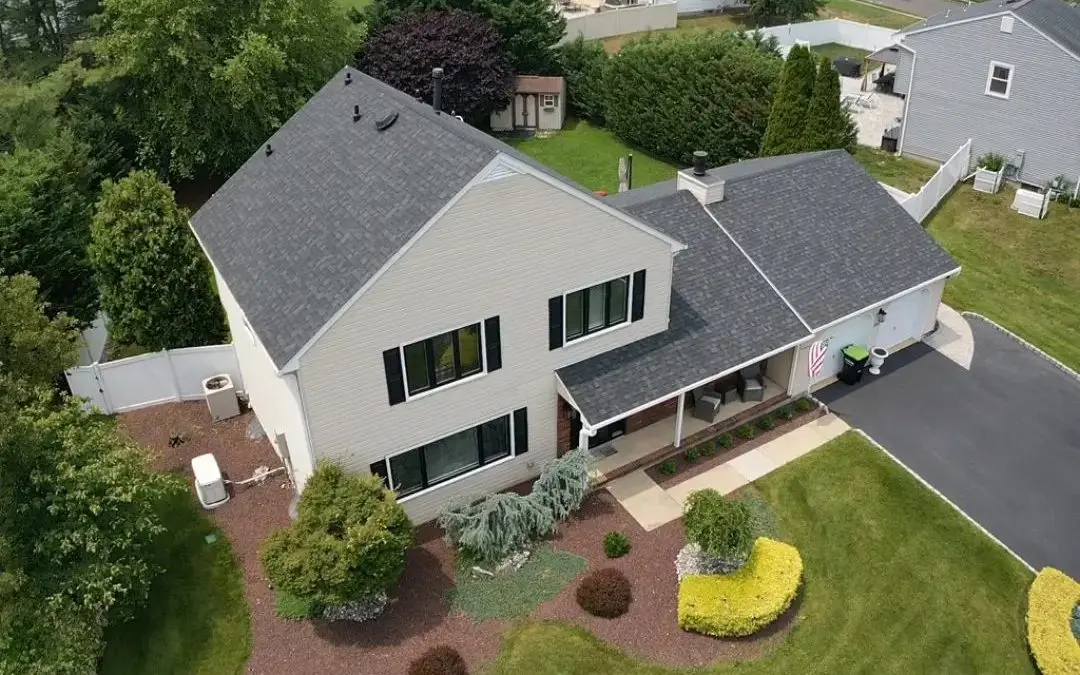
Your roof is one of the biggest investments you will ever make in your home. And yet, most homeowners spend less time researching it than they do picking a kitchen appliance.
If you are debating metal roofing vs. shingles, you are not alone. It is the most common roofing question contractors hear every single day. Both options work. Both have real advantages. But the one that is right for your home depends on your budget, your climate, how long you plan to stay, and what you value most.
This guide breaks down all 10 key differences between the two – clearly, honestly, and without the sales spin. By the end, you will know exactly which roof makes sense for your situation.
“Choosing between metal and shingles is not just a cost decision. It is a lifestyle decision. This guide gives you every data point you need to get it right the first time.”
Metal Roofing vs Shingle: At-a-Glance Comparison
Before we dive into each difference in detail, here is a side-by-side overview of how both roofing types stack up across the categories that matter most.
| Factor | Metal Roof | Asphalt Shingles |
|---|---|---|
| Upfront Cost | $10,000-$25,000+ | $5,000-$12,000 |
| Lifespan | 50-70+ years | 20-30 years |
| Long-Term Cost | Lower over 60 years | Higher (multiple replacements) |
| Energy Efficiency | Up to 30% savings | Minimal reflectivity |
| Maintenance | Very low | Moderate |
| Fire Rating | Class A | Class A (some) / Class C |
| Resale Value | Higher ROI | Moderate |
| Installation | Specialized, longer | Faster, widely available |
| Noise | Can be louder (if uninsulated) | Quieter naturally |
| Style Options | Many profiles & colors | Wider mass-market variety |
The 10 Key Differences Between Metal Roofing and Shingle Roofing
Now let’s go deeper. Each of these differences could be the deciding factor for your home, your budget, or your plans for the future.
Difference #1: Upfront Cost and Installation Price
| Metal Roof | Asphalt Shingles |
|---|---|
| $10,000 to $25,000+ for an average home. Premium materials like zinc or copper can exceed $30,000. Labor costs are higher due to specialized installation. | $5,000 to $12,000 for most residential homes. Widely available contractors keep labor costs competitive. Three-tab shingles sit at the lowest end. |
Bottom Line: Shingles win on upfront price. Metal wins over a lifetime. The real question is: how long do you plan to stay in your home?
The metal roofing vs shingles cost difference is significant upfront – typically 2 to 3 times higher for metal. But this gap narrows significantly when you factor in replacement cycles. An asphalt shingle roof that lasts 20-25 years will need to be replaced two to three times over the life of a metal roof.
Think of it this way: paying $12,000 for shingles three times over 60 years costs $36,000. A single metal roof at $18,000 installed once costs nearly half as much in that same window.
Difference #2: Lifespan and Life Expectancy
| Metal Roof | Asphalt Shingles |
|---|---|
| 50 to 70+ years for steel and aluminum. Copper and zinc panels can last 100+ years when properly installed and maintained. | 20 to 30 years for standard architectural shingles. Three-tab shingles may only last 15-20 years in harsh climates like New Jersey winters. |
Winner: Metal Roof
When comparing metal roofing vs shingles life expectancy, the gap is dramatic. A properly installed standing seam metal roof can outlive two full generations of homeowners. Asphalt shingles, by contrast, are engineered to last just one to two decades.
For homeowners planning to age in place or those buying a forever home, this difference is game-changing. You install a metal roof once, and you are done. With shingles, budget for at least one full replacement during your ownership.
Difference #3: Durability and Weather Resistance
This is where the northeast United States – and especially New Jersey – makes the decision particularly meaningful. NJ homeowners deal with humid summers, freezing winters, heavy snowfall, and periodic hurricanes or nor’easters.
Metal roofs are engineered for exactly these conditions:
- Can withstand wind speeds of 140 mph or higher
- Shed snow and ice quickly due to smooth, sloped surfaces
- Resist hail damage with higher impact ratings
- Will not crack, warp, or split in freeze-thaw cycles
- Non-combustible – a significant fire safety advantage
Asphalt shingles are serviceable but more vulnerable:
- Granule loss accelerates with age and UV exposure
- Freeze-thaw cycles can cause cracking and lifting
- Ice dams are a more serious risk on low-slope shingle roofs
- Large hail can cause significant, claim-worthy damage
Pro Tip: If you live in a storm-prone area, many insurance providers offer premium discounts for metal roofs due to their superior impact and wind resistance ratings. Always ask your insurer before choosing your roofing material.
Difference #4: Maintenance Requirements
One of metal roofing’s biggest hidden advantages is how little it asks of you once it is installed.
Metal roofs typically need only annual visual inspections, occasional cleaning of debris from valleys and gutters, and checking of sealants around penetrations every 10-15 years. That is essentially it.
Asphalt shingle roofs require more regular attention – especially as they age. Moss and algae growth is common in humid climates, shingles can curl or crack and need spot replacement, and flashing around chimneys and skylights tends to deteriorate faster.
Regular maintenance also keeps your warranty intact. Whether you have a metal roof or shingles, scheduling an annual inspection – especially after significant storms – is the single best thing you can do to extend the life of your roof. It is also the ideal time to inspect related systems: your gutters, fascia, and siding. Many contractors now offer bundled inspections, which makes it easy to catch issues with gutter replacement needs or loose trim before they become expensive water damage problems.
Difference #5: Energy Efficiency
This is one area where metal roofing has a clear, measurable, and significant advantage.
Metal roofs – particularly those with light or reflective finishes – reflect a substantial portion of the sun’s radiant heat rather than absorbing it into your home. This is often called the “cool roof” effect, and it is backed by real data.
- Energy Star-rated metal roofs can reduce cooling costs by 10-25%
- In hot summer months, attic temperatures can drop by 30°F or more
- Insulated metal panels further improve thermal performance in winter
- Some metal roofs qualify for federal energy tax credits
Asphalt shingles absorb heat. Dark-colored shingles, in particular, can significantly raise attic temperatures, making your air conditioner work harder throughout New Jersey’s humid summers. Reflective or “cool shingle” options exist but have limited effectiveness compared to metal.
For homeowners focused on reducing their monthly utility bills, metal roofing pays dividends year after year.
Difference #6: Aesthetic Appeal and Style Options
This is where the conversation becomes more personal. Both materials offer visual variety, but they appeal to different tastes.
Asphalt shingles are the most familiar look on American homes. They come in hundreds of colors and styles – from three-tab to architectural to luxury designer shingles that mimic slate or cedar shake. They are traditional, well-understood, and blend into most neighborhoods without drawing attention.
Metal roofing has evolved dramatically. Modern metal roofs are available as:
- Standing seam panels – sleek, contemporary, and virtually seamless
- Metal shingles – designed to mimic slate, cedar, or tile
- Exposed fastener corrugated panels – budget-friendly with a more industrial look
- Copper and zinc – high-end options that develop a natural patina over time
Metal roofing can actually elevate curb appeal in the right architectural context – particularly on craftsman, farmhouse, contemporary, or coastal-style homes. If your home already has a distinctive exterior, a well-chosen metal roof can become one of its defining features.
If you are making exterior upgrades, consider coordinating your roofing choice with related improvements. Siding repair or replacement, new trim, and updated gutters work together to create a cohesive, high-value exterior package. The color relationship between your roof and siding matters more than most homeowners realize.
Difference #7: Installation Complexity and Timeline
Installing an asphalt shingle roof is straightforward. It is a skill most roofing contractors have mastered, which means more competition, shorter timelines, and easier scheduling.
A standard shingle re-roof on an average home typically takes 1-3 days. With metal, you are often looking at 3-7 days or more, depending on roof complexity, material type, and whether a tear-off of existing shingles is involved.
Metal roofing installation also requires:
- Specialized tools and training (particularly for standing seam panels)
- More precise measurements and custom fabrication in some cases
- Careful attention to thermal expansion – metal expands and contracts with temperature changes
- Proper underlayment and ventilation systems to prevent condensation
Important: Always verify that your metal roofing contractor is certified and experienced specifically in metal installation. Improper installation is the leading cause of metal roof problems – not the material itself. Ask for references, past project photos, and verify any manufacturer certifications.
Difference #8: Resale Value and Return on Investment
When evaluating metal roofing vs shingles resale value, the research consistently favors metal – but with important context.
According to Remodeling Magazine’s Cost vs. Value Report, a metal roof replacement can recoup 60-70% of its cost at resale. But more importantly, a metal roof becomes a genuine selling point in a competitive real estate market. Buyers understand that a metal roof means they will not need to budget for a new roof for decades.
An asphalt shingle roof that is already 10+ years old can actually reduce a home’s appeal if buyers factor in the approaching replacement cost. A new shingle roof recovers its value but does not add the same lasting perception of quality.
In high-end neighborhoods, or in areas where buyers are sophisticated about long-term ownership costs, a metal roof can be a meaningful differentiator that justifies a higher asking price.
Difference #9: Environmental Impact
For homeowners who factor sustainability into their decisions, metal roofing has a compelling environmental story.
- Recyclability: Most metal roofing contains 25-95% recycled content and is 100% recyclable at the end of its life
- Longevity: One metal roof replaces three to four asphalt roofs – dramatically reducing landfill waste
- Solar compatibility: Metal roofs are ideal platforms for solar panel installation, with easier attachment and no re-roofing needed for decades
- Cool roof effect: Reduces urban heat island effect in dense areas
Asphalt shingles, in contrast, are petroleum-based products. Approximately 11 million tons of asphalt shingles end up in U.S. landfills every year. While recycling programs exist, they are not yet widely accessible in most areas of New Jersey.
If reducing your home’s environmental footprint matters to you, metal roofing is the clear choice.
Difference #10: Noise, Weight, and Structural Considerations
These three factors rarely get enough attention in roof comparison articles – but they can be practically important for some homeowners.
Noise: Without proper insulation and underlayment, metal roofs can be louder during rain and hail than asphalt shingles. However, when installed correctly with solid sheathing and quality underlayment, the difference becomes minimal or undetectable inside the home.
Weight: Metal roofing is actually lighter than most people assume. Steel roofing panels typically weigh 50-150 lbs per square, compared to 230-400 lbs per square for asphalt shingles. This lighter weight means metal is often a good option for older homes or structures where load-bearing capacity is a concern.
Structural Compatibility: Metal can often be installed directly over existing shingles (a “re-roof” installation), eliminating the cost of tear-off in some cases. This is not always the best choice – consult your contractor – but it is an option that can reduce both cost and project timeline when appropriate.
So, Which Roof Should You Choose?
| Choose Metal Roofing If… | Choose Asphalt Shingles If... | |
|---|---|---|
| You plan to stay in your home 15+ years | Your upfront budget is limited | |
| Long-term cost savings matter to you | You plan to sell within 10 years | |
| You want maximum weather durability | You prefer a traditional neighborhood aesthetic | |
| You value energy efficiency and lower utility bills | You need a fast turnaround on installation | |
| You want to minimize future maintenance | You want a wider selection of local contractors | |
| Resale value and curb appeal are priorities | Your HOA restricts non-traditional roofing materials | |
| You are installing solar panels in the future |
FAQs
Is metal roofing better than shingles?
It depends on your needs. Metal lasts longer and requires less maintenance, while shingles are more affordable upfront.
How much more expensive is metal roofing?
Metal roofs can cost 2-3 times more than shingles initially, but save money over time.
Do metal roofs increase home value?
Yes, they often increase resale value due to durability and energy efficiency.
Are metal roofs noisy in the rain?
No, proper insulation minimizes noise.
Can metal roofing be installed over shingles?
In some cases, yes. But it’s best to consult a professional.
Which roof is better for extreme weather?
Metal roofing performs better in harsh conditions.
How often do shingles need replacement?
Typically every 15-30 years.
Are metal roofs energy efficient?
Yes, they reflect heat and reduce cooling costs.
Do metal roofs rust?
Modern metal roofs are coated to prevent rust.
Which option is better for long-term investment?
Metal roofing is generally the better long-term investment.
Making the Right Roof Decision for Your Home
The metal roofing vs shingle debate does not have one universal answer – but it does have the right answer for your home, your climate, and your budget.
If you are an NJ homeowner looking for maximum durability, long-term savings, and the lowest lifetime maintenance burden, a metal roof is likely the smarter investment. If upfront cost is the binding constraint, or you are not planning to stay long-term, quality architectural shingles are a proven, reliable option that millions of homeowners choose every year.
What matters most is working with a contractor who will give you honest guidance based on your specific home, not simply sell you the highest-margin product. A good contractor will assess your roof’s current condition, walk you through both options transparently, and help you choose what genuinely serves your interests.
If you are in New Jersey and ready to start that conversation, Home Makeover LLC is worth a call. They are an established exterior remodeling company serving Monmouth, Mercer, and Middlesex counties – with over 20 years of experience, 200+ five-star Google reviews, and a reputation for straightforward, no-pressure consultations. Whether you are leaning toward metal, shingles, or are still undecided, their team can walk you through your options in person and help you make the right call.
Your roof protects everything under it. Make sure the decision is an informed one.

About the Author: Jeffrey W. Nero
Jeffrey W. Nero is a home improvement expert with over 20 years of experience serving homeowners in New Jersey. As the owner of Home Makeover™, Jeff combines quality craftsmanship with a deep understanding of local needs. From roofing and siding to deck remodels, Jeff has helped thousands of homeowners bring their visions to life. His commitment to excellence and customer satisfaction makes him a trusted partner in transforming homes across Central NJ.