 Call us today (732) 230-7552
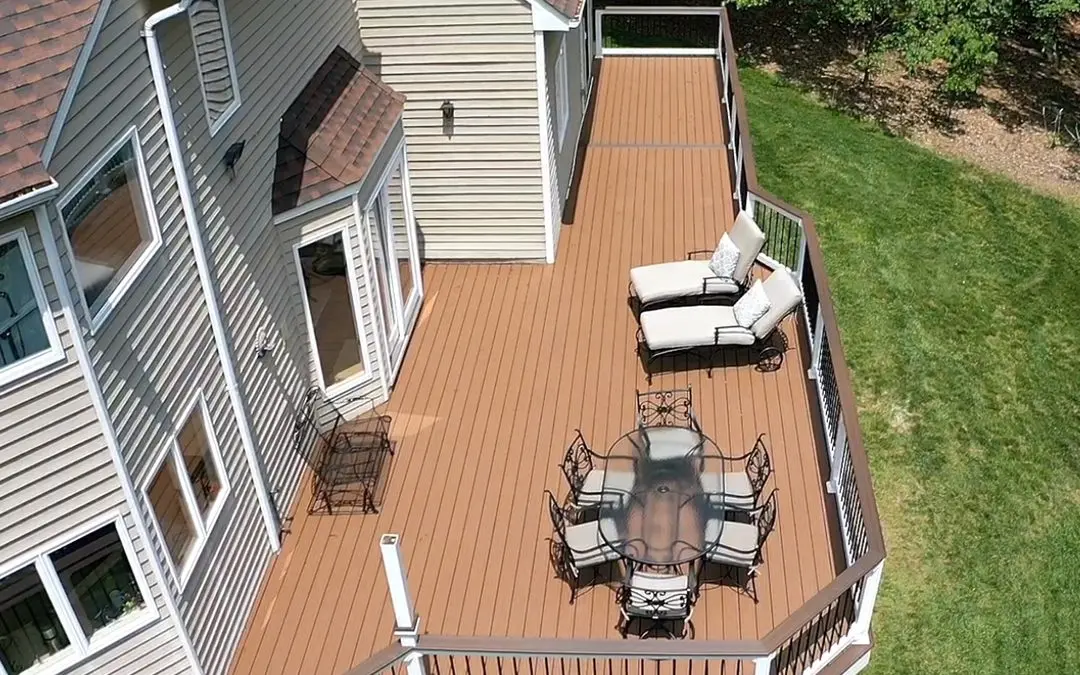
Composite decking remains one of the most popular outdoor upgrades for homeowners in 2026. It offers durability, low maintenance, and long-term resistance to rot and insects. However, even high-quality composite materials can develop issues over time. One of the most common concerns is composite decking boards warping.
If your deck surface feels uneven, boards appear lifted, or edges are curling, this structured guide will walk you through warped composite decking repair in a clear and practical way. At Home Makeover LLC, we regularly help homeowners diagnose and correct these problems before they turn into major structural issues.
1. What Causes Composite Decking Boards Warping
Before attempting to fix warped deck boards, it is important to understand the root cause. Warping does not happen randomly. It is usually the result of pressure, moisture, heat, or installation errors.
The most common causes include:
Improper expansion gaps during installation
Excessive heat exposure from direct sunlight
Moisture buildup beneath the deck
Poor ventilation under the structure
Over-tightened or misaligned fasteners
Uneven or shifting deck framing
Composite boards naturally expand and contract with temperature changes. When installers fail to leave adequate spacing, deck board expansion problems develop. Over time, pressure builds, and boards begin to bend, twist, or lift.
2. Step One: Perform a Full Deck Inspection
A thorough inspection is the foundation of proper warped composite decking repair.
Start by checking:
Raised or uneven boards
Gaps that are too tight or inconsistent
Loose, missing, or overdriven screws
Standing water or poor drainage
Sagging or misaligned joists
Walk slowly across the deck and note soft spots. If possible, inspect underneath. In many cases, composite decking boards’ warping is actually caused by framing movement rather than surface failure.
Homeowners who have previously invested in siding replacement, roof replacement, deck replacement, gutter installation, windows replacement often focus on visible surfaces but overlook structural alignment. A deck is only as strong as its foundation.
3. Step Two: Identify the Type of Warping
Understanding the type of distortion helps determine the correct solution.
Cupping
Board edges rise while the center dips. Often linked to a moisture imbalance.
Crowning
The center of the board rises higher than the edges.
Twisting
The board rotates along its length due to uneven pressure.
Bowing
The board curves sideways from the expansion pressure.
Each condition requires a slightly different approach. Identifying the pattern allows you to fix warped deck boards more effectively.
4. Step Three: Check Fasteners and Spacing
Fastening mistakes are one of the leading causes of composite decking boards warping.
Carefully remove one affected board and examine:
Are the hidden fasteners aligned properly
Are the screws over-tightened
Are the screws too loose
Is there sufficient space between boards
Composite materials require proper expansion gaps. When boards are installed too tightly, deck board expansion problems occur during hot weather.
If fastening is the issue, warped composite decking repair may simply involve reinstalling boards with correct spacing and torque.
5. Step Four: Relieve Expansion Pressure
Heat is a major contributor to warped composite decking repair cases in 2026.
When boards expand without room to move, pressure forces them upward or sideways.
To relieve expansion pressure:
Remove affected boards carefully
Trim board ends slightly if expansion gaps are insufficient
Reinstall boards using manufacturer’s recommended spacing
Avoid installation during peak heat hours
Small spacing adjustments can prevent future deck board expansion problems.
6. Step Five: Improve Ventilation and Drainage
Moisture trapped beneath the deck contributes significantly to composite decking boards warping.
Inspect for:
Blocked airflow under the structure
Soil too close to joists
Water is pooling near the foundation
Clogged drainage paths
Proper airflow keeps boards dry and stable. Increasing ventilation or adjusting ground clearance can dramatically reduce recurring warped composite decking repair issues.
7. Step Six: Replace Severely Damaged Boards
Not all boards can be repaired.
Replace boards if:
They remain warped after adjustments
They show internal cracking
They cannot sit flat, even after refastening
When replacing boards:
Match the material type and color
Maintain correct expansion gaps
Inspect joists before reinstalling
Use proper fastening systems
If damage affects large sections, partial deck replacement may be more practical than repeated repairs.
8. Preventing Future Deck Board Expansion Problems
Preventative maintenance is critical for long-term durability.
Follow these best practices:
Always maintain manufacturer-recommended spacing
Use corrosion-resistant fasteners
Avoid installing boards in extreme heat
Inspect annually for movement
Ensure proper drainage
Keep debris cleared between boards
Routine checks allow you to fix warped deck boards early, before structural damage develops.
9. When Should You Call a Professional
Some warped composite decking repair situations require expert evaluation.
Seek professional help if:
Multiple boards are lifting simultaneously
Joists appear uneven or sagging
Fasteners are pulling out repeatedly
The deck feels unstable underfoot
At Home Makeover LLC, our expert NJ exterior remodelers assess framing integrity, expansion spacing, and environmental conditions before recommending repairs. A proper diagnosis prevents recurring deck board expansion problems.
10. Cost Considerations in 2026
Repair costs depend on:
Number of affected boards
Extent of structural involvement
Labor requirements
Material availability
Minor fastening adjustments are affordable. Replacing several boards costs more but is still less than full reconstruction. Addressing composite decking boards warping early reduces long-term expenses.
Frequently Asked Questions
What is the main cause of composite decking boards warping?
Improper spacing during installation, combined with heat expansion, is the most common cause.
Can I fix warped deck boards without replacing them?
Yes. Many boards can be restored by correcting spacing, adjusting fasteners, and relieving expansion pressure.
Are deck board expansion problems normal?
Expansion is normal. Problems occur when installers fail to leave adequate space for movement.
How long does composite decking last?
When properly installed and maintained, composite decks can last 25 years or more.
Is warped composite decking repair expensive?
Costs vary, but early intervention is typically much more affordable than full deck replacement.
Final Thoughts for Homeowners in 2026
Composite decking is a durable and valuable exterior feature, but correct installation and maintenance are essential. Most composite decking boards’ warping issues result from spacing, fastening, or ventilation problems.
By following this structured approach to warped composite decking repair, homeowners can fix warped deck boards efficiently and prevent ongoing deck board expansion problems.
If you are unsure whether your deck needs minor repair or structural correction, a professional evaluation provides clarity and peace of mind.
Call now or contact us to have Home Makeover LLC inspect your deck and recommend the right solution for your home.

About the Author: Jeffrey W. Nero
Jeffrey W. Nero is a home improvement expert with over 20 years of experience serving homeowners in New Jersey. As the owner of Home Makeover™, Jeff combines quality craftsmanship with a deep understanding of local needs. From roofing and siding to deck remodels, Jeff has helped thousands of homeowners bring their visions to life. His commitment to excellence and customer satisfaction makes him a trusted partner in transforming homes across Central NJ.