Call us today (732) 230-7552
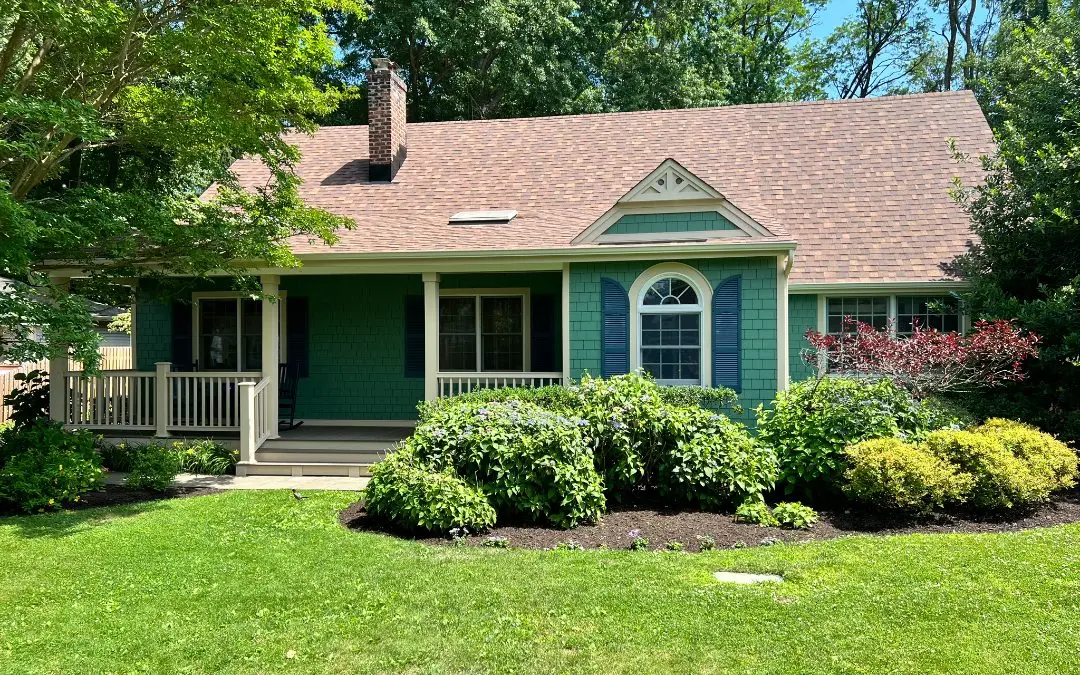
Home siding has played a crucial role in protecting homes from the elements and enhancing aesthetic appeal throughout history. From the simple hides used by early humans to the advanced materials we rely on today, siding has evolved significantly. Understanding the history of siding materials provides insight into how homeowners can make the best choice for their own home’s exterior.
Prehistoric and Ancient Homes
Historians believe that early humans primarily sought shelter in natural formations like caves, which served as some of the first “home siding.” As civilizations advanced, early humans began using animal hides to create portable homes, marking the beginning of man-made siding materials.
Ancient Egyptians developed mud bricks and covered their homes with stucco—a mixture of sand, lime, and water. This method was adopted by Ancient Greeks and Romans, who also used stucco for both homes and public buildings, setting the stage for exterior siding as a protective layer.
Medieval European Siding
In medieval Europe, wood became the most popular material for home siding. Oak and cedar were commonly used, but they were vulnerable to rot and insect damage due to a lack of protective treatments. To overcome these issues, builders began turning to more durable materials such as brick and stone, a trend that continued into the 19th century.
The Industrial Revolution and Modern Siding
During the Industrial Revolution (1760–1840), technological advancements introduced new materials for siding, including asbestos, which was known for its durability and insulation properties. Unfortunately, asbestos later proved to be a health hazard, and its use is now banned in many countries, including the United States.
The 20th century brought significant changes, with aluminum becoming a popular choice in the early 1900s due to its lightweight and low-maintenance qualities. By the 1950s, vinyl siding revolutionized the market, quickly becoming the most widely used siding material in the U.S. due to its affordability, durability, and versatility.
FAQs
What siding was used on older homes?
Older American homes commonly used wood clapboards or shingles, while twentieth century houses also used asphalt, asbestos cement, aluminum, and eventually vinyl. New Jersey homeowners with older properties may find multiple siding layers because newer materials were often installed over original wood siding.
When was vinyl siding first used on homes?
Vinyl siding entered the residential exterior market in the late 1950s and became increasingly popular as manufacturing improved during the following decades. It offered homeowners a lower maintenance alternative to wood and aluminum while providing more consistent colors, profiles, and weather resistance.
When did aluminum siding become popular?
Residential aluminum siding expanded rapidly after World War II. Alside reports that the first residential baked enamel aluminum siding was developed in 1947. Aluminum became a common alternative to painted wood before vinyl gained popularity because it required less routine maintenance and resisted rot.
When was asbestos siding used on houses?
Asbestos cement siding was widely installed on twentieth century homes because it was durable, fire resistant, and relatively inexpensive. New Jersey health guidance notes asbestos-containing siding and shingles have been used since around 1940, making them particularly relevant when renovating older New Jersey properties.
How can I tell if old siding contains asbestos?
Appearance alone cannot reliably confirm asbestos. Older cement shingles may raise suspicion, particularly on mid twentieth century homes, but identification should be based on professional inspection and laboratory analysis. Homeowners should avoid cutting, drilling, sanding, or breaking suspected material merely to examine it.
Is asbestos siding dangerous if it is left in place?
Intact asbestos cement siding generally presents less risk than materials that easily crumble because its fibers are tightly bound within cement. New Jersey does not require homeowners to remove asbestos siding simply because it exists. The primary concern arises when panels are cut, broken, drilled, or sanded.
Should original wood siding on an older home be replaced?
Not automatically. Historic preservation guidance generally favors repairing original wood siding when it remains serviceable because siding profiles, dimensions, trim, and craftsmanship contribute to architectural character. Replacement becomes more appropriate when deterioration is extensive or repair is impractical, particularly after moisture damage has been evaluated.
What type of siding lasts the longest today?
Lifespan varies considerably by material. Vinyl commonly lasts about 20 to 40 years, fiber cement around 30 to 50 years, and masonry products can last considerably longer. Installation quality, flashing, moisture control, maintenance, and New Jersey weather exposure strongly influence the actual service life.
Do historic homes in New Jersey have restrictions on siding replacement?
They can. Although conventional siding replacement on many one- and two-family New Jersey homes generally does not require a construction permit, properties within locally designated historic districts may require Historic Preservation Commission review or a Certificate of Appropriateness before exterior siding changes begin.
Home Siding Today
Today, homeowners have a wide variety of siding materials to choose from, including fiber cement, which combines wood pulp, cement, and sand for exceptional durability. Vinyl remains a popular choice, while steel, wood shingles, and stone veneer are also available for homeowners seeking specific aesthetic or performance benefits.
While selecting the right siding contractor in New Jersey or the type of siding for your home, consider factors like climate, budget, and aesthetic preferences. In addition to protection and insulation, siding can enhance curb appeal and increase property value.
When you’re writing the history of your home, what siding will you use? Make sure to hire a trustworthy contractor with proven experience. For central New Jersey residents, there’s no better choice than Home Makeover, LLC. We’ve served the area for decades and have valuable knowledge about the siding industry. We’re happy to make your home more efficient and beautiful with excellent siding.

About the Author: Jeffrey W. Nero
Jeffrey W. Nero is a home improvement expert with over 20 years of experience serving homeowners in New Jersey. As the owner of Home Makeover™, Jeff combines quality craftsmanship with a deep understanding of local needs. From roofing and siding to deck remodels, Jeff has helped thousands of homeowners bring their visions to life. His commitment to excellence and customer satisfaction makes him a trusted partner in transforming homes across Central NJ.